Plush Farm Animals Worth Gifting (and Keeping Forever)
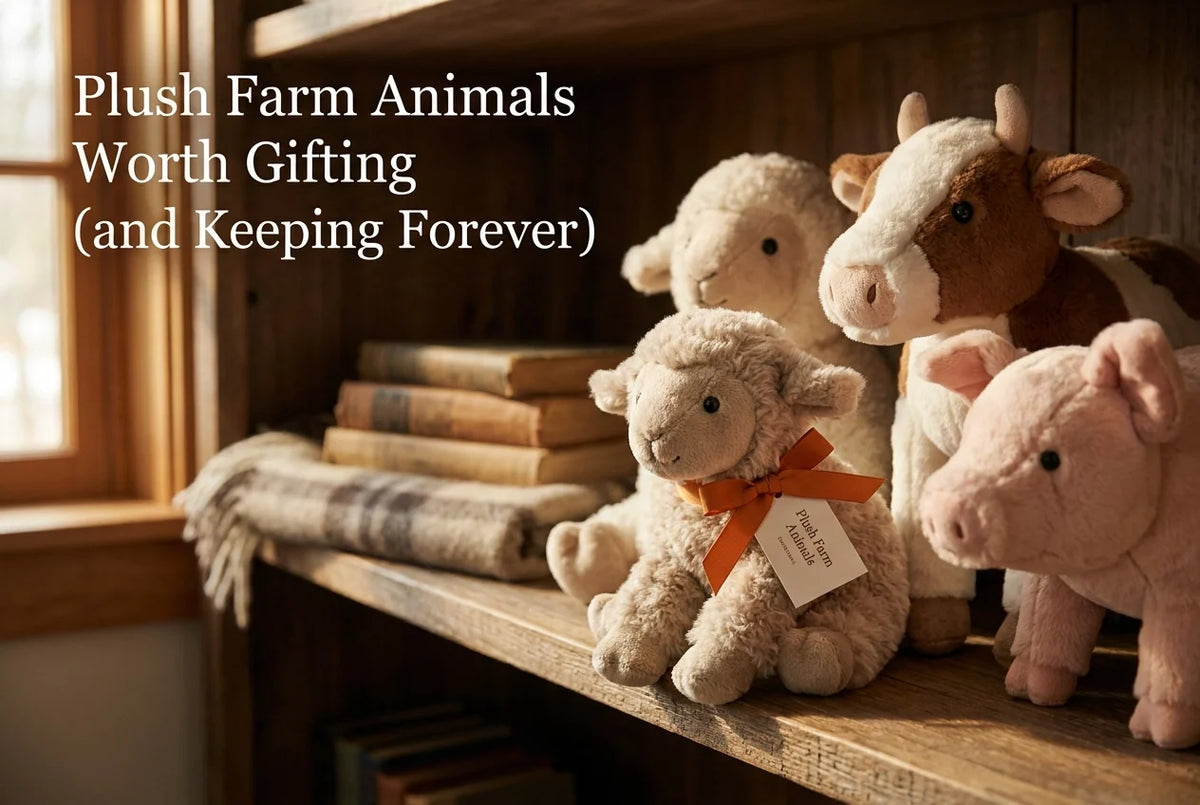
There is something about a soft, squishy farm animal that just makes people smile. Whether you are shopping for a brand-new baby, a curious toddler, or honestly just treating yourself, a plush farm animal has a way of becoming an instant favourite. And it turns out you are not alone in that feeling. The stuffed toy market has grown substantially in recent years and shows no sign of slowing down.
But with so many options out there, how do you know which ones are actually worth buying? That is exactly what this guide is here to help you figure out. We will walk you through the most beloved farm animal styles, from classic cows and cuddly lambs to surprisingly charming plush pigs and chickens. You will also get practical advice on choosing the right toy for different age groups, deciding between realistic and cartoon-style designs, and finding something that will genuinely hold up over time. By the end, you will know exactly what to look for and feel confident picking a plush farm animal you will want to gift, or maybe keep for yourself.
What Makes a Great Plush Farm Animal
Not all plush farm animals are created equal, and knowing what to look for makes the difference between a toy that lasts a week and one that gets passed down a generation.
Realism vs. cartoon style is the first fork in the road. Lifelike proportions, textured fabrics, and true-to-life colouring hold a child's attention longer and mean far more to a collector than a wide-eyed, oversized-head design.
Material quality is easy to read once you know the signals. Look for dense plush pile that springs back when compressed, embroidered facial features rather than plastic safety eyes (embroidery has no detachment risk), and a body with enough weight to feel substantial in small hands, mimicking how a real animal feels to hold.
Age group changes what matters most. For babies and toddlers (0 to 3 years), lifelike companion plush toys should be surface-washable with no loose parts, meeting Australian mandatory toy safety standards. Children aged 6 to 12 are the market's fastest-growing segment and respond to finer design detail that younger children simply won't notice yet.
Farm animals carry a particular emotional weight. Rural nostalgia, early learning about where food comes from, and a timeless aesthetic combine to make them genuinely heirloom-worthy gifts rather than throwaway toys.
Australian-designed plush, like Bocchetta's range developed since 1948, takes a fundamentally different approach from mass-market character toys. The focus is anatomical accuracy and craft, not trend-driven styling, which is precisely why these toys outlast seasonal fads.
Plush Cow: The Classic That Never Goes Out of Style
Of all farm animals, the cow is probably the first a toddler can name. That recognition explains why it remains one of the most consistently popular plush farm animal picks, and why gift-givers return to it. There's genuine nostalgia in a plush cow: it connects adults to a rural world and gives children something familiar to hold.
When shopping, look for features that separate a well-made cow plush from a forgettable one:
Accurate patterning: Classic black-and-white Holstein markings or warm brown tones read immediately as "cow," reinforcing recognition during early learning.
Floppy, soft ears: Stiff ears suggest lower-quality construction; look for ears with a natural drape.
Plush body with some weight: A substantial feel in small hands means more use. Very lightweight stuffing feels cheap and collapses quickly with regular play.
Plush cows are suitable for babies and toddlers -- check the age guidance label on the specific product -- and remain appealing well into the preschool years.
Bocchetta's plush cow range is worth a close look. Painted and embroidered facial details give these cows a calm, lifelike expression that contrasts clearly with the wide-eyed cartoon faces dominating most toy ranges. That realism matters to parents who want something beautiful in the nursery and to children who respond to animals that look real.
A plush cow works well as a first birthday present, a nursery decoration, or the starting point for a farm animal collection. If you're considering soft toys beyond the farm, Bocchetta's bear collection shows the same commitment to lifelike craftsmanship across other animal families.
Plush Sheep and Lamb: Soft, Tactile, and Endlessly Cuddly
If the plush cow is a nursery classic, sheep and lamb toys earn their place through something entirely different: texture.
Run your hand across a quality sheep plush and you'll immediately understand the appeal. Curly, looped, or shaggy pile fabrics mimic real wool fleece in a way no other farm animal can replicate. That tactile richness makes sheep and lamb plush toys genuinely stand out in the farm animal category, especially for children who explore the world through touch.
Lambs in particular are a strong choice for babies and toddlers. Their naturally rounded, compact form is gentle on small hands, and the soft texture supports the sensory exploration that matters most in the 0 to 3 age range. There are no sharp angles, no hard features, just squishable softness from every angle.
Design details separate a quality lamb from a forgettable one. Look for realistic ear placement (not oversized cartoon flaps), delicate leg proportions, and natural coloring in cream, taupe, or warm brown. These small details make the toy feel like a real lamb rather than a stuffed novelty.
Bocchetta's sheep and lamb designs reflect this lifelike approach well. These are the kinds of toys that prompt a child to ask genuine questions: where does wool come from, and what does a sheep actually do on a farm? That curiosity is worth something.
On the sustainability front, it is worth checking whether a plush sheep uses responsibly sourced fibres or low-chemical dyes, much like thoughtful buyers do when exploring carefully made animal plush collections across different species.
Plush Pig: More Personality Than You Might Expect
If sheep plush wins on texture, pig plush wins on character. Pigs are something of a sleeper hit in the farm animal category: their naturally rounded bodies, expressive disc snouts, and those distinctive curly tails give them a personality that needs zero cartoon exaggeration to land.
That contrast matters when you're choosing between a lifelike piglet and a stylised round-headed cartoon pig. A realistic design, with a properly proportioned snout, floppy forward-set ears, and soft pink colouring, actually holds up better in imaginative play. Research on toy preferences in 3-to-4-year-olds found that children this age consistently favour realistic, detailed toys over simplified alternatives, suggesting a lifelike piglet earns its place on the toy shelf on merit.
That age-three-and-up sweet spot is worth noting for buyers. This is when farm play scenarios really start to develop: children begin casting animals in roles, building story sequences, and noticing details. A plush pig with accurate anatomy gives them more to work with than a balloon-shaped novelty.
For materials, look for smooth to semi-textured short pile fabric in a warm pink tone. It should feel soft and slightly yielding, never plasticky or stiff. The tactile quality is what keeps kids coming back to a toy.
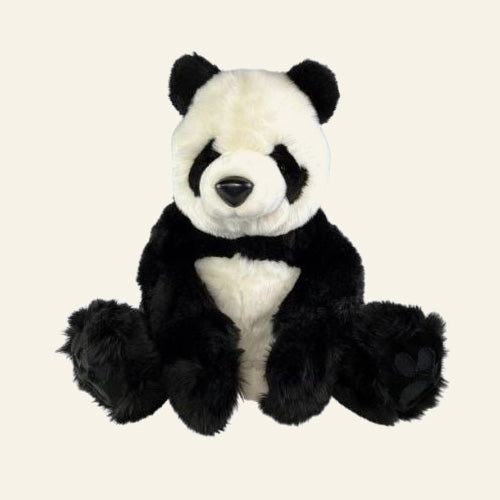
Gifting tip: a lifelike plush piglet pairs beautifully with a small farm playset or a picture book about farm life. It is the kind of multi-piece gift that feels considered. If you enjoy lifelike animal designs broadly, Bocchetta's panda collection shows the same commitment to realistic detail applied to a very different animal.
Plush Horse and Foal: A Favourite for Animal-Loving Kids
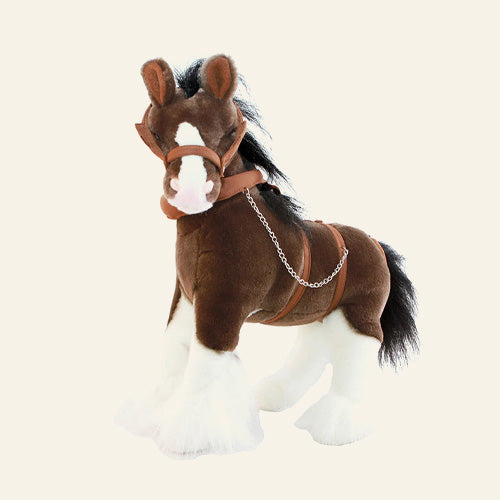
If pigs are the surprise hit of the farm animal range, horses are the consistent crowd favourite. Few animals capture a child's imagination quite like a horse, and a well-made plush version amplifies that connection considerably. Lifelike proportions make all the difference here -- a flowing mane and natural stance feel genuinely special.
Coat colouring is another area where quality shows. Look for realistic options such as chestnut, bay, grey, or dapple rather than a flat single-tone fabric. These details reward the children who actually notice them, and plenty do.
Foals deserve a mention of their own. A foal design sits alongside the full-sized horse as a distinct, collectible option rather than just a smaller copy. The slightly spindly legs and softer, lighter colouring give a foal plush its own character. If you are building a farm animal collection, a matching horse and foal pair is one of the more compelling combinations in the category. Bocchetta's horse plush reflects an Australian design approach that prioritises natural, proportionate animal forms over the oversized heads common in mass-market toys. If your household already includes Bocchetta's lifelike dinosaurs collection, you will recognise that same commitment to realistic scale and detail.
Age suitability runs from around 3 to 12 years, making the horse plush one of the longest-spanning options in the entire farm animal category. It transitions naturally from imaginative play to a treasured keepsake.
Plush Chicken and Rooster: The Underrated Farm Yard Stars
Horses get most of the glory, but chickens and roosters deserve a proper spot in any farm animal plush collection. They're genuinely underrated, and here's the thing: they're also one of the hardest farm birds to get right in plush form.
Vivid plumage, a glossy comb, and those distinctive wattles don't translate well in flat, single-fabric construction. Mass-market versions tend to flatten all that detail into something generic. Quality makers treat each element separately.
What to Look For
When you're assessing a chicken or rooster plush, check for:

Wattle and comb construction that's sculpted and firm, not just printed on
Layered feather-texture fabric across the body, ideally with directional pile that mimics real plumage
Breed-accurate colouring, such as the deep red-brown of a Rhode Island Red or the clean white of a White Leghorn
Hen and Chick Sets
A hen paired with one or two small chicks is a particularly sweet gift option. Chick plush toys are compact, soft, and well-suited to children aged three and up. They're affordable, easy to pack, and add real charm alongside a larger hen or rooster.
Bocchetta's Approach
Bocchetta's approach to bird plush prioritises lifelike finish -- detailed beak and eye features and layered fabric textures give their birds a naturalistic quality that flat alternatives lack. If you enjoy their approach to bird design, their Australian emu plush collection shows the same commitment applied to native birds.
Educational Value
For urban families especially, a plush chicken opens up natural conversations about eggs, daily farm routines, and where food actually comes from. Simple, tactile, and genuinely useful for curious kids.

Choosing Plush Farm Animals by Age Group
Now that you've seen all the individual animals, the question shifts to matching the right plush to the right recipient.
0 to 3 Years
The same safety basics apply: surface-washable, embroidered eyes, no loose parts. Lambs, cows, and pigs are ideal at this stage; their simple silhouettes are easy to grip and impossible to mix up.
3 to 6 Years
Imaginative play kicks in here. Rather than one large plush, a small set of two or three different farm animals gives kids the cast they need to run their own farmyard stories. Horses, chickens, and sheep complement the cows and pigs from the earlier years and add genuine variety to the mix.
6 to 12 Years
This is the fastest-growing segment in the plush market, and it responds to real detail. Breed-accurate cattle, lifelike pig designs, and detailed horses hold attention precisely because older kids actually notice the difference between a well-crafted animal and a generic one. Collector-grade realism earns its keep here.
Gift-Givers and Adult Collectors
Heritage matters to adult buyers. Bocchetta has been designing plush animals since 1948, which carries quiet credibility for anyone who values craft and provenance over whatever character toy is trending this season. If you enjoy exploring other lifelike designs beyond the farmyard, Bocchetta's wild animal collection applies the same level of detail.
The simplest gifting rule: match design complexity to the recipient's age. More detail rewards older children who will genuinely appreciate it.
Lifelike Realism vs. Cartoon Style: Which Should You Choose
Once you've matched the right animal to the right age, there's still one more question worth asking: should you go lifelike or cartoon-style?
Walk into any toy shop in Australia right now and the shelves are dominated by cartoon plush. Oversized heads, simplified button features, and colours that don't exist anywhere in nature. That aesthetic isn't going anywhere soon, and for very young babies under 12 months, it actually makes sense. High-contrast patterns and bold colours -- regardless of whether the design is realistic or stylised -- are much easier for developing eyes to focus on, which is why simplified designs often appear in the very-young range.
From around 12 months onward, children increasingly respond to the specific animal in front of them -- a plush that looks like a real cow, pig, or lamb reinforces that connection.
There's also the longevity argument. Lifelike plush toys are frequently revisited in later childhood and are often the pieces collectors seek out first. For a gift-giver thinking beyond the next birthday, that's real long-term value.
Bocchetta has occupied this space since 1948, sitting in a genuinely under-served gap between the mass-market cartoon toy and the expensive artist collectible. The same commitment to lifelike craftsmanship you see in their farm animals runs across the entire range, including their realistic lizard and reptile plush collection, which shows how far that design philosophy extends.
Finding the Farm Animal Plush That Lasts a Lifetime
Once you've worked through the realism question, keep age group, material safety, design style, and occasion (everyday play versus heirloom gift) in view as your decision filters.
The farm animal category genuinely rewards that care. A well-made lamb, cow, or horse plush isn't just a toy with a shelf life; it's the kind of thing that survives the toddler years, moves to a bedroom shelf, and eventually means something.
For a strong starting point, Bocchetta's farm animal range is worth exploring. Designed in Australia with a heritage going back to 1948, the collection prioritises lifelike proportions and quality materials over trend-chasing, making it a practical first stop whether you're buying for a child, gifting an enthusiast, or building a collection.
Practically, here's what to do next:
Browse by animal type to find the specific species that connects, whether that's a plush pig, a Clydesdale horse, or a woolly lamb.
Before buying for children under three, check the age guidance label carefully; it reflects real safety testing, not just a suggestion.
The right plush farm animal is out there; it just takes a moment to choose with intention.
Conclusion
Farm animal plush toys offer more than simple play value. The right one becomes a childhood companion, a shelf-worthy keepsake, and a gift that genuinely lasts.
The farm category rewards intentional choosing. The individual sections above each signal the same thing: the animals, ages, and occasions that matter most to you are the real filter. That longevity is what makes the research worthwhile.
Ready to find yours? Start by identifying the animal species that resonates, then filter by age group and design style. Bocchetta's farm animal collection is a strong place to begin. Choose with care and you won't just be buying a toy; you'll be giving something worth keeping forever.