What Makes a Great Plush Kangaroo? 7 Things to Know Before You Buy
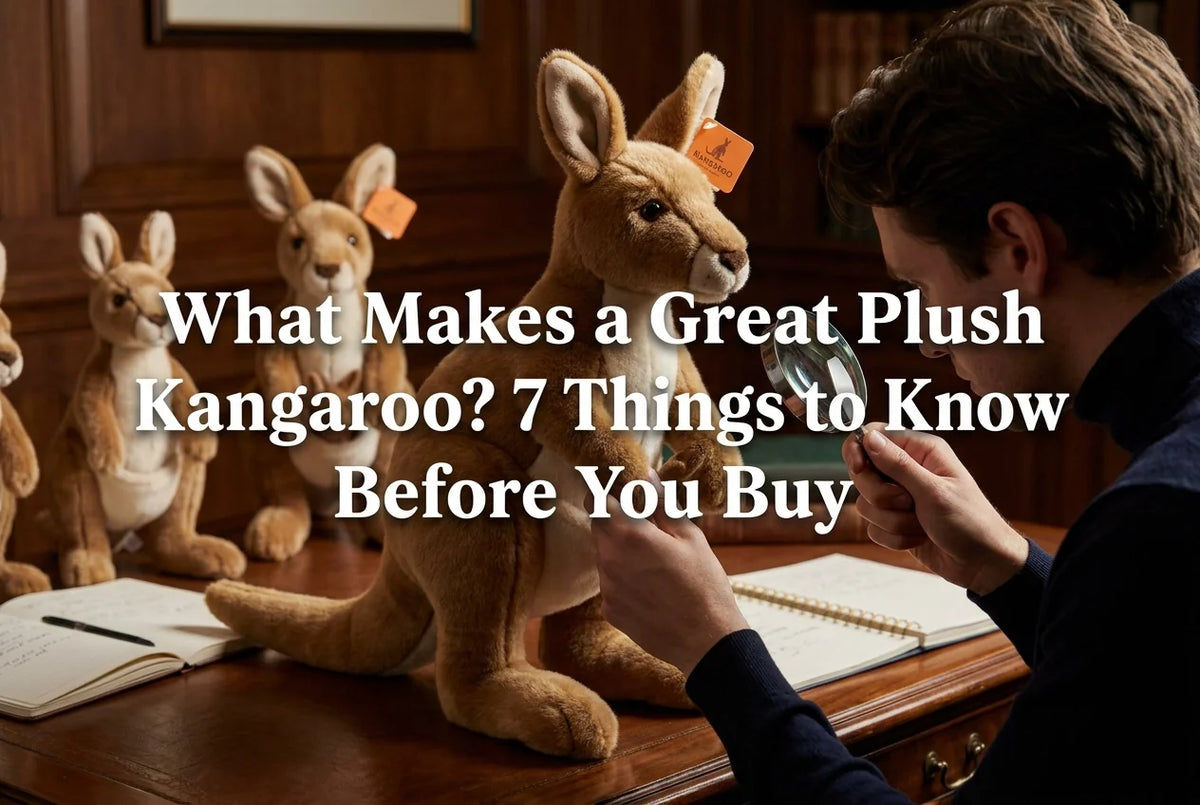
So you've decided you want a plush kangaroo. Maybe you spotted one online, maybe a friend has one you couldn't stop touching, or maybe you've just always had a soft spot for Australia's most iconic animal. Whatever brought you here, you're probably realizing pretty quickly that not all plush kangaroos are created equal.
The difference between a forgettable stuffed animal and a plush kangaroo you'll genuinely treasure comes down to a handful of specific things. And if you're new to shopping for premium plush toys, knowing what those things are before you spend your money can save you a lot of disappointment.
In this guide, we're breaking down the seven most important factors to consider before you buy. From how lifelike the design actually looks to the fabric quality, durability, brand heritage, and even who the toy is really made for, you'll walk away knowing exactly what separates a great plush kangaroo from one that ends up forgotten on a shelf. Let's get into it.
1. Lifelike Accuracy That Actually Looks Like a Kangaroo
Pick up a mass-market plush kangaroo and the proportions are usually a giveaway: oversized cartoon head, stubby hind legs, a tail that barely registers. It looks more like a branded mascot than an actual kangaroo. That gap between "cute" and "convincing" is exactly where quality separates itself.
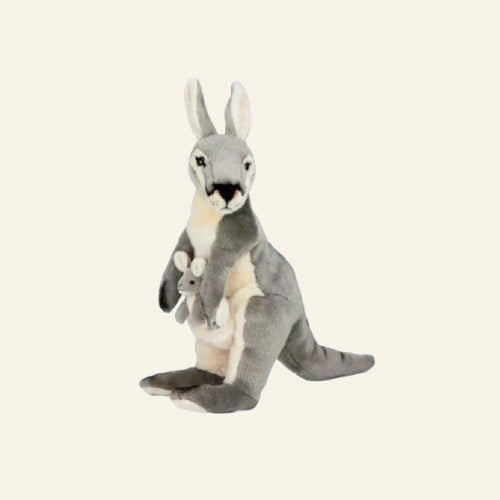
Real kangaroos have a specific silhouette. Their strongly developed hindquarters and long hind limbs are fundamental to the species, and their tail is genuinely powerful, functioning almost like a fifth propulsive limb during movement. Add a deep chest pouch and prominent upright ears on a comparatively small, deer-like head, and you have an animal with a distinctive shape. A high-quality plush captures all of that. A cheap one flattens it into something generic.
This matters far more to adult collectors and animal enthusiasts than to a two-year-old who just wants something soft to carry around. For anyone buying a plush kangaroo as a collectible or a species-accurate gift, anatomical credibility is the first filter.
Bocchetta's kangaroos are designed in Australia, and that proximity to the subject shows in the attention to species-specific detail, putting the range in a different category from generic stuffed animals in discount bins. Their potoroo collection shows the same commitment to lifelike accuracy across native Australian species.
2. Fabric Quality and Texture That Feels Premium
Once you've confirmed the shape looks right, the next thing to assess is what the kangaroo is actually made of.
Fabric is what separates a plush that stays looking sharp for years from one that loses its appeal within months. High-pile or tipped fur fabrics, where individual fibres have a darker tip grading to a lighter base, offer a more layered, naturalistic appearance than flat, uniform polyester.
Lower-density fabrics can compress with repeated handling, worth examining pile spring-back before you buy. For collectors especially, this is a significant consideration; a piece that looks tired after light use simply won't hold its value or display appeal.
Ultra-soft does not mean high quality. This is a trap worth knowing about. Extremely fluffy plush often lacks the fibre density needed to hold a defined shape, so the toy ends up looking soft but formless, more cloud than kangaroo. Premium fabric balances softness with enough structural integrity to keep features crisp.
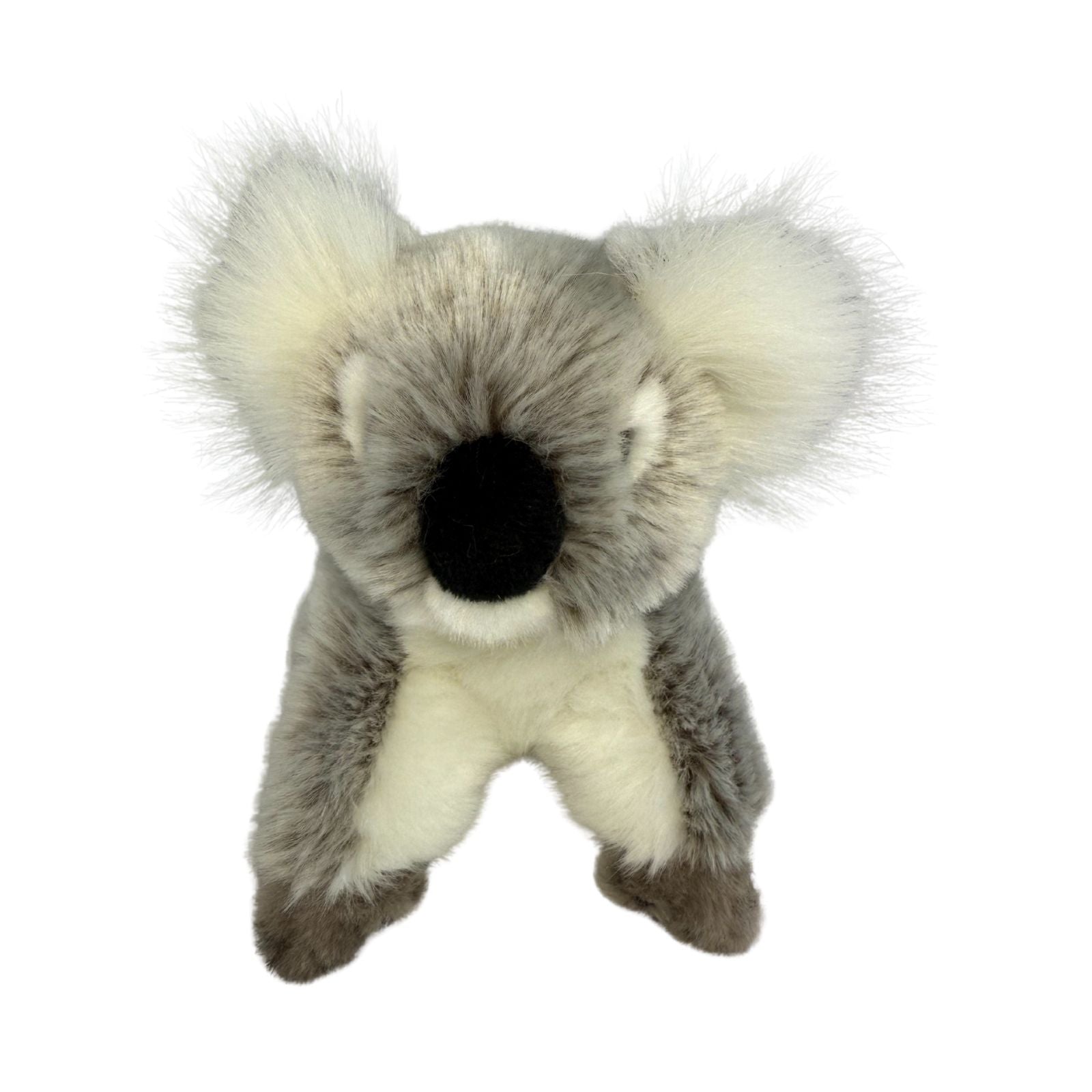
The colour dimension matters too. Real kangaroos carry multi-tonal coats, shifting between grey-brown tones across the body. Quality plush kangaroos, much like Bocchetta's hand-crafted cockatoo plush, use carefully selected multi-tonal fabrics to achieve that same graduated depth.
A simple hands-on test: run your fingers against the pile direction. Quality plush springs back and holds its position. If it stays flat and dull, the fabric density isn't there.
3. Construction and Durability Built to Last
Good fabric gets you so far, but it's how a plush kangaroo is put together that determines whether it holds up over years of handling.
Seams first. Reinforced stitching is the difference between a toy that stays intact and one that splits at stress points after a few months. This matters whether it's a child picking it up a hundred times a week or a collector repositioning it on a shelf.
Eyes and noses are a known failure point. Glued components detach over time, and a 2025 CPSC recall of approximately 64,000 plush alpaca toys was triggered by exactly this issue, with detached eye parts posing a choking hazard to young children. Premium plush kangaroos use safety-locked or hand-embroidered features instead, which are far more durable and far safer.
Internal structure makes a real difference to posture. Wire armatures in poseable limbs let a kangaroo hold a natural stance rather than slumping. Weighted bases serve the same purpose for display pieces. Both are finishing details you will not find in budget alternatives, but they are what make a plush look like it belongs on a shelf rather than buried in a toy box. Bocchetta's broader range, including their lifelike dingo collection, shows how internal construction contributes to that lifelike quality across species.
Check the stuffing. Run your hands along the body and limbs. Lumps or flat spots indicate uneven fill that will worsen over time as the stuffing migrates toward the extremities.
Heritage brands typically document and revisit quality standards across production runs, worth asking about when comparing options.
4. Australian Design Heritage and What It Actually Means

Beyond construction quality, where a plush kangaroo was designed carries real weight in the collectibles market.
That design origin carries genuine weight. Provenance matters. A plush with a real story, a specific place of origin, and a documented heritage holds more perceived value over time than an anonymous product that could have come from anywhere.
Bocchetta Plush Toys has been designing lifelike Australian animals since 1948. That's a track record placing it in a completely different category from brands that launched in the last decade. For collectors, that history isn't just interesting background; it's evidence of sustained commitment to the craft.
This matters more now than it used to. Spielwarenmesse's 2026 ToyTrends identifies "Toys for Kidults" as a major emerging category, with adult collectors driving demand for premium, considered products.
Australian design heritage also signals something practical: alignment with local creative industries and a level of accountability that large, anonymous offshore manufacturers simply can't offer. When a brand has a name, a history, and a home, there's someone to answer for the product.
5. Size Options and a Range That Grows With You

Heritage and story matter, but so does finding a size that actually works for where you're displaying it or who you're buying it for.
Plush kangaroos span a surprisingly wide range, from palm-sized miniatures that sit comfortably on a desk or bookshelf to large floor-standing pieces that anchor a nursery or collector's display. That range matters. A brand offering multiple sizes signals genuine investment in a product line rather than a single mass-produced run.
Size affects how you use the piece. A smaller kangaroo fits neatly on a shelf or inside a gift bag; a larger one becomes a statement in a child's bedroom or a focal point in a curated display. Before buying, think about the space: a crowded bookshelf calls for something compact, while an empty corner in a playroom can carry something more substantial.
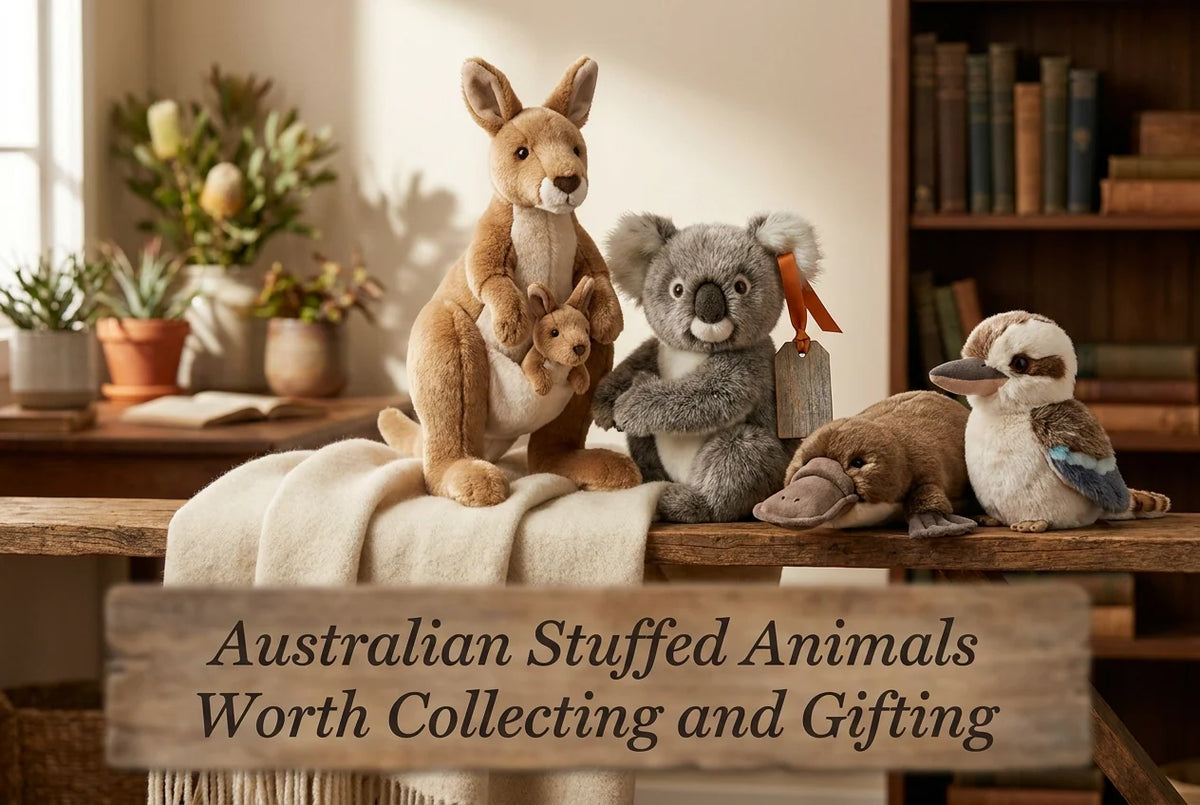
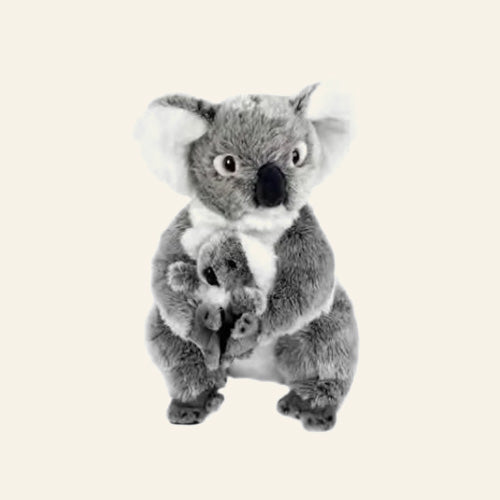
Size also shapes giftability. Compact plush kangaroos, especially those with a joey in the pouch, are a natural fit as Australian-themed gifts, given how immediately the design communicates the species. The joey-in-pouch design captures one of the most recognisable and genuinely unique behaviours of the species, making it an instantly meaningful choice rather than a generic souvenir.
A brand with a strong size range also lets you build a collection over time. Start with a smaller piece, then add a larger display-quality kangaroo as your collection grows.
Browse Bocchetta's full kangaroo range to compare available sizes and find the joey-in-pouch variants that suit your display or gifting needs.
6. Sustainability and Ethical Production Worth Asking About
Once you've settled on the right size, it's worth asking one more question before you buy: where did this come from, and how was it made?
Spielwarenmesse, the world's largest toy trade fair, has flagged sustainability-focused collections as a growing consumer priority for 2025-2026. That shift matters, because it means more shoppers are thinking beyond the product itself.
The problem is transparency. Many high-volume plush manufacturers say very little about their materials, labour practices, or supply chains. If a brand can't tell you where the product was designed, who made it, or what's inside it, that's a gap worth noticing.
The same accountability that underpins design quality applies to production practices. Brands with a public history and name have reputational skin in the game, they're easier to hold accountable than anonymous importers.
This matters even more when the product in question is a wildlife-themed plush kangaroo. If you're buying it as an educational gift for a child or as a tribute to an animal you genuinely care about, it makes sense to want the product to reflect those values. A kangaroo plush celebrating Australian wildlife sits a little awkwardly if the brand behind it can't account for how it was made.
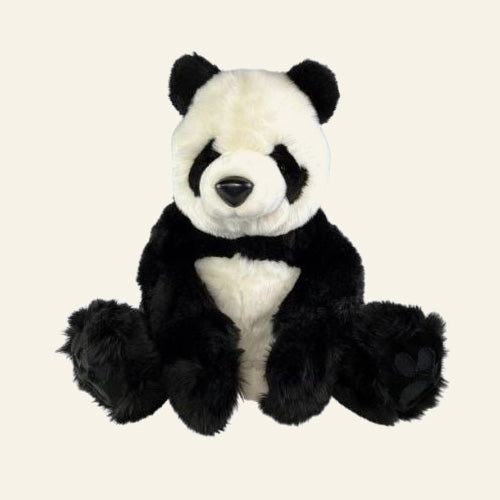
When you're comparing options, ask three straightforward questions: Where was it designed? Who makes it? What materials are used? Heritage brands, including those with a broad range like Bocchetta's lifelike plush bears and animals, are generally far better placed to answer those questions than a generic importer with no public story.
7. Knowing Who the Plush Kangaroo Is Actually For
Sustainability tells you a lot about a brand's values. Knowing your audience tells you whether a product is even the right fit in the first place.
A plush kangaroo is not a one-size-fits-all purchase. The person buying it shapes what "good" actually looks like.
Adult buyers ("kidults") are now a recognised market segment. The global toy industry saw 7% sales growth in 2025 (Toy Association), with adult buyers, sometimes called "kidults", increasingly recognised as a distinct market segment. Adults buying plush for themselves prioritise craftsmanship, story, and display quality over playability.
Children aged 3 and up engage with plush kangaroos differently. A joey-in-pouch design prompts genuine questions: what's that called, where does it live, why does it have a pouch? That natural curiosity makes a well-made plush kangaroo a low-effort educational tool, not just a soft toy.
For collectors, design heritage (covered in section 4) remains a primary filter, here the focus is on matching the right product to the right person.
International gift buyers want cultural authenticity above all else. A plush kangaroo works as an Australian souvenir because it carries a story. Generic alternatives from discount shelves do not carry that same weight.
Content creators and influencers in wildlife education, toy photography, and lifestyle content are an emerging audience worth noting. Visual realism and tactile quality translate directly into better content. You can browse Bocchetta's full range of Australian animals to see how lifelike accuracy looks across the whole collection.
Knowing which category you fall into makes every other buying decision considerably easier.
Finding the Right Plush Kangaroo Starts With Knowing What to Look For
Once you know who you're buying for, the next step is applying what you've learned.
The seven criteria covered in this guide, lifelike accuracy, fabric quality, construction durability, Australian design heritage, size range, sustainability, and audience fit, give you a practical framework for comparing any plush kangaroo you come across. Use them as a checklist rather than treating price as your default filter. A cheaper option that fails on three or four of these points isn't actually a better deal.
The bigger picture is this: what separates a premium plush kangaroo from a generic stuffed animal isn't luck. It's the decisions a brand makes around design, materials, and manufacturing long before the product reaches the shelf. Those decisions are visible in the finished product if you know what to look for.
Bocchetta Plush Toys brings these criteria together in a real product line, with Australian design heritage, multiple sizes, joey-in-pouch variants, and species accuracy developed across decades of designing native Australian animals.
If you're not sure where to start, a plush kangaroo with joey is one of the most giftable and collectible options in the range. It captures one of Australia's most iconic wildlife moments in a format that works for children, collectors, and gift buyers alike.
Browse the Bocchetta kangaroo range, compare sizes against your display space or recipient's age, and let these seven criteria guide your decision.
Conclusion
A great plush kangaroo is never an accident. It comes down to the choices made at every stage of design and production, and now you have the tools to spot the difference.
A well-chosen plush kangaroo becomes something that lasts, whether it lives on a shelf, in a child's arms, or inside a gift box.
Browse the Bocchetta range today, apply your new checklist, and find the kangaroo that genuinely earns its place.