What to Know Before Buying a Weighted Plush Animal

There's something undeniably comforting about hugging a soft, squishy plush animal. But what if that same toy could also help calm your nerves, ease anxiety, or simply make bedtime feel a little more peaceful? That's exactly the idea behind a weighted plush animal, and more people than ever are discovering just how much of a difference one can make.
In fact, the global plush toy market is booming, valued at nearly $20 billion in 2024 and growing fast. Clearly, these aren't just toys anymore. They've become genuine tools for comfort and emotional well-being, for kids and adults alike.
But before you click "add to cart," there are a few things worth knowing. From understanding how they actually work to figuring out the right weight, materials, and design for your needs, a little research goes a long way. This guide walks you through everything in simple, straightforward terms. No confusing jargon, no overwhelming detail, just honest, practical information to help you find the perfect weighted plush animal with confidence.
What Exactly Is a Weighted Plush Animal?
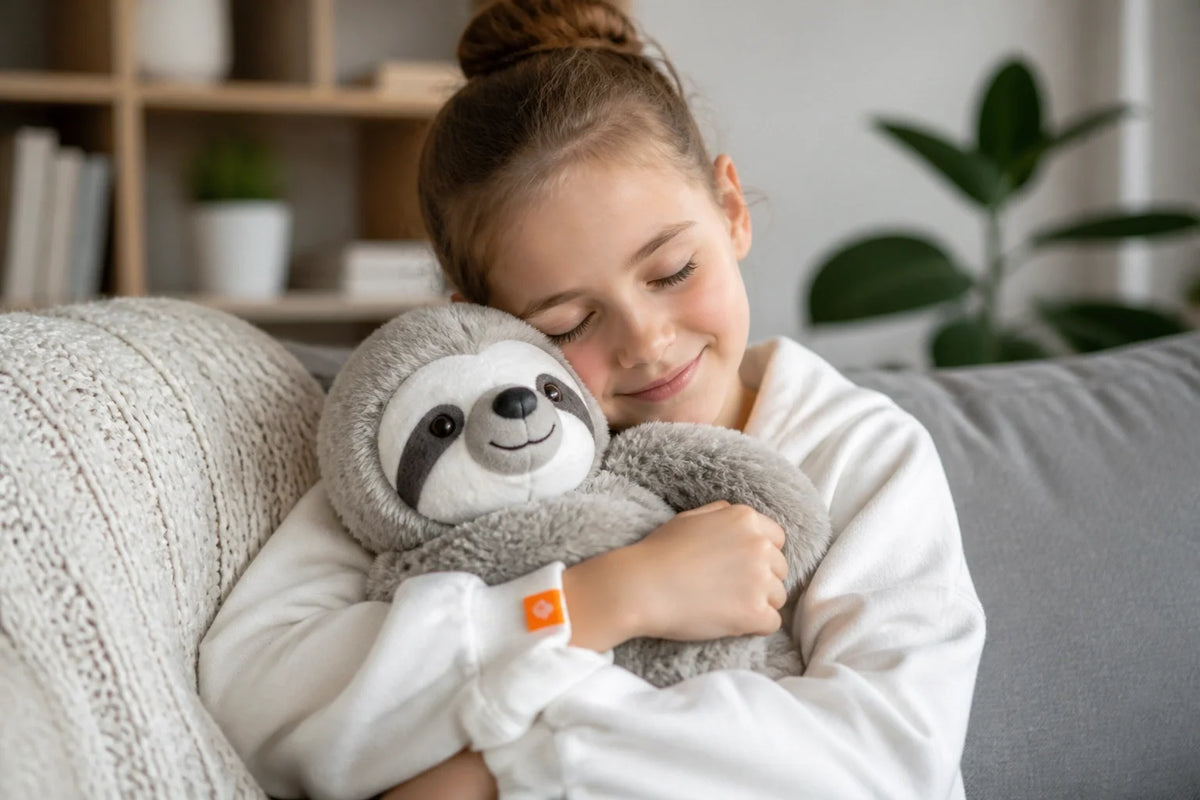
A weighted plush animal looks like an ordinary stuffed toy at first glance, but there's something noticeably different the moment you pick one up. Instead of the usual light, airy filling, it carries a gentle, satisfying weight created by evenly distributed weighted materials inside.
That extra weight is the whole point. Standard stuffed toys are designed purely for play or display. Weighted plush animals are constructed with a specific purpose: to deliver deep pressure stimulation (DPS), a gentle, consistent pressure against the body that can signal safety to the nervous system and support emotional calm.
The appeal stretches well beyond any single age group. Children with sensory processing needs, adults managing everyday anxiety, and collectors seeking lifelike companion plush toys with genuine craftsmanship are all drawn to weighted plush for different but equally valid reasons.
That growth, from $19.44 billion in 2024 toward $33.71 billion by 2035, confirms plush animals have become genuine comfort tools for all ages, not just childhood novelties.

The Real Comfort Benefits (Backed by How They Work)
So how does a bit of extra weight actually do anything useful? It comes down to a mechanism called deep pressure stimulation.
When gentle, consistent pressure is applied to the body, it nudges the autonomic nervous system toward its calmer setting. The parasympathetic nervous system takes over, cortisol levels drop, and heart rate slows. Research into deep pressure therapy confirms it's a genuinely promising approach for anxiety relief, with measurable physiological changes across study participants. A controlled study also found measurable reductions in pulse rate and high participant-reported comfort with the pressure experience.
Beyond anxiety, deep pressure is commonly explored for sensory processing support, emotional regulation, and sleep improvement in both children and adults. That said, the research also notes that benefits aren't universal and individual responses vary.
Where weighted plush animals stand apart from weighted blankets or lap pads is the emotional layer. A soft, lifelike animal companion brings nostalgia, warmth, and a sense of companionship alongside the physical comfort. Those aren't incidental extras; emotional connection and psychological comfort are documented drivers of the broader plush toy market's growth.
One important note: weighted plush animals are not medical devices. For clinical sensory needs, always talk to a healthcare professional or occupational therapist first. For everyday comfort, though, the benefits are genuinely real.
Who Are Weighted Plush Animals Actually For?

So who actually benefits from a weighted plush animal? More people than you might expect.
There are four main audiences worth knowing about:
Young children (roughly 3 and up): sensory play, emotional development, and learning to self-soothe
School-age kids: comfort support during homework, big feelings, or transitions
Adults managing anxiety or stress: everyday calm without clinical equipment
Collectors: adults who value lifelike craftsmanship and premium materials, particularly animals with cultural significance
That last group is growing. Adult ownership of plush toys is increasingly normalised, with the market expanding well beyond childhood.
A quick safety note for children: occupational therapists' standard guidance on weighted products applies here, see the weight section below for detail.
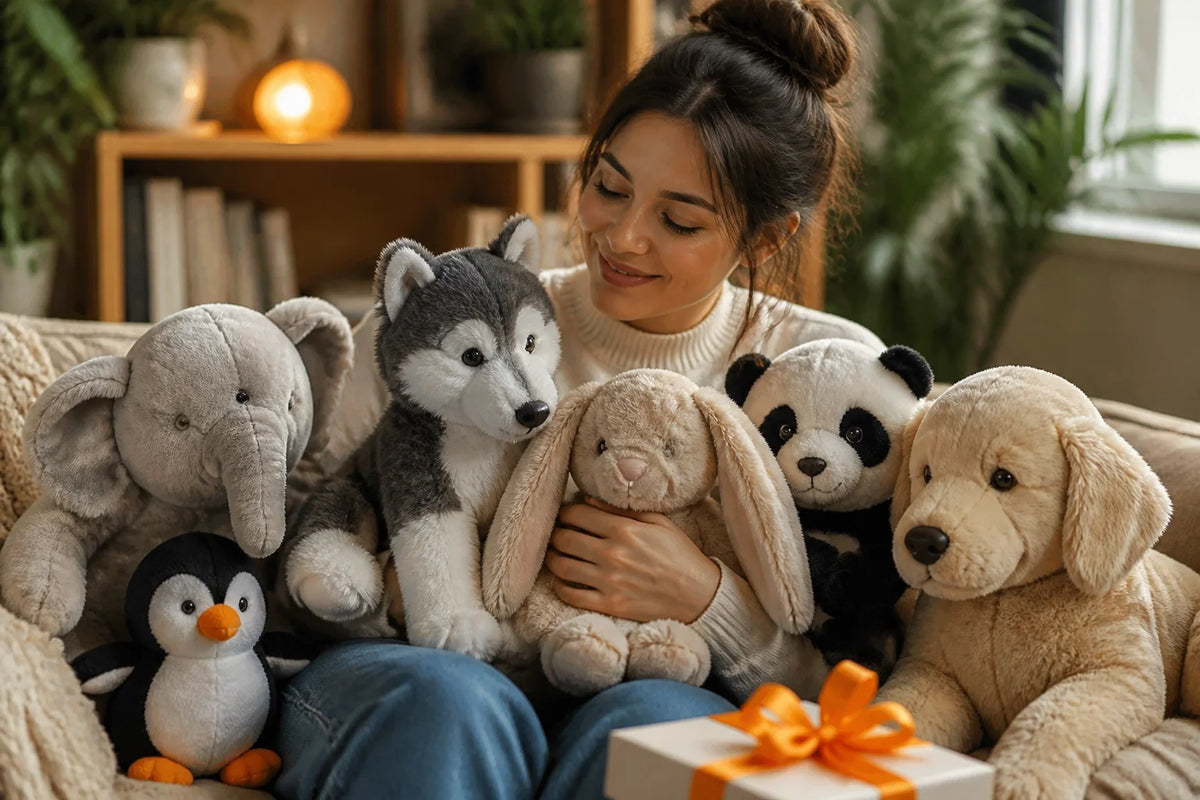
Weighted plush animals also make genuinely thoughtful gifts for people recovering from illness, navigating grief, or dealing with chronic stress. The comfort is immediate and the gesture feels personal.
For collectors, the appeal is distinct. Lifelike elephant plush toys are a good example of the kind of species-accurate, premium design that adult enthusiasts actively seek out, and this audience remains largely underserved in the wider market.
How Heavy Should a Weighted Plush Animal Be?
Once you know who the toy is for, the next question is how much it should weigh.
Weighted plush animals come in a range of sizes and weights, from compact desk companions to larger lap-sized animals.
A useful starting point for children is the 10% body weight guideline, commonly referenced by occupational therapists for weighted products. So a child weighing 20 kg would suit a plush weighing around 2 kg. This helps ensure the weight feels comforting rather than restrictive.
Size and weight work together, too. A larger plush can spread pressure more evenly across the lap or body, which suits bedtime or lounge use. Smaller weighted animals are better for hand-holding, travel, or sitting on a desk as a calm-down companion. Think about where and how the plush will actually be used before deciding on dimensions.
For children under three, weighted toys require close adult supervision at all times, and size should always be age-appropriate. A plush that's too large or heavy for a very young child poses a safety risk, so err firmly on the side of caution.
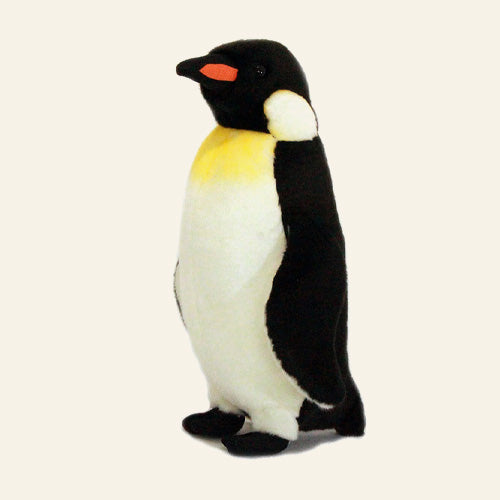
Bocchetta's range includes animals in various sizes, from compact penguins in the weighted plush penguin collection to larger iconic Australian animals, making it easier to match size to intended use.
Materials Matter More Than Most Buyers Realise
Once you've settled on the right weight, materials become the next critical decision.
Outer fabric sets the first impression. Look for plush pile types like minky or high-pile faux fur, which offer genuine softness and hold their texture through regular use. Thin or scratchy fabric signals cost-cutting.
Weighting fill drives the functional experience. Poly pellets are lightweight and consistent. Glass beads offer denser, smoother weight distribution in a smaller volume. Natural fills such as millet or flaxseed require extra care to stay dry. The right choice depends on size, use case, and care requirements.
Inner stuffing holds the animal's shape. Quality polyester fibrefill keeps posture and facial structure intact over time. Cheap stuffing compresses quickly, and a sculpted animal loses its appeal when it goes flat.
Lifelike plush animals demand higher material standards than generic stuffed toys because realistic fur texture, accurate facial features, and correct posture only hold up when the underlying materials support them.
Sustainability is an increasingly common consideration for buyers choosing premium toys. Check labels for recycled fill, organic fabrics, or transparent sourcing information.
For safety, look for CE marking, ASTM F963, or EN71 certification, confirming non-toxic, child-safe materials tested to recognised standards.
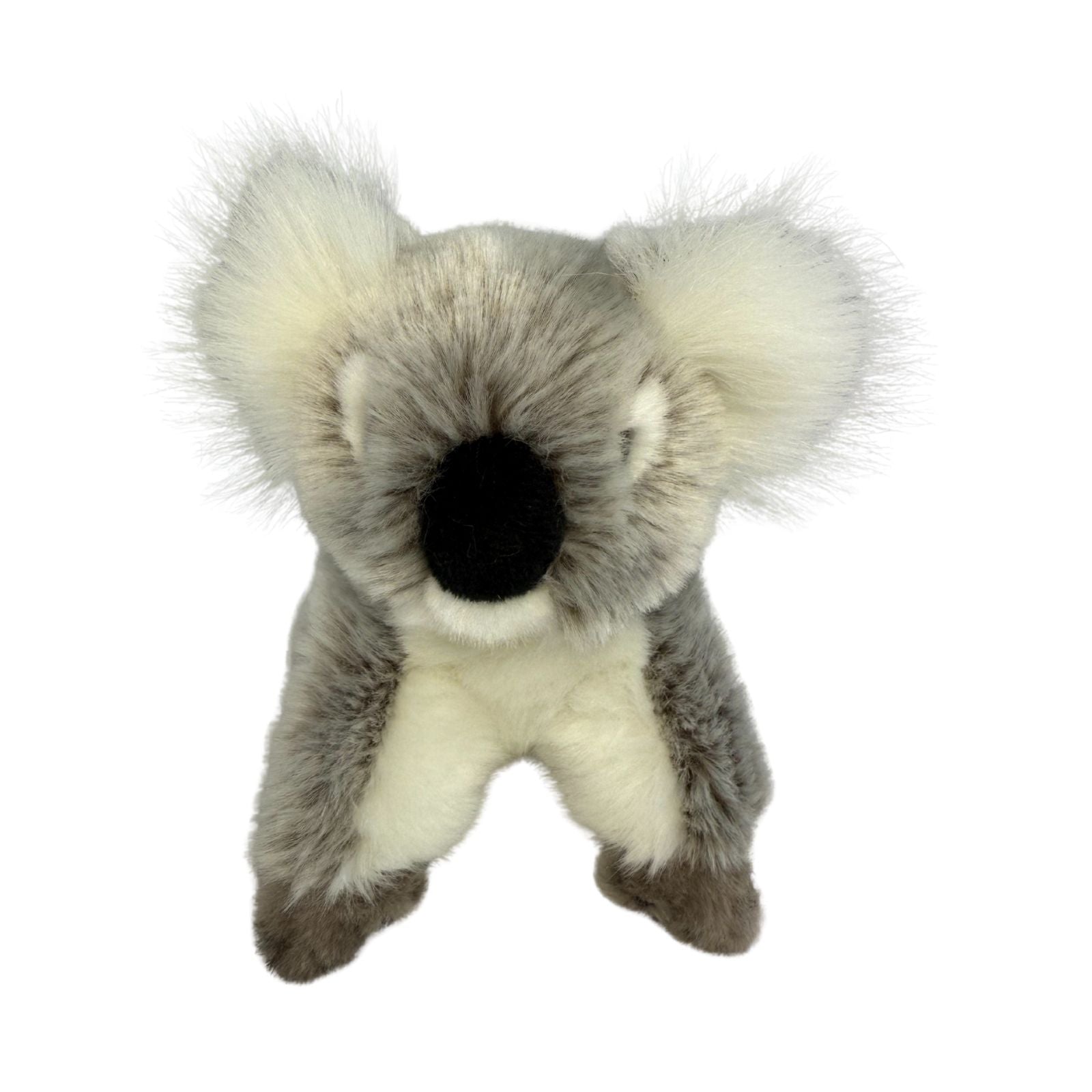
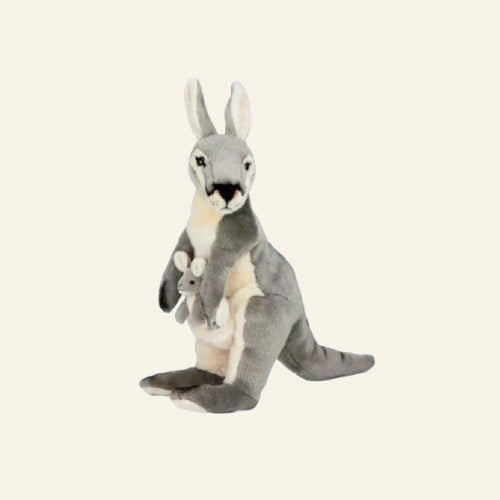
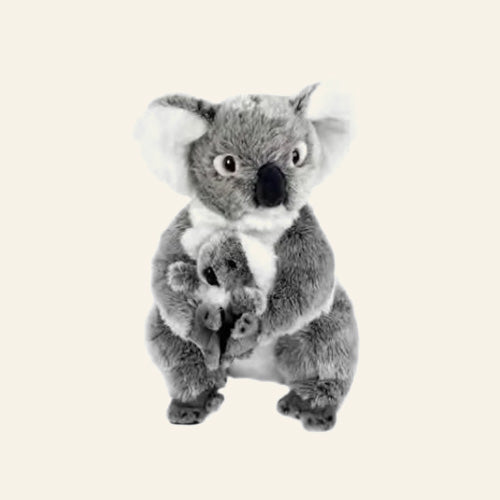
Bocchetta Plush Toys has applied this material scrutiny since 1948, with Australian-designed animals including koalas, kangaroos, and wombats built to carry natural weight with sculpted realism. Their plush bear collection reflects the same standard across the full range.
Why Lifelike Design Makes a Weighted Plush Animal Feel Special
Materials set the foundation, but design is what makes you genuinely connect with a weighted plush animal.
A weighted plush with realistic proportions, accurate fur texture, and a believable facial expression does something a generic stuffed toy simply cannot: it creates an emotional response. That added layer of meaning transforms a comfort tool into something you actually want nearby.
Mass-produced plush toys are typically designed for cost efficiency, not anatomical accuracy. Artisan-designed alternatives invest in posture, layered materials, and species-specific detail that make the difference between a toy that looks vaguely animal-shaped and one that actually resembles the creature it represents.
This matters especially to adult collectors, an audience that heritage plush brands are well positioned to serve. For them, design authenticity is a genuine purchase driver. A koala that sits with the correct hunched posture, or a wombat with the right low-slung build, carries far more appeal than a generic round plush in grey.
Australian native animals are particularly vulnerable to poor design. Their unique body structures and coat textures are frequently simplified or distorted by manufacturers without specialist knowledge. Heritage-informed design fixes this.
Bocchetta has been designing lifelike plush animals in Australia since 1948, building specialist knowledge that most producers simply lack. Their wild animal plush collection reflects that depth, with anatomical accuracy that generic, child-focused manufacturers rarely prioritise.
Eco-Friendly and Ethical: What to Check Before You Buy
Design quality matters, but so does how and where your weighted plush animal was made.
Sustainability has become a genuine purchase driver. Consumer demand for eco-friendly materials is reshaping the entire toy industry, with manufacturers actively shifting toward biodegradable and recycled alternatives. This isn't a niche concern anymore; it's mainstream.
Practical things to check before buying:
Fill material: Look for recycled poly pellets or natural alternatives over virgin plastic
Outer fabric: Organic cotton or sustainably sourced plush is preferable to unspecified synthetic materials
Packaging: Minimal plastic packaging signals a brand that thinks past the product itself
Supply chain transparency: Can the brand tell you where and how their toys are made? If not, that's worth noting
For adults buying premium weighted plush animals as gifts or for themselves, ethical production increasingly matters. Knowing a product was made responsibly adds to its value rather than just its price tag.
There's also a simple durability argument: buying a high-quality weighted plush animal once is far more sustainable than replacing a cheap one every year or two. Longevity is its own form of environmental responsibility.
Finally, research the brand behind the product. Companies with long manufacturing histories and consistent design standards tend to be more accountable than trend-driven newcomers. A heritage of 75-plus years, like Bocchetta's, carries weight that a recently launched label simply cannot replicate.
Keeping Your Weighted Plush Animal Clean and Long-Lasting
Once you've chosen a quality weighted plush, looking after it properly keeps it comforting and beautiful for years.
Weighted plush animals need more careful cleaning than standard stuffed toys. The weighted fill, whether poly pellets or glass beads, can shift, clump, or harden if soaked during machine washing. Agitation can also flatten delicate fur textures that are difficult to restore.
Spot cleaning is your best first option. Dab the affected area with a damp cloth and a small amount of mild detergent, then wipe clean with fresh water. This targets the mess without saturating the fill. If machine washing is unavoidable, use a fine-mesh laundry bag on a gentle cycle and always air dry flat to preserve weight distribution and shape.
Some weighted plush animals feature removable weighted inserts, which makes cleaning significantly easier. The outer shell can be washed normally while the insert stays dry. If easy cleaning is a priority, especially for parents buying for young children, check whether this design feature is available before purchasing.
For collector-grade pieces, store away from direct sunlight to prevent fur fading, and avoid compression storage that can flatten the plush pile. A breathable cotton bag works well for long-term keeping.
Always read the care label before buying. It tells you exactly what the manufacturer recommends, and it is a quick, practical indicator of how manageable the toy will be day-to-day.
What to Look For (And What to Avoid) When Shopping
Once you've sorted care, you're ready to buy confidently. Here's a quick checklist before you commit:
Weight: appropriate for the intended user (see the weight guidance section above)
Materials: non-toxic, child-safe fill with verifiable safety certifications
Design: lifelike or personally meaningful
Care instructions: clearly labelled and practical for your situation
Age-suitability labelling: present and accurate
Common pitfalls to avoid: Don't shop on price alone. Budget weighted plush toys often use low-grade fill that shifts unevenly over time, undermining the whole point. Always check age-suitability labels, and don't skip the care requirements just because a toy looks appealing.
Shopping online adds extra steps. Read reviews specifically for comments about weight accuracy and feel. Check the return policy before purchasing, and zoom into product images to assess fur texture and construction quality.
As noted in the design section, emotional connection to a species amplifies the comfort benefit over time.
For buyers who want both quality and meaning, heritage brands with long design track records are a smart starting point. Bocchetta's range of Australian sea animals and iconic native species brings over 75 years of lifelike craftsmanship to every piece.
Finding the Right Weighted Plush Animal for You
Once you've worked through the checklist, the decision gets simpler. Keep five things in mind: appropriate weight, quality materials, lifelike design, sustainability, and easy care. Those pillars apply whether you're buying for a toddler or treating yourself.
As covered earlier, adults and collectors benefit just as much as children, there's no age limit on comfort.
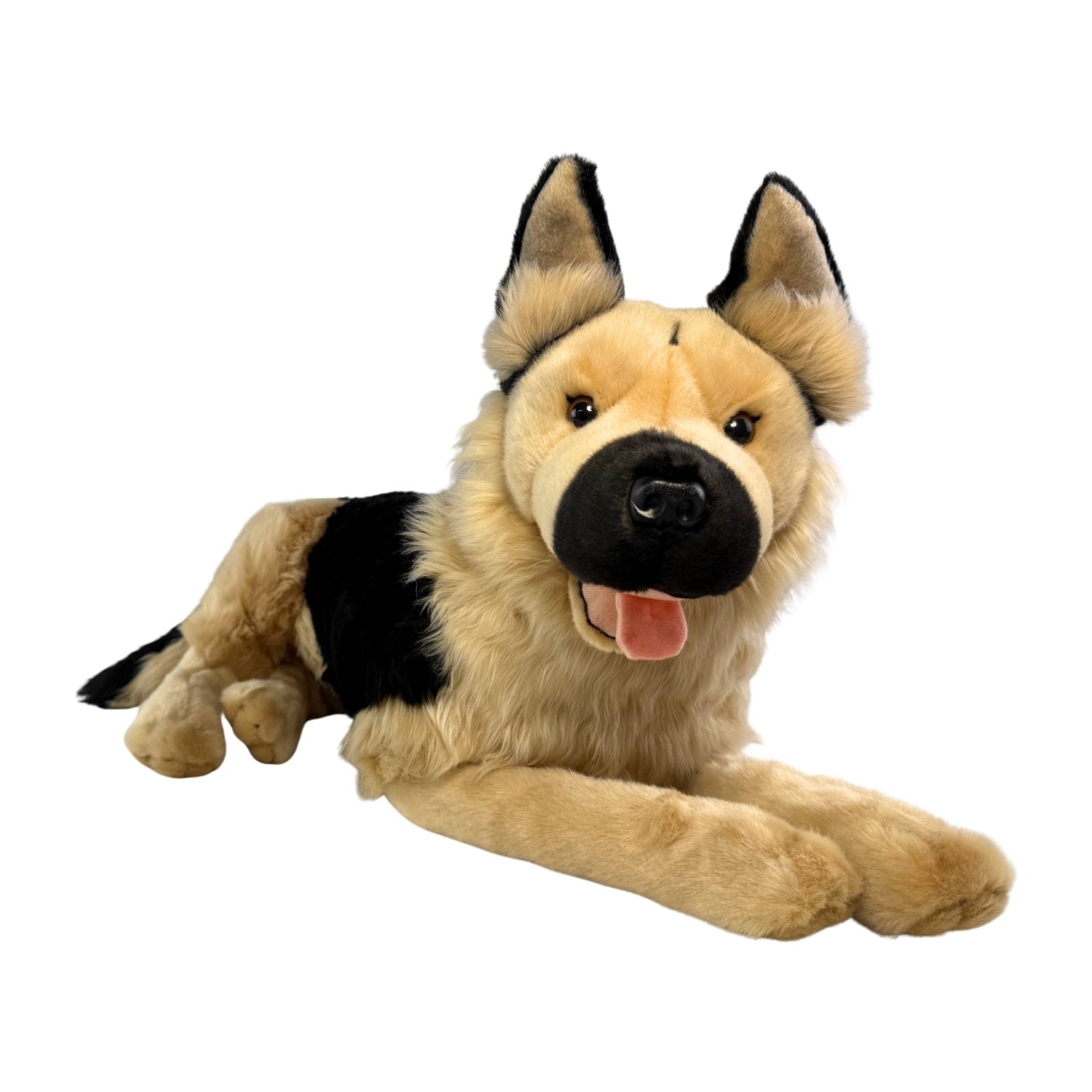
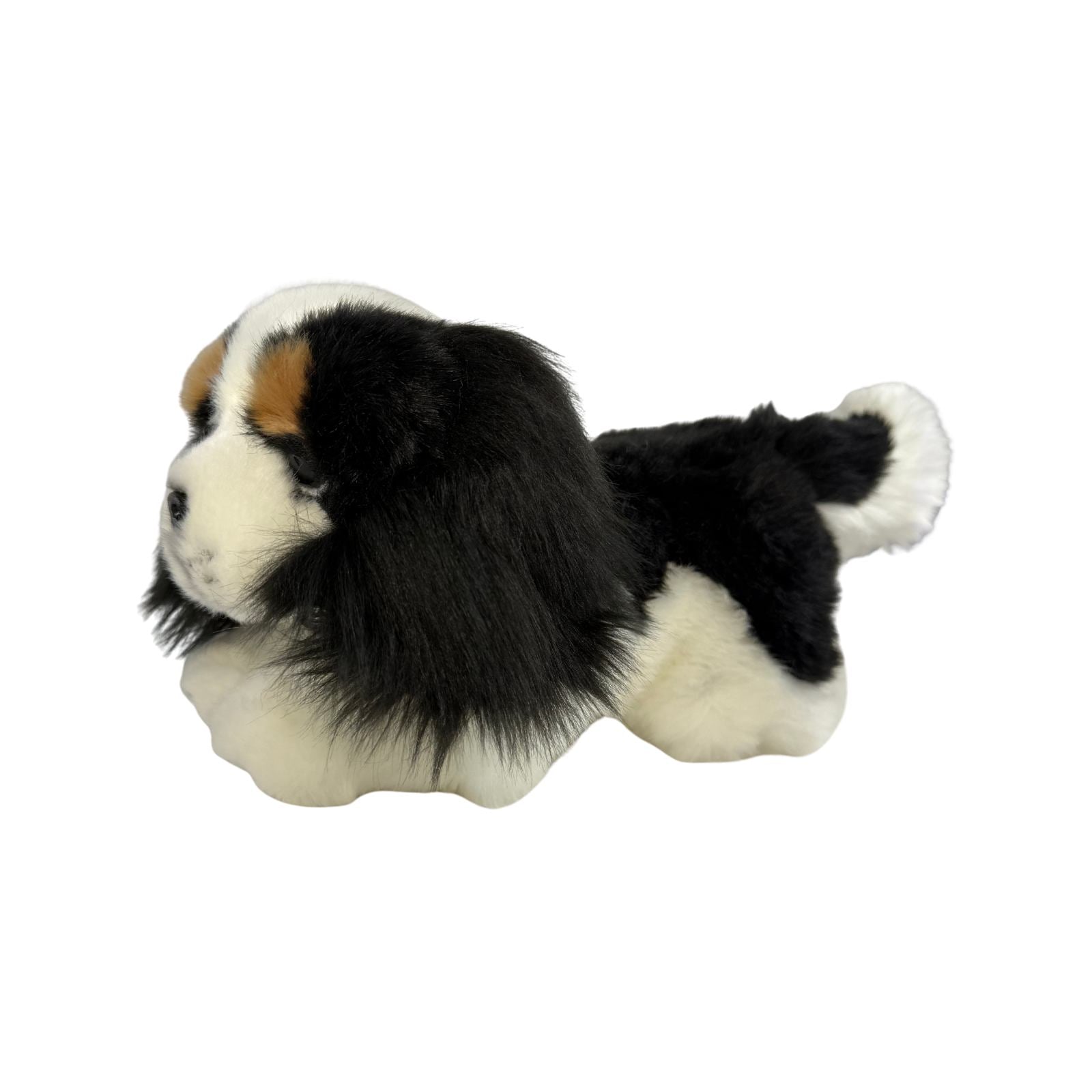
A good place to start is with an animal that genuinely means something to you. A koala, a kangaroo, a dog that reminds you of a beloved pet, a favourite sea creature; the emotional connection isn't incidental, it actively deepens the comfort the toy provides.
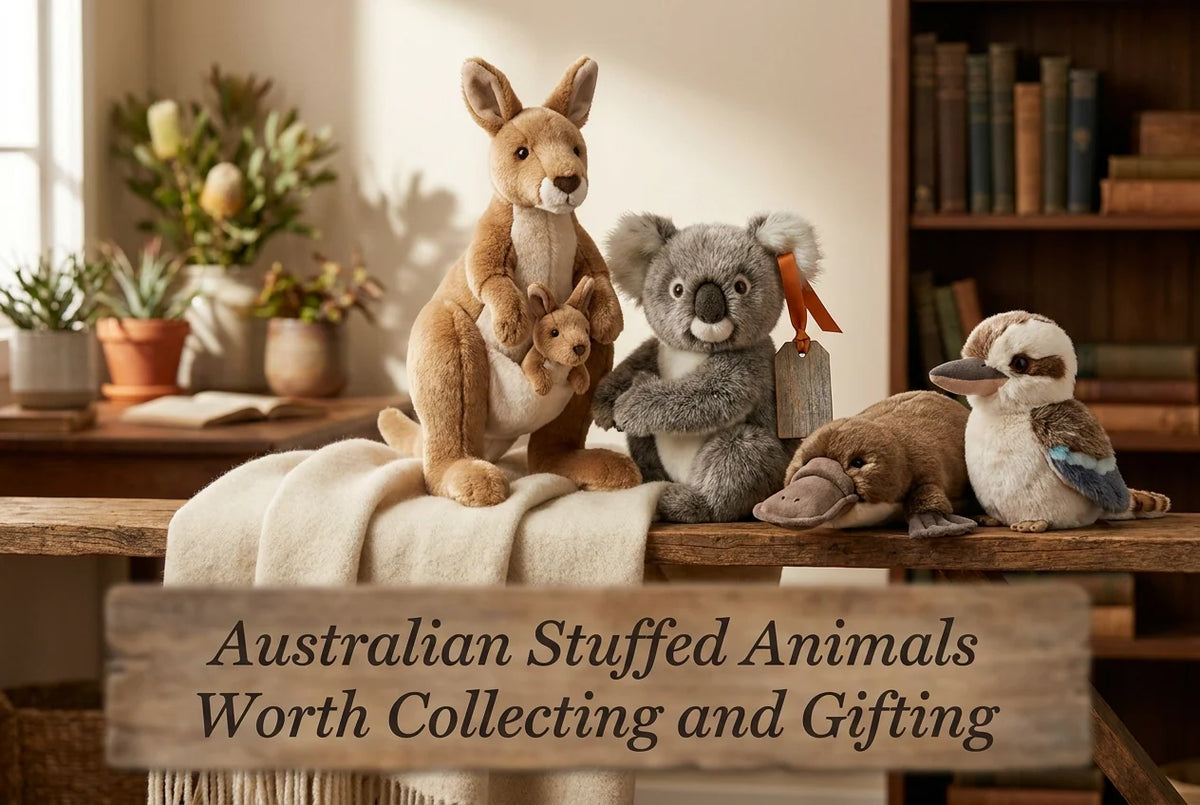
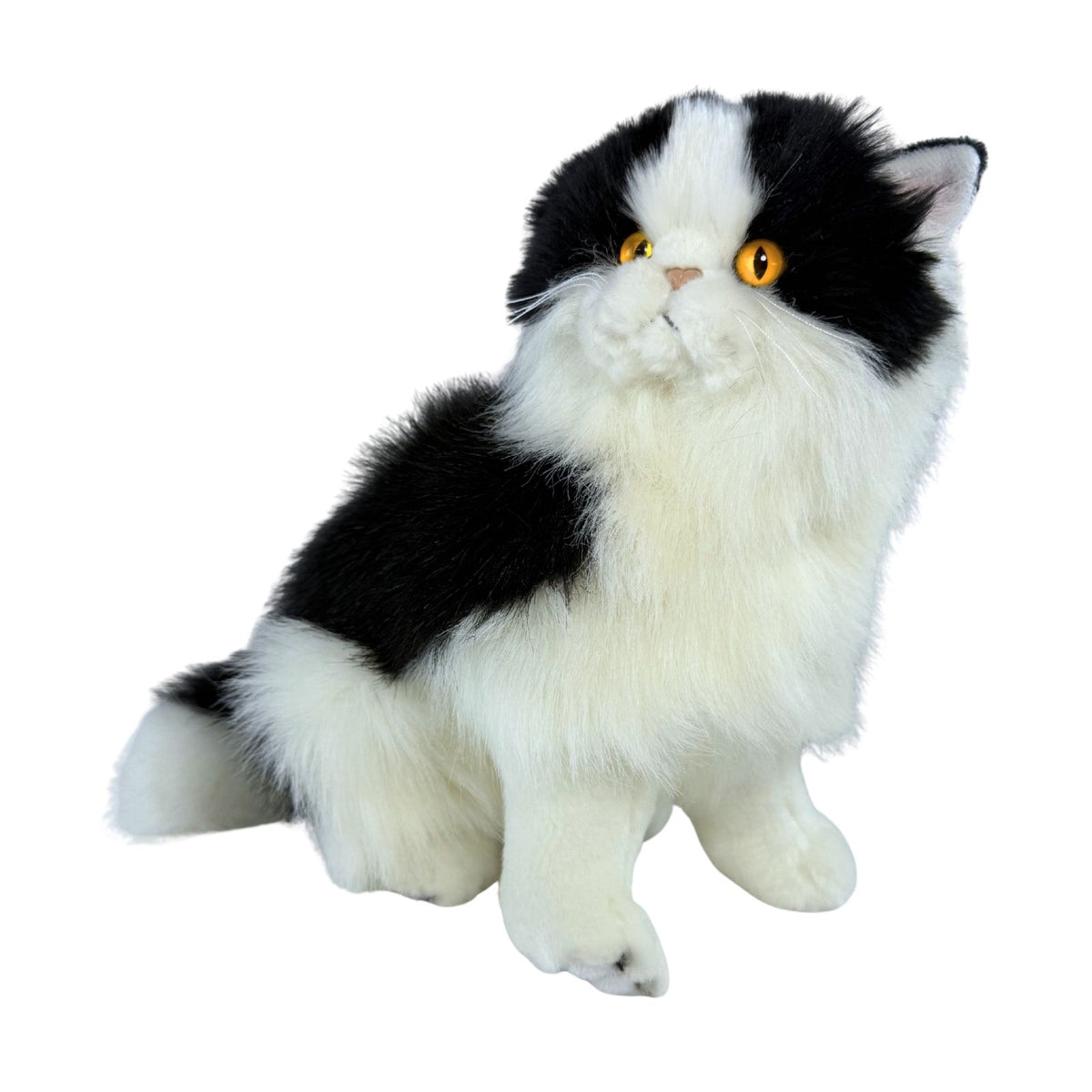
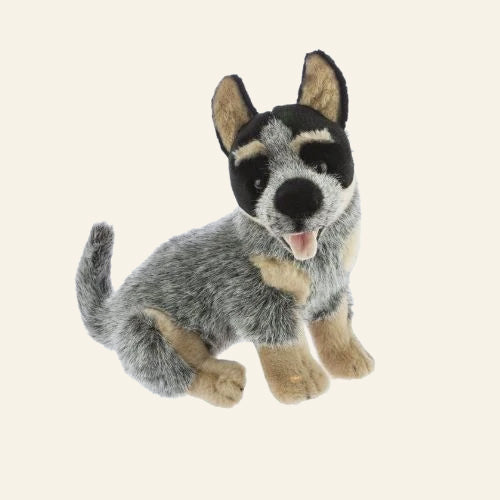
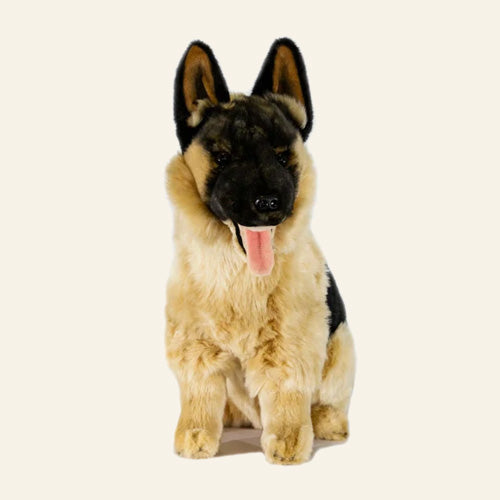
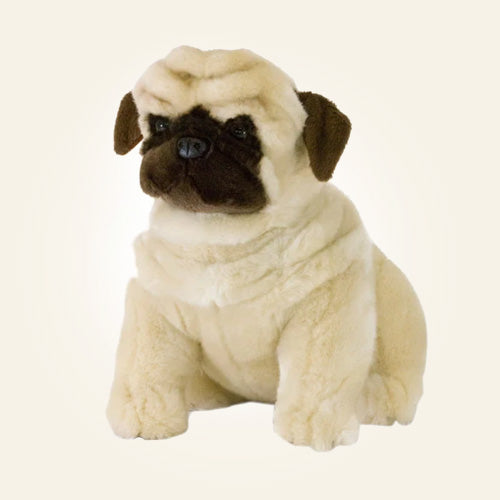
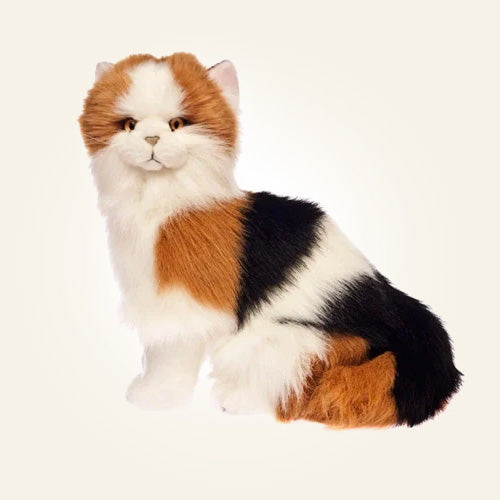
If you're not sure where to begin, Bocchetta's Australian koala plush collection is a beautiful entry point. Bocchetta Plush Toys has been designing lifelike plush animals in Australia since 1948, with a range covering cats, dogs, koalas, kangaroos, wombats, sea animals, and farm animals. That's over 75 years of craftsmanship behind every animal.
Explore the range and find a weighted plush animal that's both beautifully made and genuinely comforting. The right one is out there.
Conclusion
As this guide shows, the right choice comes down to weight, materials, design, and responsible manufacturing.
These aren't luxury considerations. They're the difference between a toy that sits on a shelf and one that genuinely delivers comfort, calm, and lasting value.
Weighted plush animals aren't just for children. They're for anyone who could use a little more grounding in their day, and that includes most of us.
Start with an animal that resonates with you personally, check the craftsmanship, and choose a maker with a proven track record. Bocchetta Plush Toys brings over 75 years of lifelike design to every piece. Explore the full range and find the one that feels like it was made for you.