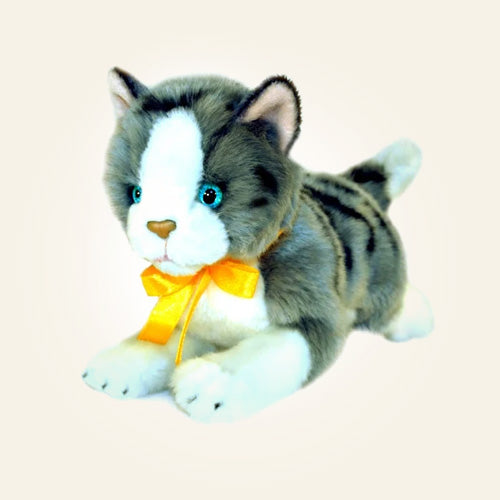
Plush Cats: What to Look For in a Lifelike Collectible or Gift
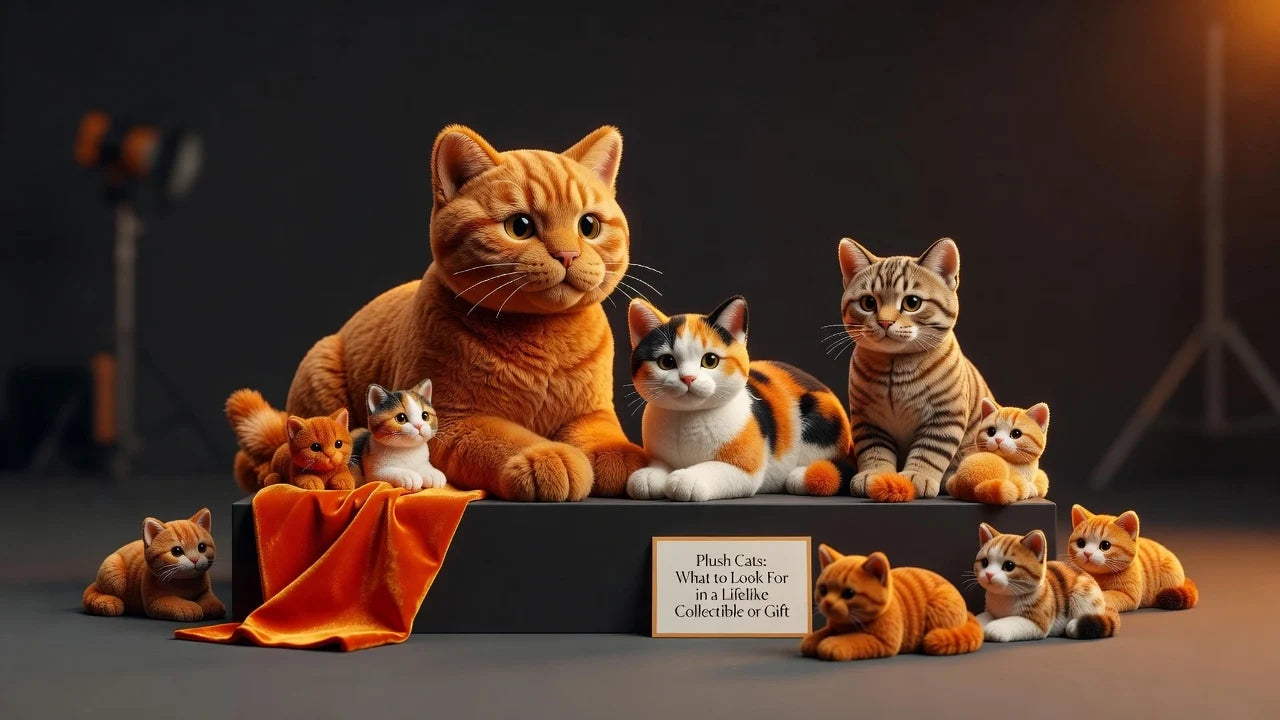
Whether you're shopping for a gift or simply treating yourself, there is something undeniably charming about a well-made plush cat. These soft, cuddly companions have come a long way from basic stuffed animals. Today, you can find incredibly detailed designs that look almost real, making them perfect for collectors, cat lovers, and anyone in between.
But here is the thing: not all plush cats are created equal. With so many options out there, it can feel a little overwhelming trying to figure out which one is actually worth your money. What makes one look lifelike while another falls flat? Is it the fur texture, the facial features, or something else entirely?
That is exactly what this guide is here to help you figure out. We have put together a simple, beginner-friendly list of the most important things to look for when choosing a plush cat, whether you want a stunning display piece or a heartfelt gift for someone special. By the end, you will know exactly what separates a truly special plush from a forgettable one.
Plush Cat vs. Cat Toy: Two Very Different Things
If you've ever typed "plush cat" into a search bar, you already know the results can go in two very different directions. Some results show adorable stuffed animals designed for children and collectors. Others show toys designed for your actual cat to bat across the kitchen floor. These are not the same thing, and knowing the difference before you buy matters more than you might think.

A collectible plush cat is made for humans. Whether it's a gift for a child, a keepsake for a collector, or a lifelike companion for display, it's crafted with fine surface fabrics, detailed embroidery, and carefully chosen stuffing that meets children's toy safety standards. These materials are built for softness, visual detail, and long-term display quality. They are absolutely not built to survive a real cat's claws or teeth. Giving a collectible plush to your pet risks damaging delicate features, and small decorative components like embroidered eyes or decorative trims could pose a hazard.
Plush cat toys, by contrast, are engineered for durability, with reinforced stitching, pet-safe dyes, and features like crinkle filling or catnip. Great for pets, but nothing like the collectible experience.
Both markets are booming. The cat toys market reached USD 3.5 billion in 2026 and is projected to hit USD 6.4 billion by 2036. The broader plush toys market hit USD 12.5 billion in 2024. Two thriving categories, two completely different purposes.
If you're here shopping for your pet, your local pet retailer or a specialist pet e-commerce store is your best next stop. If you're here for a gift, a keepsake, or a lifelike stuffed animal to treasure, you're in exactly the right place. Bocchetta Plush Toys has been designing collectible-grade plush animals in Australia since 1948, and their plush cats are companions built for people, not pet accessories.
What Actually Makes a Plush Cat Look Lifelike
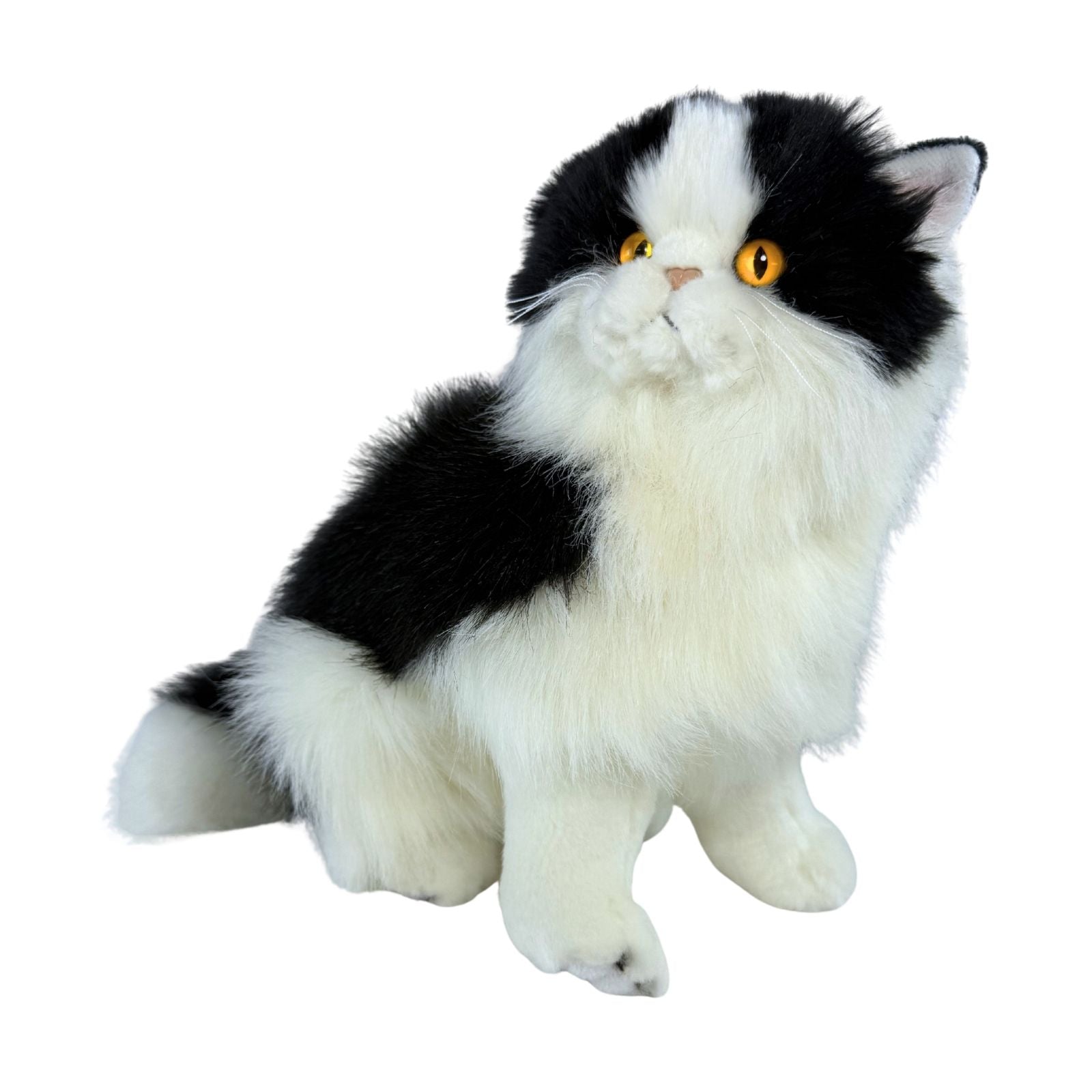
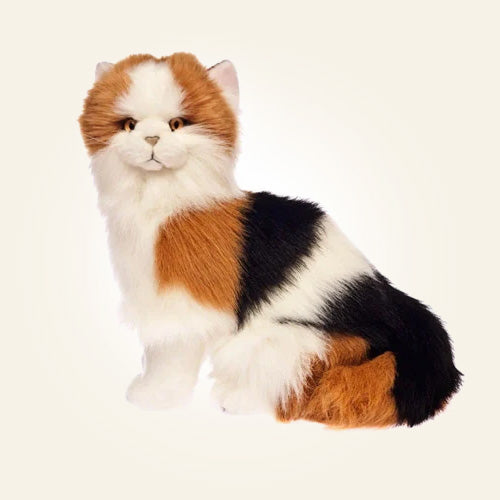
Not all plush cats are created equal, and once you know what to look for, the difference becomes impossible to unsee. Generic stuffed animals typically use a single uniform fabric, symmetrical construction, and fixed limb positions that feel more cartoonish than convincing. A truly lifelike plush cat, on the other hand, is built with multi-tonal fur fabric, breed-accurate facial proportions, carefully designed eyes, and poseable or weighted limbs that replicate the natural heft and posture of a real cat.
One of the most underrated techniques in quality plush manufacturing is fur pile direction. Rather than brushing all the fur the same way, skilled makers map the pile to flow the way a real cat's coat grows, short and tight around the muzzle, longer at the ruff and belly. This directional approach is what allows manufacturers to recreate tabby striping, colour point markings on breeds like Siamese, and the swirling patches of a tortoiseshell without relying on flat printed fabric.
The finer details are where serious realism lives. Sculpted or embroidered noses, hand-set whiskers, and textured paw pads all contribute to the tactile and visual fidelity that collectors and thoughtful gift buyers specifically seek out. These are not afterthoughts; they are the features that make someone pick up a plush cat and feel a genuine emotional connection to it.
This commitment to character over silhouette is central to Bocchetta's Australian design philosophy. Since 1948, Bocchetta has focused on capturing the personality and spirit of each animal, not just its basic shape, a standard that realistic plush toy design increasingly reflects across the wider industry.
That collector-driven demand is reshaping the entire market. Adult buyers now want a far higher level of detail than children's toys have traditionally delivered, and the global plush market is forecast to reach USD 22.8 billion by 2033 as a result.
Which Cat Breeds Are Available as Plush and How to Choose
The good news for cat lovers is that there are plenty of breeds to choose from when shopping for a lifelike plush cat. The most commonly available include the tabby, Maine Coon, Siamese, Persian, British Shorthair, Bengal, and the ever-popular orange or ginger cat. That said, breed accuracy varies enormously between manufacturers. Mass-market options often produce a generic "cat shape" with little attention to what makes each breed visually distinct, while specialist makers invest in the details that make a plush instantly recognisable.
Breed choice matters more than you might expect, because it directly shapes the emotional connection you feel with the toy. Whether you want a plush that looks just like your own cat, reminds you of a pet you've lost, or represents a breed you've always adored but never owned, that match between the plush and the real animal is what makes it meaningful. A cat breed preference poll attracted over 126,000 views, which shows just how deeply people identify with specific breeds.
When checking for breed accuracy, look at four key things:
Eye colour: Siamese cats should have blue almond-shaped eyes; tabbies and Bengals typically show green or gold
Coat pattern placement: Bengal spots and Maine Coon tabby layering should be accurately positioned, not randomly applied
Body proportions: A British Shorthair is compact and round; a Siamese is lean and angular
Ear shape: Maine Coons have distinctive tufted ears that low-quality plush often skip entirely
Bocchetta offers a solid range of cat breeds within its lifelike plush lineup, making it a worthwhile destination if you're chasing a specific breed match.
Pro shopping tip: Instead of searching "stuffed cat," try "[breed name] plush cat," like "Maine Coon plush cat" or "Siamese plush cat." This long-tail approach cuts through generic results and connects you with specialist manufacturers far more quickly.
Why Adult Collectors Have Fallen Hard for Plush Cats
Adult collectors are no longer a quiet corner of the plush toy world. They are now a primary growth driver in the global market, with the stuffed and plush toys segment projected to reach USD 20,700.2 million by 2033, growing at a CAGR of 7.85%. Collector and comfort toy demand is specifically cited as a key reason for that growth, which means if you are an adult who loves plush cats, you are very much part of a mainstream trend, not an outlier.
So what do serious collectors actually look for? It comes down to a few consistent priorities. First, lifelike detail matters enormously; collectors want anatomical accuracy, not cartoon simplification. Second, display-worthiness is a real consideration, because these pieces often live on shelves, not in toy boxes. Third, tactile fabric quality is a deciding factor, with collectors noticing the difference between premium plush and cheaper alternatives almost immediately. Finally, there is a strong emotional connection at play, particularly for cat lovers who want a plush that genuinely resembles a real breed or a beloved pet.
The plush collecting community on TikTok and YouTube has made this hobby highly visible and deeply social. Rituals like unboxing hauls, shelf resets, and new release reactions are shared daily by creators with dedicated followings. YouTube channels focused on plush criticism and artist spotlights attract tens of thousands of engaged viewers, signalling a mature and passionate audience.
This is exactly where Bocchetta fits naturally. Designing lifelike plush animals since 1948, Bocchetta has always prioritised realism over stylisation, which aligns directly with what today's collectors seek. For those who want to go beyond purchasing, Bocchetta actively pursues brand ambassador and collaboration opportunities with content creators, offering a genuine way to connect with the brand and share that passion with a broader community.
The Best Occasions to Give a Plush Cat as a Gift
A lifelike plush cat makes a surprisingly versatile gift, and knowing when to give one makes the choice even easier. Here are the occasions where a plush cat truly shines.
Birthdays are an obvious starting point, for kids and adults alike. Children love the softness and playful realism of a well-crafted plush, while adult cat lovers genuinely appreciate receiving something that reflects their personality.
Christmas and holiday gifting is peak season for plush toys, and a lifelike cat makes a memorable addition to any gift pile. It is the kind of present that gets displayed rather than tucked away.
Valentine's Day is a natural fit for cat-loving partners. Rather than the usual bunch of flowers, a beautifully crafted plush cat is something your partner can actually keep and enjoy long after the day is over.
Sympathy gifts after pet loss are perhaps the most meaningful use of all. Losing a cat is genuinely heartbreaking, and gifting a plush that resembles the recipient's breed is a thoughtful way to acknowledge their grief without words.
"Just because" gifts work brilliantly for cat enthusiasts who seem to have everything. A distinctive plush cat needs no occasion to justify it.
It is also worth noting that plush cats are increasingly given to adults dealing with anxiety or loneliness, not only to children. Research shows that 56% of American adults still own their childhood stuffed animal, and psychologists confirm that soft objects help regulate emotions during vulnerable periods. You can explore the gifting occasions where stuffed animals land best for more context on this growing trend.
When choosing, always check manufacturer age ratings on smaller plush toys, especially for young children. Think about whether the recipient wants something for display or cuddle use, as size matters here. Matching the plush to the recipient's actual cat breed adds a personal touch that a generic stuffed animal simply cannot offer.
Bocchetta's range spans multiple sizes, making it easy to find something that fits your budget, whether you want a small token or a statement collector piece. As a lifelike, Australian-designed brand, it offers something far more distinctive than an off-the-shelf stuffed animal for anyone who takes their love of cats seriously.
The Comfort Factor: Emotional and Therapeutic Benefits of Plush Cats
There's a reason children carry the same stuffed animal to every doctor's appointment, every first day of school, and every sleepover. Plush toys function as transitional objects, helping children manage anxiety, regulate emotions, and feel safe during stressful events. Research by Ullán et al. (2014) found that children given a stuffed animal after surgery actually scored lower on pain measurements, suggesting plush toys do more than just comfort in theory. For bedtime anxiety specifically, studies confirm that children cite the physical and emotional reassurance of their plush companions as a genuine coping tool.
The comfort effect doesn't stop at childhood. Stuffed animals have well-documented calming effects on adult mental health, and plush companions are increasingly used in occupational therapy, nursing homes, and aged care settings to support socialization and emotional wellbeing. For adults who cannot own a live cat because of allergies, rental restrictions, or the grief of losing a pet, a lifelike plush cat can meaningfully fill that emotional gap. A 2017 survey found 56% of American adults still own their favourite childhood stuffed animal, with 72% saying they intend to keep it forever.
This connects directly to the humanisation of pets trend, a named market driver projected through 2036. Cat lovers who want the warmth of feline companionship without the feeding schedules or vet bills are increasingly choosing lifelike plush cats as deliberate comfort objects, not just decorative pieces.
What makes this work physically is tactile quality. The act of holding or stroking a soft, high-pile plush triggers a genuine neurological comfort response. That makes material softness a functional specification, not just an aesthetic one. Bocchetta's focus on lifelike texture and exceptional softness directly supports these therapeutic qualities, making their plush cats thoughtful recommendations for therapists, aged care workers, and anyone shopping with real emotional purpose in mind.
What 75+ Years of Australian Plush Design Actually Means for Quality
When a company has been designing plush animals since 1948, that history isn't just a marketing detail. It represents decades of craft knowledge built before mass-market toy production normalised shortcuts. Bocchetta's founding story matters here: the original process involved carving a wooden model of each animal before covering it in fabric. Every proportion, every curve, and every anatomical feature had to be right before a single stitch was sewn. That commitment to getting the animal correct from the very beginning is baked into the brand's DNA in a way that a factory operating from generic templates simply cannot replicate.
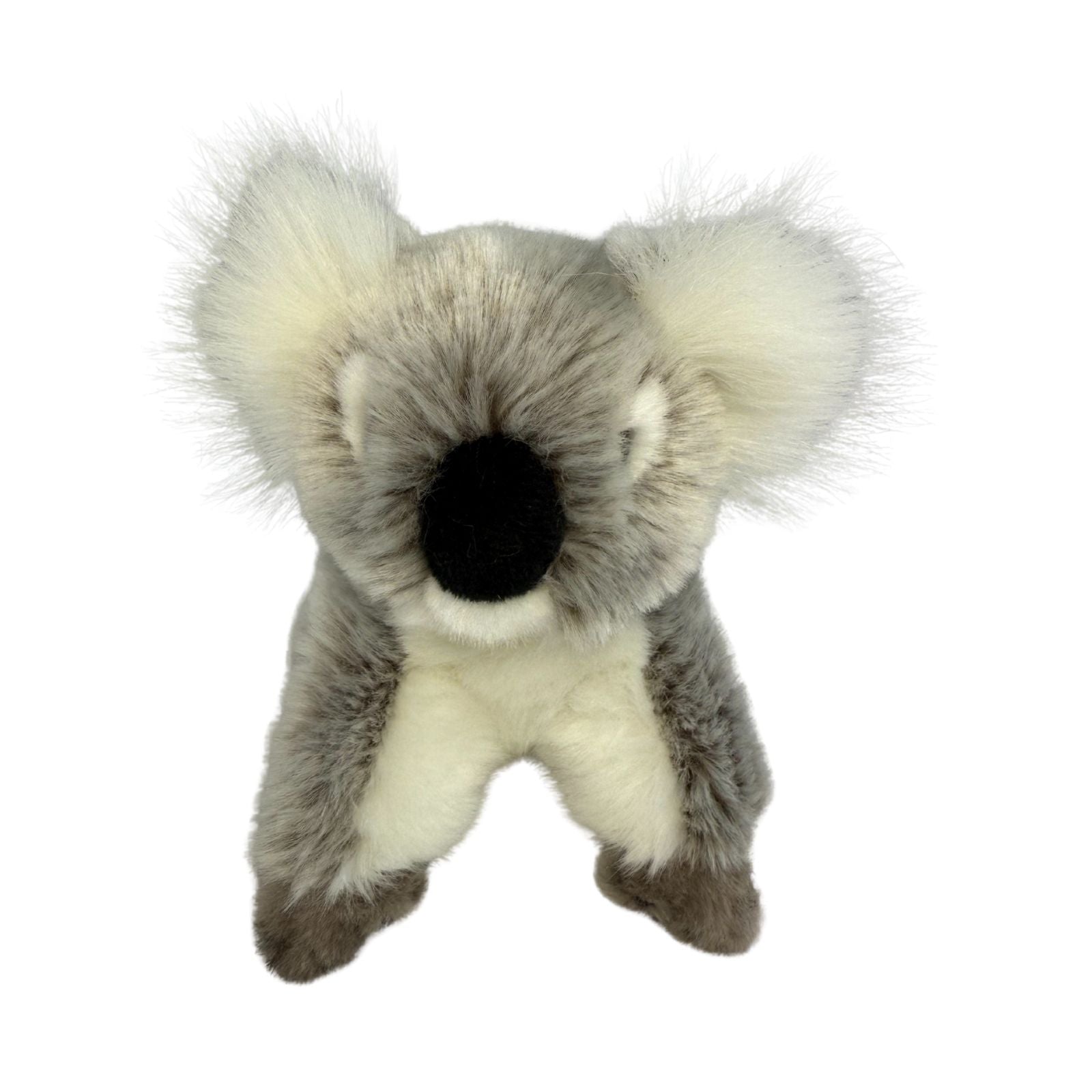
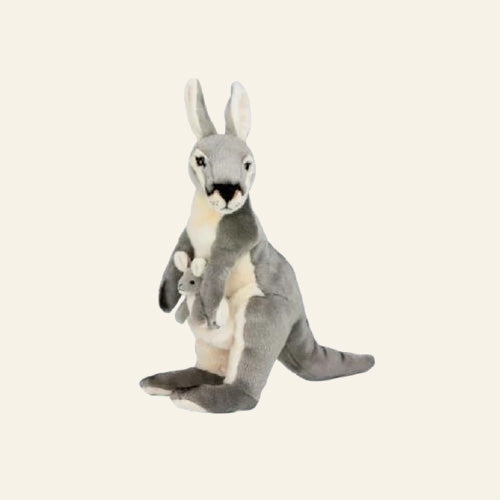
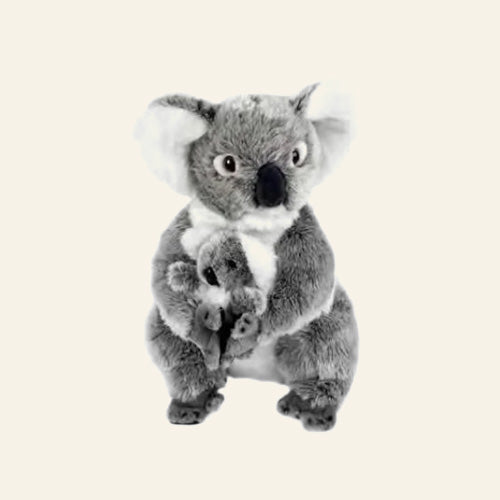
"Designed in Australia" means something specific in practice. Bocchetta's design team works from observation, focusing on the actual character and physical anatomy of each species. The range covers Australian native animals like koalas, kangaroos, wombats, and quokkas alongside cats, dogs, and international wildlife. Each animal is treated as its own design brief, not a variation of a shared body form. When you look at a Bocchetta plush cat, you're looking at a breed-specific design, built from the ground up to represent that particular cat, not a tabby base model repainted to suggest a different breed.
This approach matters more now than it did even a decade ago. The global plush toys market, valued at USD 12.5 billion in 2024 and forecast to reach USD 22.8 billion by 2033, is increasingly rewarding heritage and craft credentials. Consumers are actively choosing quality-differentiated products over low-cost alternatives, and eco-friendly manufacturing is one of the fastest-growing differentiators in the category. Bocchetta's products use 100% recycled stuffing, vegan-friendly materials, and hypoallergenic construction, combining a genuine craft origin story with modern sustainability values.
For international buyers, the Australian design identity adds another layer of appeal. As Australian plush toys carry strong recognition value in global gift markets, and as Asia-Pacific demand grows with China posting a 7.6% CAGR and South Korea a 7.2% CAGR in the cat toys segment, a brand with genuine Australian design heritage occupies a genuinely differentiated position in an increasingly competitive global market.
Materials and Quality: What to Check Before You Buy a Plush Cat
Before you fall in love with a plush cat's appearance, it pays to check what's underneath. A few quick quality checks can mean the difference between a toy that lasts decades and one that looks sad after a few months.
Fabric type is your first checkpoint. High-pile plush creates that gorgeous, fluffy realistic look, but lower-quality fibres will mat and pill under regular handling. Short-pile plush tends to hold its shape better over time. Velboa (a smooth, velvety fabric) is common in budget options but rarely maintains a lifelike texture long-term. Stuffing density matters just as much; polyester fiberfill is the industry standard, but fill that is too sparse will go flat quickly and lose the cat's sculpted shape permanently. Surface features are the final tell: embroidered eyes and sewn noses outlast plastic or glued alternatives by years, and they eliminate choking hazards for younger children.
Speaking of children, safety certifications are non-negotiable for plush cats given to kids under three. Look for EN71 (European standard), ASTM F963 (US standard), or AS/NZS 8124 (the Australian and New Zealand equivalent) clearly stated on packaging.
Sustainability is worth checking too. Eco-friendly plush is one of the fastest-growing market segments through 2033, so look for recycled fiberfill, non-toxic dyes, and responsible sourcing credentials like OEKO-TEX certification. According to guidance on quality stuffed animals, brand transparency is itself a quality signal worth weighing.
A well-constructed plush cat with tight seams, quality fill, and durable fabric can genuinely become a keepsake passed between generations. Budget alternatives pill, flatten, and lose facial detail within months. Bocchetta's design-led approach prioritises exactly these construction markers, making their plush cats display-worthy pieces built to last rather than disposable novelties.
Where to Buy a Plush Cat (and What to Watch Out For Online)
Buying a plush cat online is easier than ever, but the sheer volume of listings means quality varies wildly. The stuffed animals and plush toys market is projected to grow from USD 13.79 billion in 2025 to USD 30.86 billion by 2035, with over 2,200 new product launches expected by 2026. More options sounds like good news, and in many ways it is. But a crowded marketplace also means more low-quality sellers competing for the same search terms.
Counterfeit and misleading plush toys are a documented problem on large e-commerce platforms. Studio photography is the most common trap; a single polished image can exaggerate texture detail, fur depth, and colour accuracy in ways that bear no resemblance to the product that actually arrives. To protect yourself, check every listing for clear breed identification (for example, "British Shorthair" or "Maine Coon" rather than a vague "cat plush"), explicit material specifications, and age-appropriate safety certifications. Always scroll to customer-uploaded photos, which give a far more honest picture of what you will actually receive.
Buying direct from a specialist manufacturer or authorised retailer cuts through a lot of this noise. Rather than scanning hundreds of generic listings, search specific terms like "Bocchetta plush cat" or your preferred breed followed by "Bocchetta" to find verified, lifelike options backed by documented quality credentials. Bocchetta's website lists its full range of plush cat designs with detailed product descriptions, so you know exactly what you are ordering before you commit. For first-time buyers especially, starting with a brand that has been designing lifelike plush animals since 1948 is a straightforward way to shop with confidence.

Finding the Right Plush Cat Starts With Knowing What You Need
By now, you've covered a lot of ground in this guide. You know what makes a plush cat lifelike, which breeds are available, and how to check material quality before you buy. So let's bring it all together with a simple buyer checklist before you make your decision.
Start by clarifying your intent. Are you buying a collectible, a gift, or a comfort companion? That single question shapes everything else, from the breed you choose to the quality level you need. Next, identify the breed that matters most to you or your recipient, check that materials meet recognised safety certifications, and buy from a specialist with verifiable credentials rather than an anonymous listing.
The plush cat market has matured significantly. With the global plush toys segment on track for USD 22.8 billion by 2033, quality options from heritage brands now sit alongside mass-market products, and brand provenance genuinely matters.
Bocchetta Plush Toys has been designing lifelike plush cats and animals in Australia since 1948, giving buyers one of the most experienced and credible options available. Explore the collection for breed-specific designs, gifting ideas, and collector-grade pieces. If you are a content creator or collector who wants to share your love of lifelike plush animals, Bocchetta's brand ambassador and collaboration programme is worth exploring too.
Conclusion
Finding the perfect plush cat does not have to feel overwhelming. By focusing on a few key qualities, including realistic fur texture, carefully crafted facial features, sturdy construction, and accurate breed proportions, you can confidently choose a piece that will impress any cat lover or collector.
A truly lifelike plush cat is more than just a toy. It is a thoughtful gift, a beautiful display piece, and a small source of daily joy. Knowing what to look for puts you in control of that decision.
Now that you have the tools to shop smarter, it is time to put them to use. Browse with intention, trust your eye for detail, and do not settle for anything less than a plush that genuinely makes you smile. The perfect one is out there waiting for you.