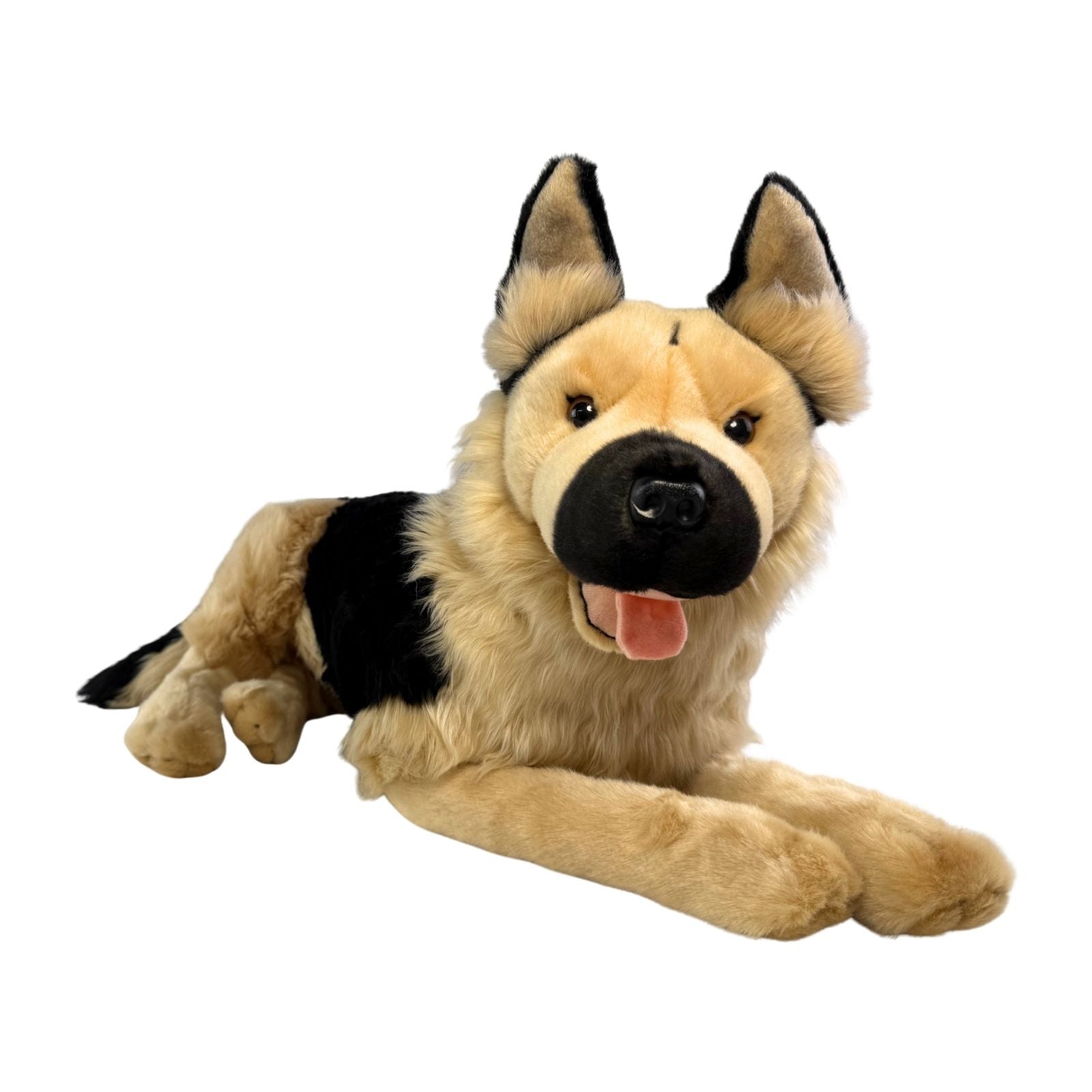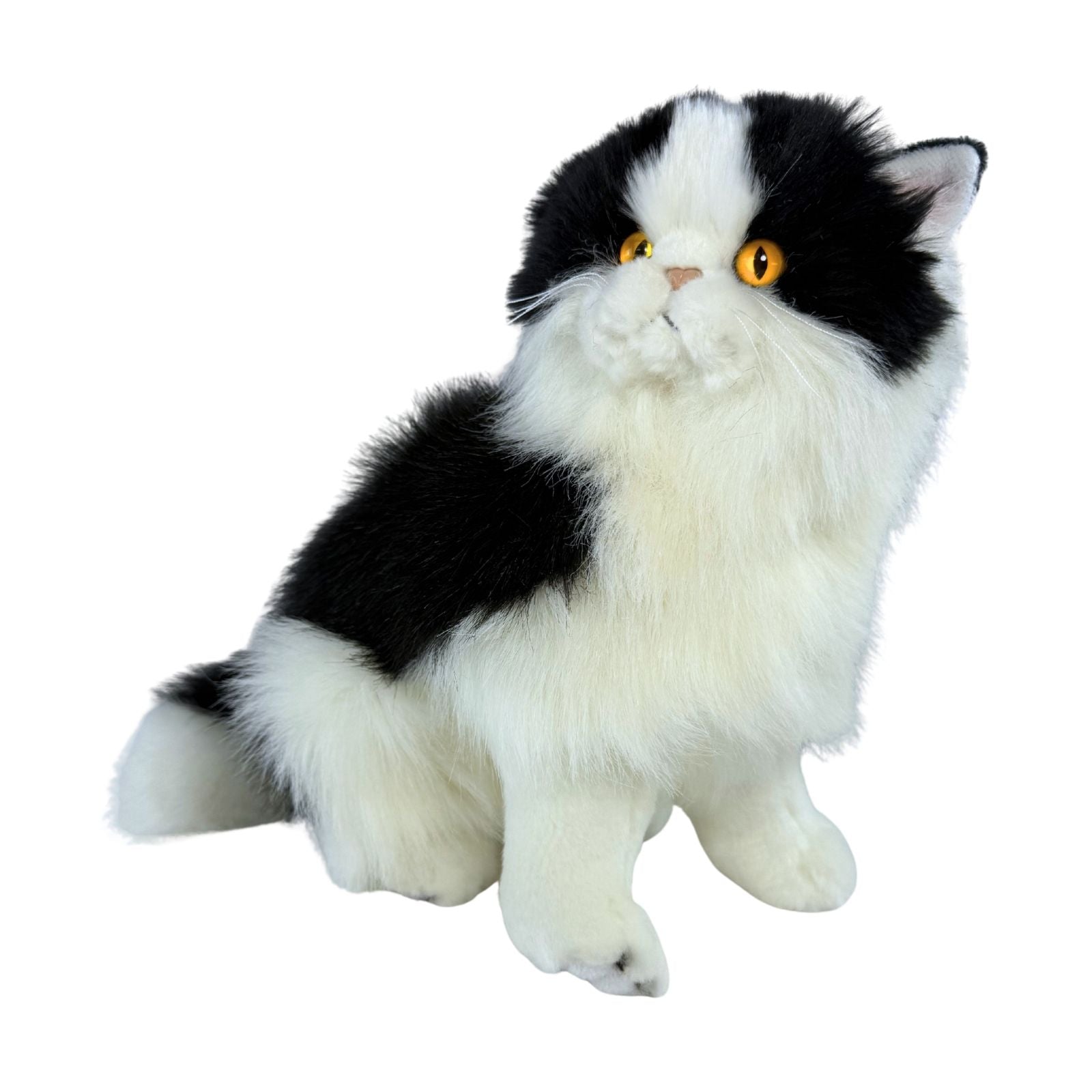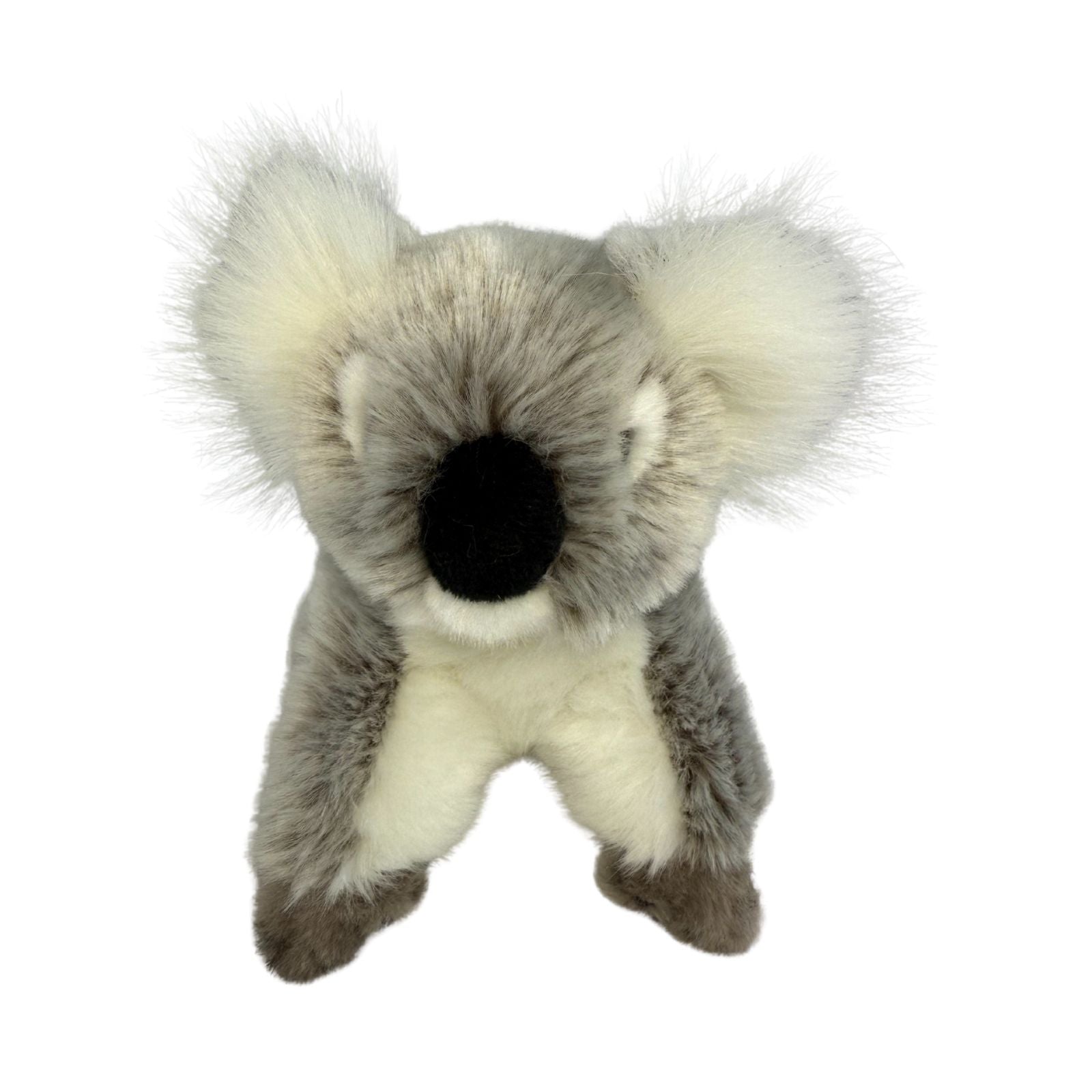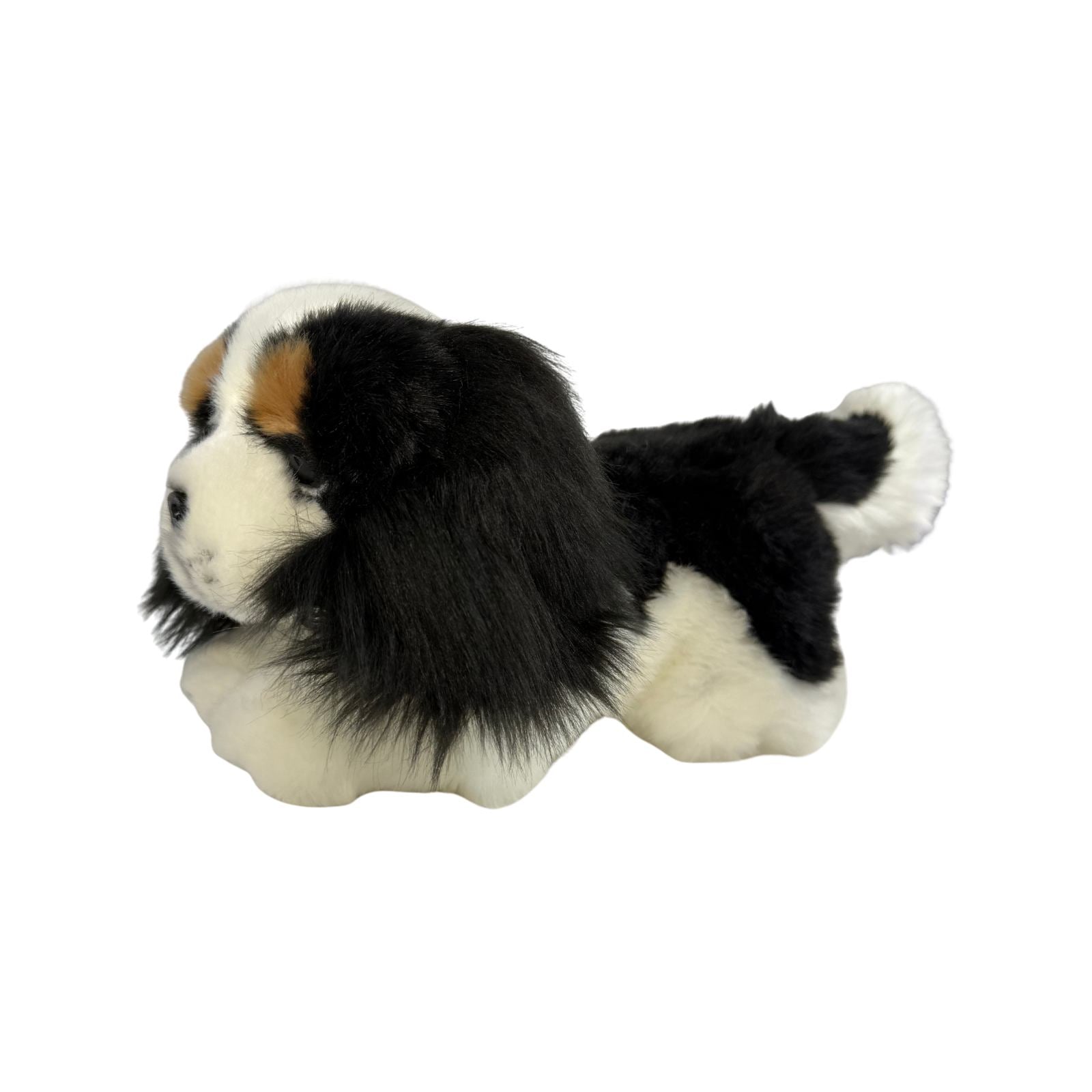
Soft Toy Wholesalers Australia: What Every Retail Buyer Should Know
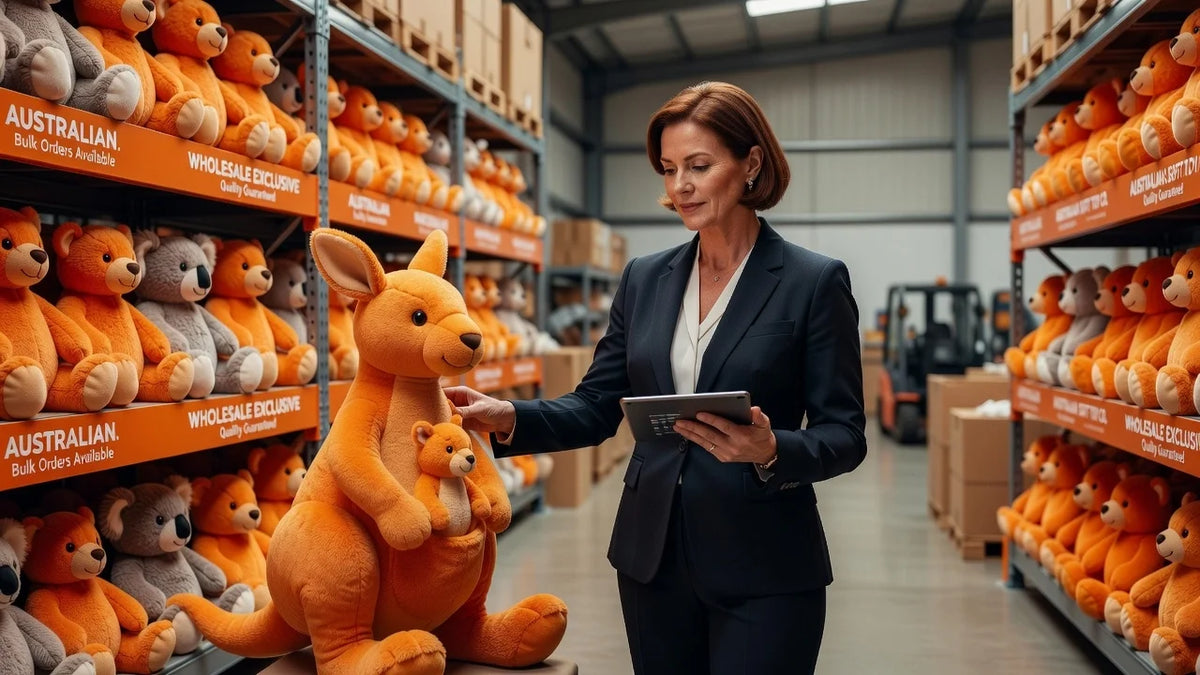
Finding the right supplier can make or break your retail business, especially in a competitive market where product quality and pricing directly impact your bottom line. For store owners and buyers looking to stock plush products, navigating the world of soft toy wholesalers Australia has to offer can feel overwhelming without the right guidance.
Australia's wholesale toy market is diverse, with suppliers ranging from large international importers to smaller domestic distributors, each offering different price points, minimums, and product ranges. Knowing how to evaluate these options is essential for making smart purchasing decisions that align with your business goals.
This guide breaks down everything an intermediate retail buyer should know before committing to a supplier. From understanding pricing structures and minimum order quantities to assessing product safety certifications and shipping logistics, you will walk away with a clear framework for choosing the best wholesale partner for your store. Whether you are expanding an existing product range or launching a new plush toy category, these key insights will help you source smarter and build stronger supplier relationships from the start.
Why the Australian Soft Toy Wholesale Market Deserves Attention Right Now

The numbers tell a compelling story for anyone evaluating soft toy wholesalers Australia wide. The global plush toys market was valued at USD 10.5 billion in 2024 and is projected to reach USD 15.5 billion by 2033, growing at a CAGR of 4.9%. That trajectory is not a short-term spike driven by a single trend; it reflects durable, multi-year consumer demand that retail buyers can present with confidence to category managers and range planners. For wholesale buyers building a supplier portfolio, category health at this scale means less risk and more predictable reorder volumes across gift, toy, and specialty retail formats.
Zoom out further and the macro environment becomes even more favourable. The broader global toy market is forecast to grow from USD 221.98 billion in 2025 to USD 423.46 billion by 2034 at a CAGR of 7.44%, according to Market Data Forecast's global toy market analysis. These macro tailwinds benefit every tier of the retail channel, from independent gift shops through to national chains, making wholesale investment in plush a defensible category decision rather than a speculative one.
Australia's toy market is not simply riding global coattails. Dedicated forecasting coverage now exists for the 2026 to 2034 period specifically for the local market, meaning procurement teams and category analysts across the country are already tracking growth trajectories that validate domestic wholesale investment. For buyers looking to explore the stuffed and plush toys market outlook, the data supports formalising supplier relationships now, ahead of the forecast growth curve rather than reacting to it later.
One of the most significant demand drivers reshaping the addressable market is the "kidulting" trend. Adults purchasing collectible, nostalgic, and emotionally resonant toys for themselves have moved from a niche observation to a formally tracked market segment in the 2025 to 2034 forecast period. This expands the wholesale opportunity well beyond children's retail into gift, homewares, tourism, and collector channels. For Australian wholesale buyers, this means a broader customer base and stronger justification for stocking premium, design-led plush ranges that appeal across age groups.
With 2026 identified as a strategically strong entry point for locking in supplier relationships ahead of Australia's growth period, the timing consideration is straightforward: buyers who formalise partnerships now position themselves to capture demand as it accelerates, rather than competing for supply and shelf space after the curve has already steepened.
The Retail Businesses Buying Wholesale Soft Toys in Australia

Understanding which retail businesses actively purchase wholesale soft toys in Australia helps suppliers position their ranges more effectively across channels. The buyer landscape is more diverse than many assume, spanning premium independents through to volume retailers and emerging institutional buyers.
1. Specialty Toy Stores
Specialty toy stores represent one of the highest-value wholesale channels available to soft toy suppliers. These retailers seek differentiated, premium ranges that justify above-average shelf pricing and give their customers a compelling reason to visit in person. Collectors and gift buyers are particularly loyal to specialty stores that consistently stock distinctive, lifelike plush animals rather than generic mass-market alternatives. For wholesalers offering well-crafted, design-led ranges, specialty toy retailers provide both strong margin potential and meaningful brand positioning.
2. Gift Shops, Souvenir Retailers, and Tourism Venues
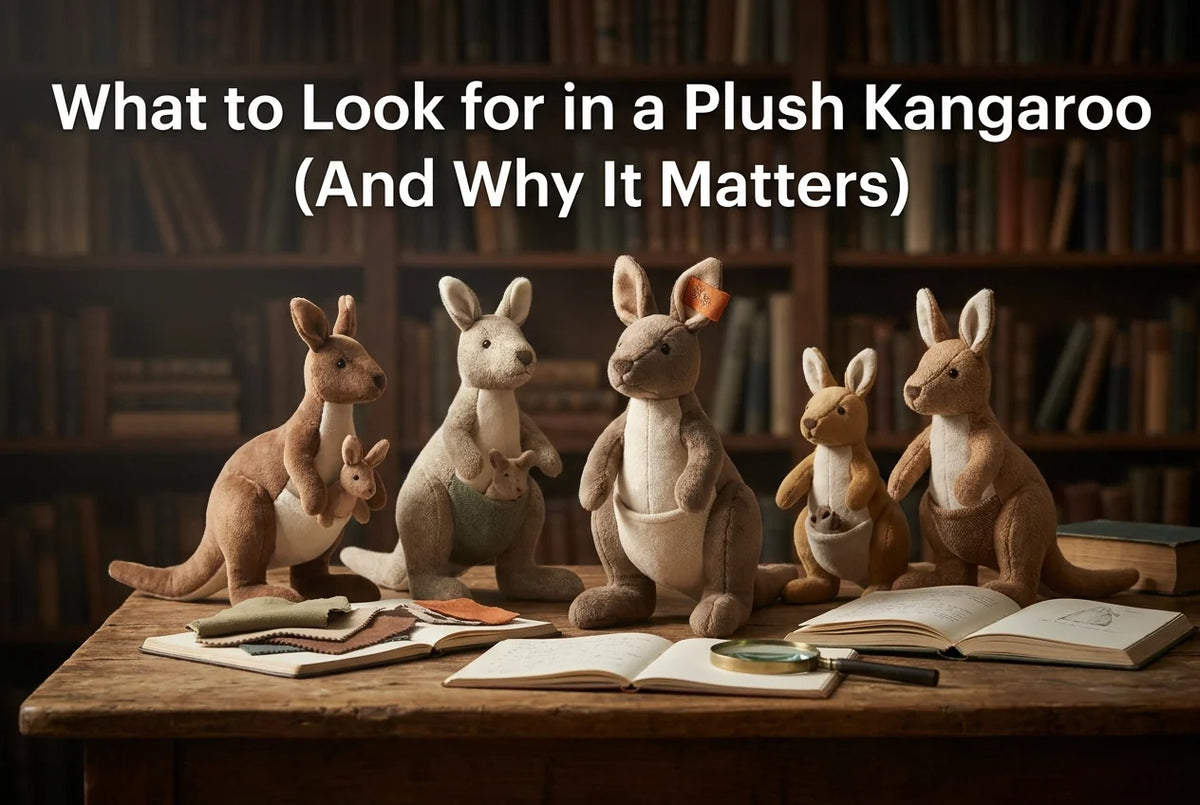
Gift shops and souvenir retailers are a primary channel for Australian iconic animal plush, and the opportunity is substantial. Zoos, wildlife parks, aquariums, and airport retailers actively seek authentic, lifelike representations of native species including koalas, kangaroos, and wombats. Tourists purchasing a souvenir expect quality and accuracy, making this a channel that rewards suppliers with genuinely distinctive, well-researched designs over generic alternatives. The Australia Toys Market forecast covering 2026 to 2034 identifies tourism-adjacent retail as part of a growing domestic market worthy of strategic supplier attention.
3. Department Stores and Supermarkets
Volume-driven retailers purchase at scale and apply strict vendor criteria. Supply chain stability, consistent product quality, and full compliance with Australian toy safety standards are non-negotiable requirements. These criteria naturally favour established wholesalers with documented track records over newer market entrants.
4. Healthcare and Therapeutic Channels
Hospitals, aged care facilities, and therapy centres represent a genuinely under-exploited wholesale vertical. Growing clinical and occupational therapy evidence supports the comfort value of plush toys across all age groups, including elderly residents and paediatric patients.
5. Online Retailers and Direct-to-Consumer Brands
E-commerce operators are increasingly sourcing wholesale plush to build curated, theme-driven product ranges. The global stuffed animals and plush toys market, valued at USD 13.79 billion in 2025 and projected to reach USD 30.86 billion by 2035, is being shaped significantly by online retail expansion as a core distribution driver. Australian e-commerce brands sourcing locally benefit from faster fulfilment and stronger storytelling around Australian design heritage.
Australian-Designed vs. Mass-Market Imports: Why the Distinction Matters
The Asia-Pacific region's rapid expansion as a plush toy manufacturing and export hub creates a double-edged reality for Australian wholesale buyers. As the stuffed and plush toy market grows toward an estimated USD 19.8 billion by 2034, East Asia alone is projected to account for USD 4.6 billion of that value. For Australian retailers, this means the volume of competitively priced imports available through wholesale channels is increasing year on year. Mass-market importers compete primarily on unit cost, not on design authenticity, zoological accuracy, or cultural relevance. Buyers who source purely on price are increasingly exposed to a commodity cycle that erodes margin and fails to differentiate their retail range.
Consumer sentiment in Australia adds further commercial weight to this distinction. Buy-local preferences are a measurable and growing influence on purchasing decisions in gift, toy, and souvenir categories. Shoppers in these segments consistently assign higher perceived value to products that carry an Australian design story, particularly when purchasing for gifting occasions or as keepsakes. This sentiment is not merely anecdotal; it represents a genuine retail pricing lever for wholesale buyers who choose to stock Australian-designed ranges and communicate that provenance clearly at point of sale.
The design challenge of producing accurate, lifelike native Australian animal plush creates a structural barrier that generic importers cannot easily overcome. Representing species such as wombats, quokkas, echidnas, and platypus with genuine anatomical fidelity requires zoological reference, experienced design expertise, and a product development philosophy centred on authenticity rather than novelty. As detailed on Bocchetta's overview of Australian plush toys, this depth of species representation across native fauna is precisely what distinguishes purpose-built Australian-designed ranges from generic imports. Bocchetta Plush Toys, designed in Australia since 1948, has built its wholesale range around this commitment.
For wholesale buyers supplying tourism retail, zoo gift shops, wildlife parks, and aquariums, the reputational stakes around authenticity are especially high. Customers visiting these venues arrive with genuine curiosity about Australian wildlife. An anatomically inaccurate or stylised representation of a native animal undermines the credibility of the retail environment and reflects poorly on the venue's brand. Stocking plush that accurately reflects the animal being celebrated is not merely a quality preference; it is a risk management decision for buyers in this channel.
Retailers who make a deliberate choice to position Australian-designed plush as a range differentiator gain advantages that extend well beyond the individual product. A higher average selling price is achievable when the provenance and design story are communicated effectively. Brand storytelling becomes a sales tool rather than an afterthought. Most importantly, the range becomes more resilient against commodity price pressure from imported alternatives, because the value proposition rests on authenticity and heritage rather than price alone.
What to Look for in a Reliable Soft Toy Wholesaler in Australia
Choosing the right wholesale partner is one of the most consequential decisions a retail buyer makes, and the criteria for evaluating soft toy wholesalers in Australia deserve careful attention. The following five filters will help you assess suppliers with confidence and avoid the costly mismatches that derail new wholesale relationships.
1. Prioritise Trading History and Supply Chain Stability
In a market where consolidation is accelerating, long-established wholesalers hold a distinct advantage over newer entrants. A supplier with decades of continuous operation has already navigated supply chain disruptions, currency fluctuations, and shifting retail demand cycles. When evaluating potential partners, ask for evidence of consistent stock availability, historical reorder lead times, and references from existing stockists. Responsive account management is equally important; a supplier that replies promptly and proactively flags stock shortages is a genuine operational asset, not just a vendor.
2. Assess Product Range Breadth Alongside Niche Depth
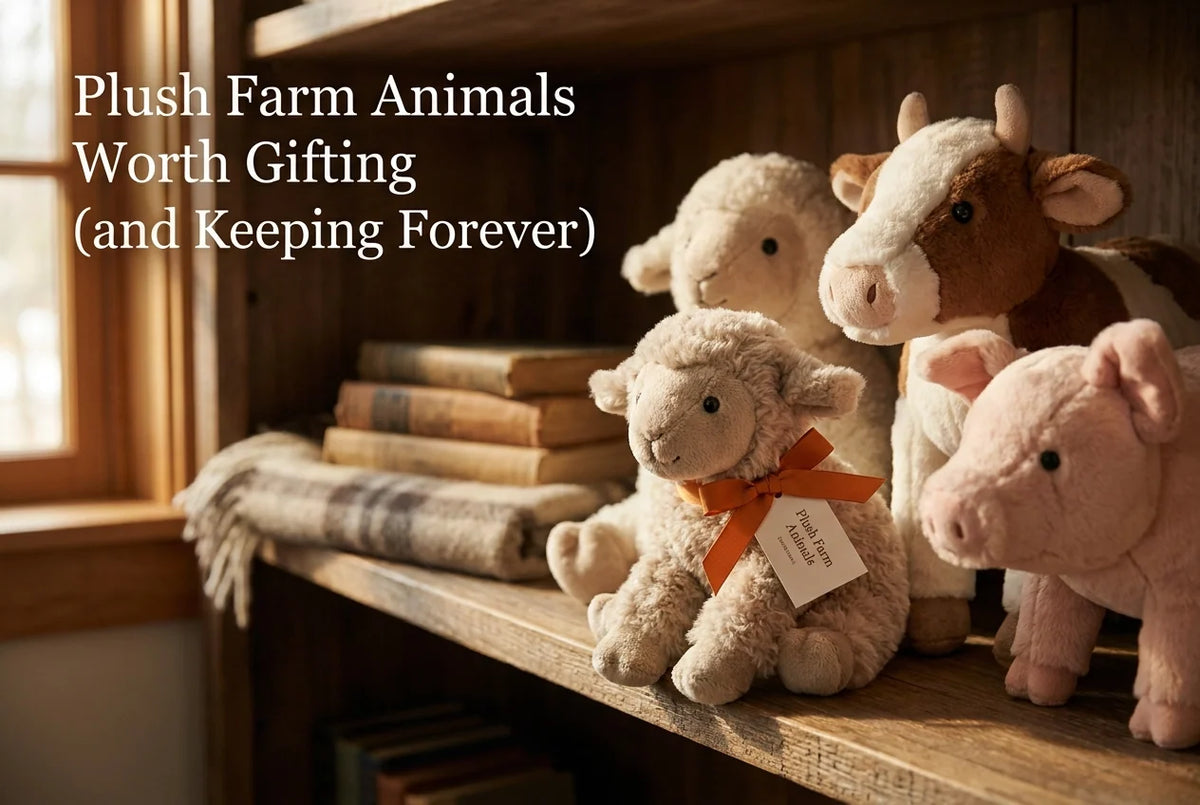
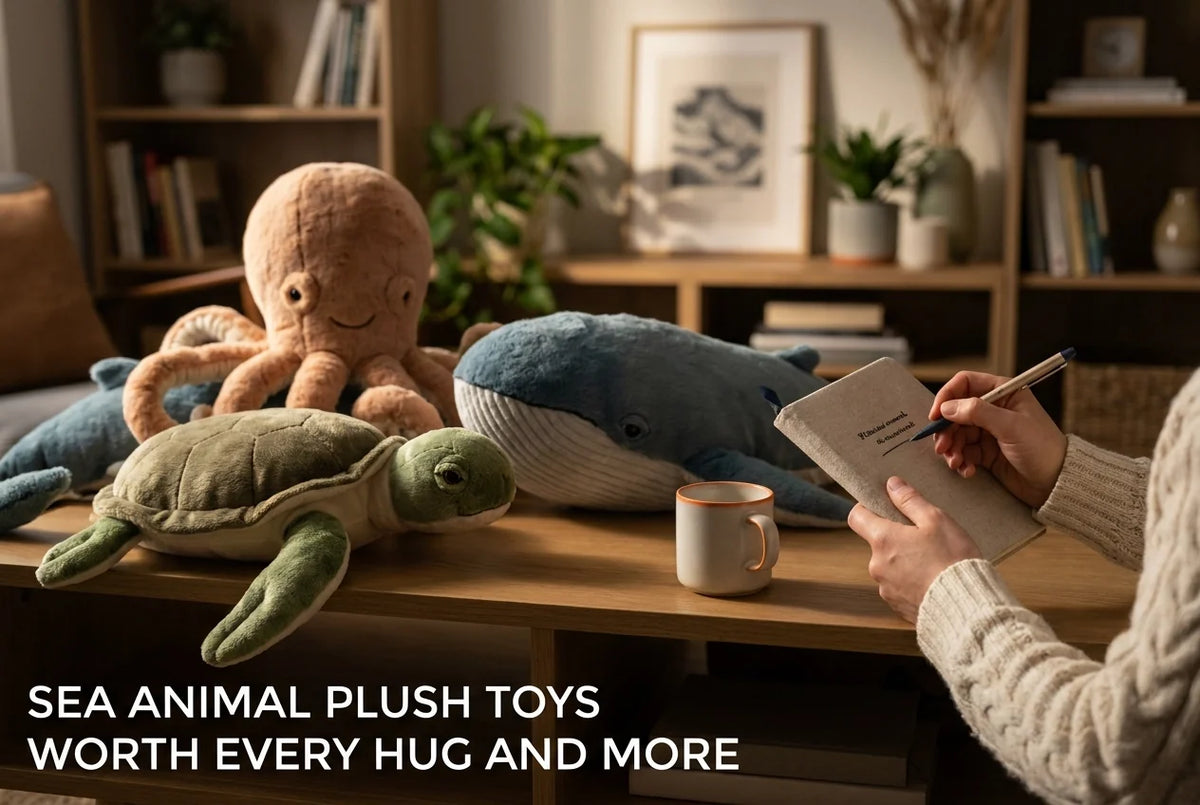
A reliable wholesaler should offer enough variety to build a cohesive category across multiple price points, while also carrying specialist products that generic distributors simply do not stock. For Australian retailers, this means looking beyond standard teddy bears and seeking suppliers who carry lifelike Australian native animals such as koalas, kangaroos, and wombats, as well as sea animal and farm animal ranges. These niche categories perform strongly in tourism retail, zoo gift shops, and specialty toy stores, and they are genuinely difficult to source from mass-market importers. According to guidance from wholesale stuffed animal evaluation resources, product variety, quality, and uniqueness are among the top criteria buyers should use when shortlisting suppliers.
3. Clarify Minimum Order Quantities Before Approaching a Supplier
MOQ thresholds vary considerably across the Australian wholesale soft toy market. Smaller specialty wholesalers may accommodate orders as low as 6 to 12 units per SKU, which suits independent gift retailers and boutique operators. Larger distributors often require 50 to 100 units or more per line, which aligns better with chain retailers or high-volume gift shop groups. Knowing your realistic volume requirements before making first contact avoids wasted time and misaligned expectations on both sides.
4. Request Full Wholesale Pricing and RRP Guidance Upfront
Wholesale pricing tiers in the Australian plush toy market can allow retailers to achieve margins of 50 to 100 percent on recommended retail price, depending on category positioning, channel type, and volume commitments. These margins are not automatic; they depend on selecting the right price tier and understanding how RRP guidance aligns with your specific retail environment. Always request a complete wholesale price list before placing an opening order, and confirm whether the supplier provides RRP guidance or leaves pricing entirely to the retailer's discretion.
5. Evaluate Onboarding Processes and Account Support Quality
The administrative experience of becoming a new stockist reveals a great deal about how a wholesaler operates day to day. Look for a clearly defined stockist application process, transparent credit or prepayment terms, and a named account contact rather than a generic orders inbox. Suppliers who coordinate sampling, safety certification documentation, labelling requirements, and shipping end-to-end demonstrate a level of operational maturity that reduces friction throughout the relationship. Australian wholesale buyers should also confirm that products meet the mandatory toy safety standard AS/NZS 8124 and comply with the ACCC's product safety framework; these are non-negotiable qualifications for any supplier entering the Australian retail supply chain.
Australian Toy Safety and Compliance: What Wholesale Buyers Must Verify
Compliance is not a box-ticking exercise for Australian wholesale toy buyers; it is a direct line of business protection. Soft toys sold in Australia must meet the mandatory standard AS/NZS ISO 8124, which is divided into three enforceable parts: mechanical and physical properties (covering small parts, sharp edges, and cord hazards), flammability requirements for materials like plush fabric and filling, and chemical migration limits for heavy metals including lead, cadmium, mercury, and chromium. Every wholesaler supplying the Australian market should be able to produce compliance documentation upon request, including laboratory test reports confirming each product has been assessed against all three applicable parts of the standard. Critically, importers are legally required to retain conformity records for a minimum of ten years after the last supply of a product, meaning a credible wholesaler will have documentation readily available, not scrambling to locate it.
The Australian Competition and Consumer Commission (ACCC) enforces toy safety requirements under the Australian Consumer Law, and retailer liability extends well beyond the point of purchase. Stocking a non-compliant product exposes a retailer to potential product recalls, significant financial penalties, and reputational damage that can persist long after a product is removed from shelves. Claiming ignorance of compliance requirements provides no legal protection if a child is harmed. Before finalising any wholesale agreement, procurement teams should also search the ACCC's product recall database at productsafety.gov.au to confirm that no current recall notices are active against the supplier's product range.
The Pre-Order Compliance Checklist
Before placing a first order with any soft toy wholesaler, buyers should ask four non-negotiable questions. First, have all products been tested against AS/NZS ISO 8124, including the specific provisions for toys targeting children under 36 months, which require small parts testing using a prescribed 16 mm diameter cylinder? Second, are test reports available from a NATA-accredited laboratory or a laboratory with a recognised international equivalent? Third, is age-grading clearly marked on all packaging in English, alongside the supplier's name, address, and a traceable batch or date code? Fourth, are any products currently listed on ACCC recall notices? A wholesaler who cannot answer all four questions confidently warrants serious reconsideration.
Long-established wholesalers carry a measurable compliance advantage. Suppliers with decades of operating history in the Australian market have navigated multiple revisions to toy safety legislation and have built systematic approaches to testing, documentation, and traceability into their standard processes. This institutional knowledge is difficult to replicate quickly. Bocchetta Plush Toys, designed in Australia since 1948, represents precisely this kind of embedded compliance culture, where regulatory adherence is part of the operational DNA rather than a reactive response to enforcement pressure.
Retailers sourcing plush toys for therapeutic, healthcare, or aged care environments carry additional verification responsibilities beyond standard toy safety compliance. Soft toys used in hospital wards, aged care facilities, or NDIS-funded therapeutic settings may need to meet infection control protocols, surface-washability requirements, or material safety standards specific to clinical environments. These requirements fall outside the AS/NZS ISO 8124 framework and should be verified directly with the relevant facility management or procurement authority before orders are placed.
Emerging Trends Reshaping What Wholesale Buyers Should Be Stocking
The plush toy category is not static, and wholesale buyers who treat it as a set-and-forget product range risk stocking ranges that no longer reflect where consumer demand is heading. Five trends in particular are reshaping purchasing decisions at the wholesale level right now.
1. Sustainability credentials are becoming a baseline expectation, not a premium differentiator. Consumer preference is shifting measurably toward plush toys produced with organic cotton, recycled polyester fill, and responsibly sourced materials. What was once positioned as a premium niche is rapidly becoming the benchmark against which all suppliers are evaluated. Wholesale buyers should proactively ask suppliers about material provenance, manufacturing ethics, and any third-party certifications before committing to a range. Buyers who stock sustainable options now are positioning ahead of the curve rather than reacting to it after the shift becomes unavoidable.
2. Customisation and personalisation are commanding stronger margins in tourism and gift retail. Regionally specific and branded plush products are outperforming generic alternatives in gift shops, museum stores, and tourism-dependent retail environments. Native Australian animals, including koalas, kangaroos, and wombats, carry built-in emotional resonance with both domestic and international visitors, and buyers who can source these categories from wholesalers offering customisation options consistently report stronger sell-through rates and higher average transaction values. Per the 2026 wholesale stuffed animal retailer guide, personalised emotional support items and character-specific products are among the top-performing wholesale categories for boutique and e-commerce buyers this year.
3. Therapeutic and wellness plush is expanding well beyond children's wards. Aged care facilities, mental health services, and corporate wellness programmes represent a largely untapped institutional procurement channel for wholesale soft toy buyers. The emotional comfort function of plush toys is increasingly recognised across life stages, and institutional buyers in these sectors often operate on repeat procurement cycles with lower price sensitivity than conventional retail. Wholesale buyers with the right supplier relationships and compliance documentation are well-placed to explore this vertical as a meaningful revenue diversification opportunity.
4. The kidulting trend is commercially validated and accelerating. Adult buyers now represent 28% of all toy sales globally, and research into the adult plush and kidult wellness trend confirms that 75% of Gen Z consumers view plush toys as therapeutic tools for anxiety and stress relief. U.S. adults spent USD 1.8 billion on plush toys in Q1 2025 alone. For wholesale buyers supplying specialty toy stores, gift retailers, and online curators, stocking premium and lifelike plush is no longer a niche consideration; it is a high-margin mainstream opportunity backed by measurable spending data.
5. Premiumisation is separating growth-stage products from commoditised imports. The Global Stuffed and Plush Toys market is estimated to reach USD 23,719.77 million by 2032, and industry trend analysis for 2025 and 2026 consistently identifies authenticity, emotional connection, and lifelike design quality as the attributes driving category growth. Buyers who prioritise these values when selecting wholesale partners are building ranges that compete on emotional resonance rather than price alone, which is the more defensible long-term position in an increasingly crowded market.
The Australian Soft Toy Wholesale Landscape: Key Players and How They Differ
The Australian wholesale soft toy market is served by a relatively small pool of established suppliers, each occupying a distinct position across channels, price points, and product philosophies. For retail buyers evaluating their options, understanding how these players differ is as important as knowing they exist.
Wild Republic Australasia
Wild Republic operates locally through an Australasian entity and has built a meaningful trade presence, with 774 wholesale buyers engaging through the Fieldfolio platform alone. Its range spans plush toys, novelties, souvenirs, and baby products, with a minimum order of $300 for AU/NZ shipping. The brand's strength lies in wildlife and educational toy segments, with a natural foothold in zoo gift shops, museum stores, and nature-focused retail. However, buyers should note that while Wild Republic includes Australian iconic animals such as koalas and kangaroos, the broader catalogue skews toward global wildlife species. For retailers whose customer base specifically seeks authentically Australian animal representations, this distinction matters at the point of sale.
Korimco
Korimco is an Australian-owned company trading for over 30 years and self-positioned as the market leader in plush in Australia. Its strength is breadth and distribution reach, serving supermarkets, department stores, toy chains, and mass-market retail channels with substantial local stock-holding and a 24/7 ordering system. The company has also moved into eco-focused lines using 100% recycled polyester stuffing. For volume buyers prioritising range width and logistical reliability, Korimco is a capable option. That said, its less specialised product mix makes it a weaker fit for premium gift retail, tourism channels, or buyers seeking a tightly curated collection of lifelike, design-led animals.
The Case for Heritage and Specialisation
Market consolidation is an active dynamic in Australian wholesale. With 33 verified soft toy suppliers listed on Australia's Wholesale Directory, the supplier ecosystem is moderately sized rather than oversaturated, and smaller or newer entrants face increasing pressure from buyers who prioritise supply chain stability. In this environment, wholesalers with documented heritage and consistent quality hold a structural advantage. Bocchetta Plush Toys, established in 1948 and verified on Australia's Wholesale Directory, represents one of the most historically grounded plush wholesalers operating in this market. Its focus on lifelike Australian iconic animals and premium craftsmanship occupies a differentiated position that volume-focused or globally-oriented competitors are structurally less equipped to replicate. For buyers supplying gift shops, tourism retail, or collector-oriented customers, that specificity carries real commercial value.
Why Bocchetta Plush Toys Is One of Australia's Most Trusted Soft Toy Wholesalers
When wholesale buyers evaluate soft toy wholesalers Australia wide, supplier longevity is increasingly a decisive factor. Bocchetta Plush Toys was established in 1948, bringing more than 75 years of continuous wholesale supply experience to every buyer relationship. In a market where consolidation trends are pushing retailers toward stable, proven partners rather than newer entrants, that depth of institutional history carries genuine commercial weight. Bocchetta is not simply old; it is operationally refined, with supply chain processes, compliance frameworks, and product development cycles shaped by decades of real-world wholesale experience.
An Australian-Designed Range That Cannot Be Replicated
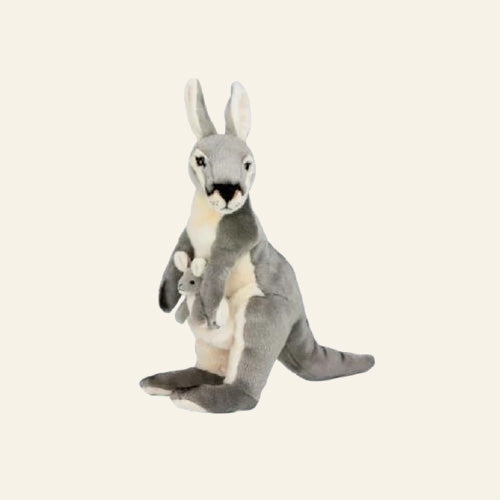
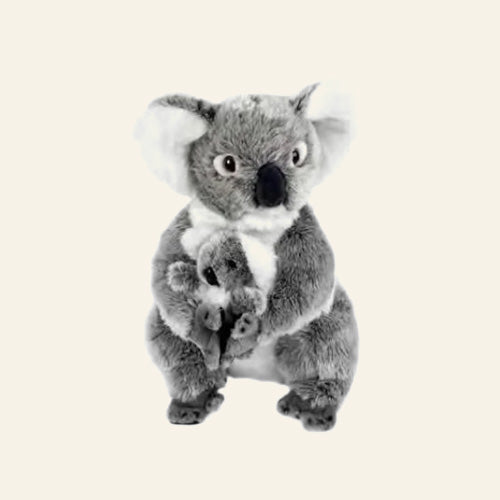
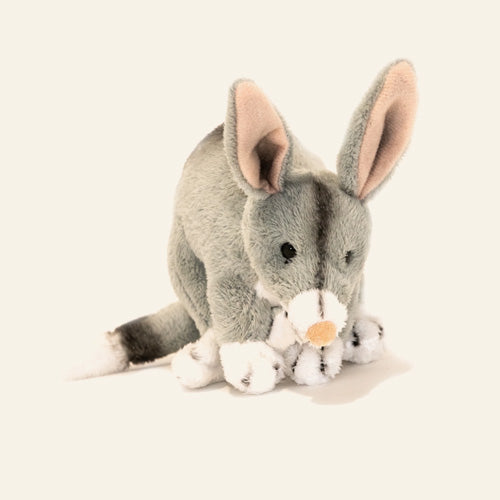
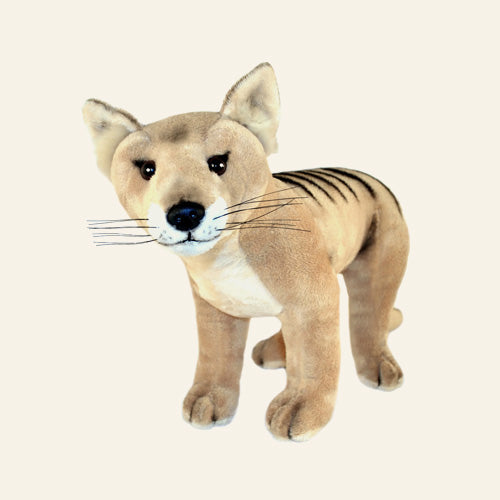
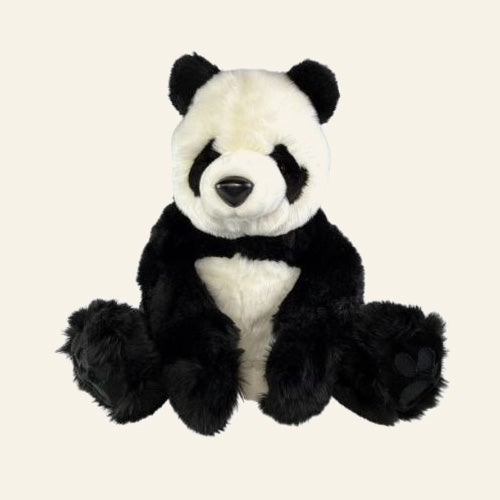
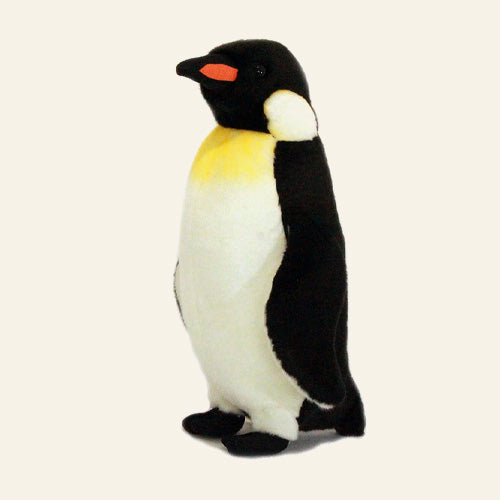
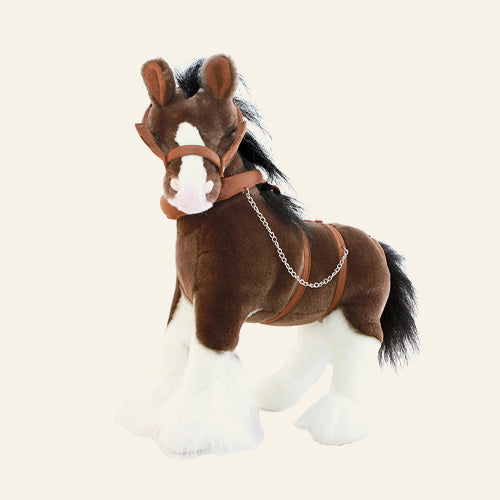
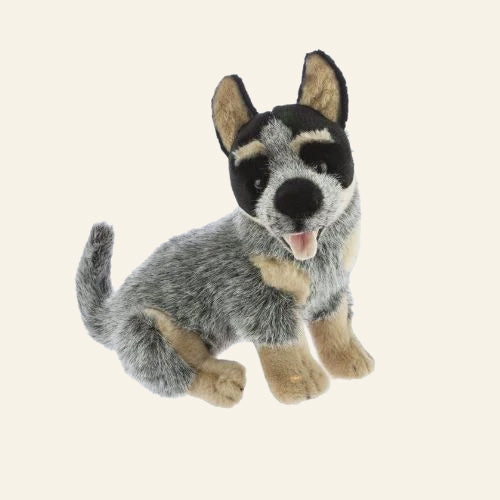
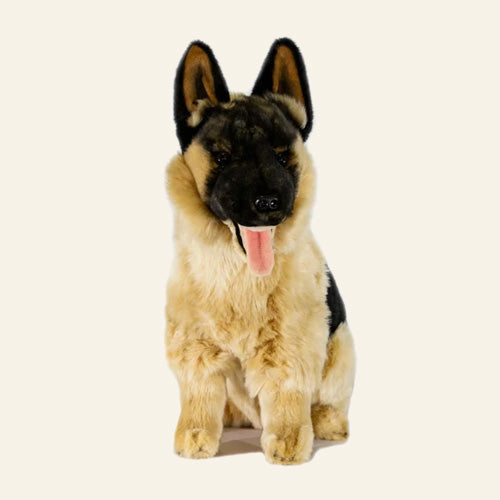
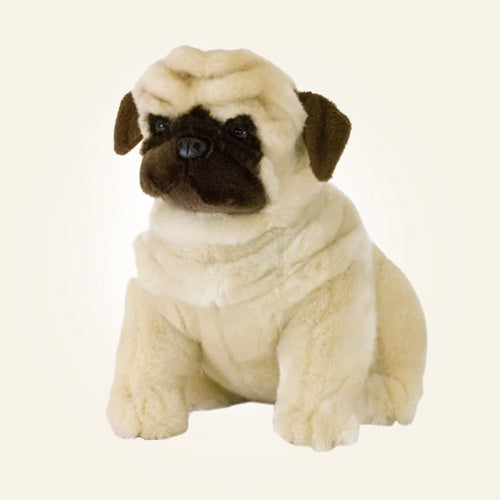
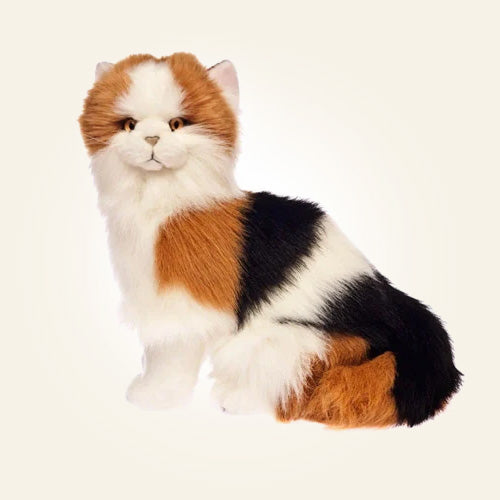
The design origin of Bocchetta's range is one of its most defensible competitive attributes. Each product is conceived and designed in Australia, with development timelines that can run up to two years from initial concept through to production. A single plush toy may incorporate up to 50 individual pieces of fabric, with materials specifically commissioned to meet Bocchetta's quality standards. The resulting range spans koalas, kangaroos, wombats, echidnas, quokkas, and platypus alongside cats, dogs, sea animals, wild animals, and farm animals. This breadth, anchored by authentic Australian-native fauna, gives wholesale buyers a cohesive and differentiated assortment. The range currently sits at approximately 220 active SKUs, kept fresh through continuous new introductions and updates. For buyers seeking lifelike plush animals that resonate with animal enthusiasts and collectors, this is a range built with purpose rather than assembled for volume.
Channel Fit, Compliance, and Wholesale Infrastructure
Bocchetta's Australian-fauna focus makes it a natural primary supplier for tourism retail, zoo gift shops, wildlife park stores, and airport retailers, channels where international and domestic visitors actively seek authentic representations of native species. Beyond tourism, Bocchetta operates as an NDIS Registered Provider and supplies aged-care facilities, hospitals, and special needs schools, opening institutional wholesale verticals that most soft toy suppliers cannot credibly access.
From a compliance standpoint, Bocchetta's factories are registered with the ICTI Ethical Toy Program, and the business meets Australian toy safety requirements across its range. The stuffing supply chain diverts more than 90,000 tonnes of waste from landfill through 100 percent recycled fill, aligning with the sustainability benchmarks increasingly required by gift and specialty retailers.
Wholesale buyers can access Bocchetta directly through its dedicated wholesale portal, with a minimum order threshold of $350 for Australian and New Zealand shipments. Orders are picked, groomed, packed, and dispatched from the Burleigh Heads warehouse on Queensland's Gold Coast. For wholesale buyers prioritising supply chain reliability, ethical credentials, and a product range with genuine shelf differentiation, Bocchetta represents one of the most credible long-term partnership options among soft toy wholesalers operating in Australia today.
How to Become a Bocchetta Wholesale Stockist
Bocchetta's wholesale programme welcomes retail businesses across a broad spectrum of channels, making it accessible to a wide range of prospective stockists. Specialty toy stores, gift and souvenir shops, tourism operators, zoo and wildlife park retailers, department stores, and online retailers are all eligible to apply. This channel diversity reflects the versatility of Bocchetta's catalogue, which spans Australian iconic animals, wild animals, sea creatures, and farm animals, giving buyers across very different retail environments the ability to build a relevant and commercially viable product selection.
The process begins by submitting a wholesale enquiry through Bocchetta's dedicated wholesale page. Prospective stockists are encouraged to outline their business type, the channel they operate in, and an approximate indication of expected order volumes. This initial conversation is designed to give the wholesale team enough context to respond with relevant guidance, rather than directing every enquiry toward a generic price list. The wholesale access point is prominently featured across the Bocchetta website, reflecting the significance of the B2B channel to the business.
Before reaching out, prospective stockists should gather some foundational business information to streamline the onboarding conversation. Having your ABN on hand, along with details of your store, platform, or distribution channel, helps the wholesale team assess fit quickly. It is also useful to identify in advance which product categories align most closely with your customer base, whether that is Australian animals for a tourism gift shop or sea and wild animals for a zoo retail outlet. This preparation allows the team to recommend an opening order structure suited to your specific context.
Once onboarding is underway, new stockists typically receive a full wholesale price list and access to the current catalogue before placing an opening order. Buyers exploring a long-term supply relationship, rather than a single purchase, are encouraged to raise questions about reorder processes, account terms, and any tourism-specific or co-branded product opportunities during the initial enquiry. For a deeper look at what makes Bocchetta's range stand out before approaching the team, the Plush Toys Australia guide provides useful context on product quality and design philosophy.
Choosing the Right Soft Toy Wholesaler for Your Australian Retail Business
Selecting the right wholesale partner comes down to five criteria that experienced retail buyers return to consistently: trading heritage and supply chain stability, current AS/NZS compliance documentation, product differentiation beyond generic imports, transparent MOQ and pricing tiers, and channel-specific range relevance. A wholesaler who performs well across all five reduces procurement risk substantially while giving retail buyers the range depth and margin structure needed to compete in a category that is growing more sophisticated each year.
The strategic case for acting now is straightforward. Australia's toy market carries a dedicated growth forecast running from 2026 through to 2034, and consumer appetite for premium, locally designed plush is rising in parallel with the global "kidult" trend and sustained demand from gift, tourism, and specialty retail channels. Retailers who formalise wholesale relationships at the start of this forecast window secure preferred pricing, restocking reliability, and range exclusivity before competition for the best product lines intensifies.
Bocchetta Plush Toys brings over 75 years of Australian heritage, a lifelike and distinctly local product range, and the compliance credentials that informed buyers require. Buyers ready to evaluate Bocchetta as a wholesale partner are invited to submit a stockist enquiry via bocchettaplushtoys.com to receive a full wholesale catalogue and pricing guide.
Conclusion
Choosing the right soft toy wholesaler in Australia does not have to be a guessing game. By focusing on four core pillars, product safety certifications, competitive pricing structures, realistic minimum order quantities, and reliable shipping logistics, you position your retail business for long-term success.
The suppliers you partner with directly shape your customer experience, your margins, and your brand reputation. Taking time to evaluate options carefully is always worth the effort.
Now it is time to put this knowledge into action. Start by auditing your current supplier relationships, identify any gaps, and research at least three new wholesale partners using the criteria outlined in this guide. The right partnership is out there waiting for you. With the right framework in hand, you are fully equipped to stock smarter, sell more, and build a plush product range your customers will love.