What to Look for in a Plush Kangaroo (And Why It Matters)
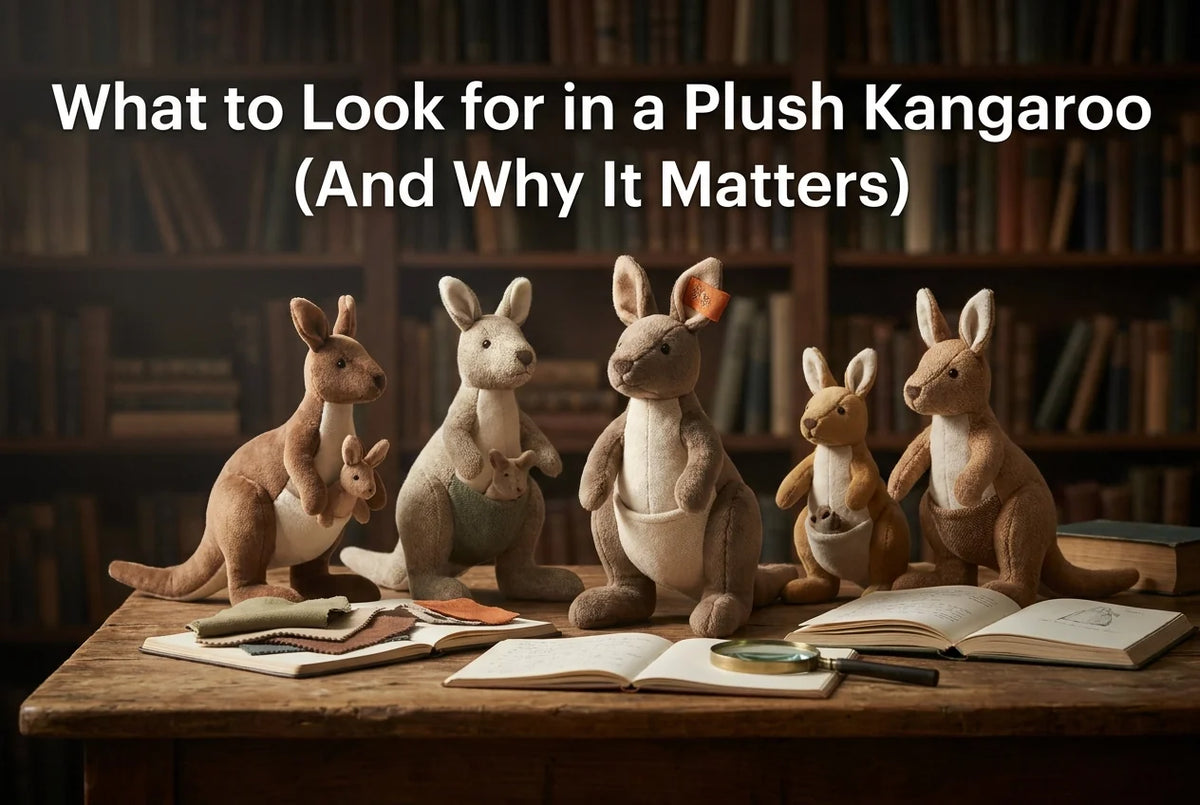
So you're thinking about buying a plush kangaroo. Maybe it's a gift for a kid, maybe you spotted one online and fell a little in love, or maybe you're starting a collection and want to make sure you're choosing something worth keeping. Whatever brought you here, you're not alone. The plush toy market is booming right now, and kangaroos have carved out a special place in it as iconic, culturally meaningful, and just genuinely charming.
But not all plush kangaroos are created equal. There's a big difference between a soft, well-crafted toy that holds up over time and a cheaply made version that loses its shape after a few washes. Knowing what to look for makes all the difference, whether you're shopping for a toddler, a collector, or someone who simply appreciates a quality keepsake.
In this guide, we'll walk you through everything you need to know. From what makes a plush kangaroo worth buying, to how Australian-designed toys compare to mass-market alternatives, you'll finish reading with a clear sense of exactly what to look for.
Why Plush Kangaroos Are Having a Moment

If you've noticed more plush kangaroos popping up in gift shops, online wishlists, and collector displays lately, there's a real story behind that. The global stuffed and plush toy market is valued at USD 12.1 billion in 2026 and is forecast to reach USD 24.6 billion by 2036, growing at a 7.3% CAGR. That's not a fad; that's a category with serious staying power.
Closer to home, Australia's toy market surged +13% in the first half of 2026, a strong signal of consumer appetite in the region. That momentum flows directly to Australian-designed plush animals, which carry exactly the kind of authenticity shoppers are actively seeking.
Kangaroos sit in a particularly strong position within this trend. As one of the world's most recognisable national symbols, they're a natural fit for the growing market for culturally-specific plush collectibles. Whether bought as a genuine piece of Australiana or as a wildlife-inspired keepsake, a kangaroo carries meaning that a generic teddy simply doesn't.
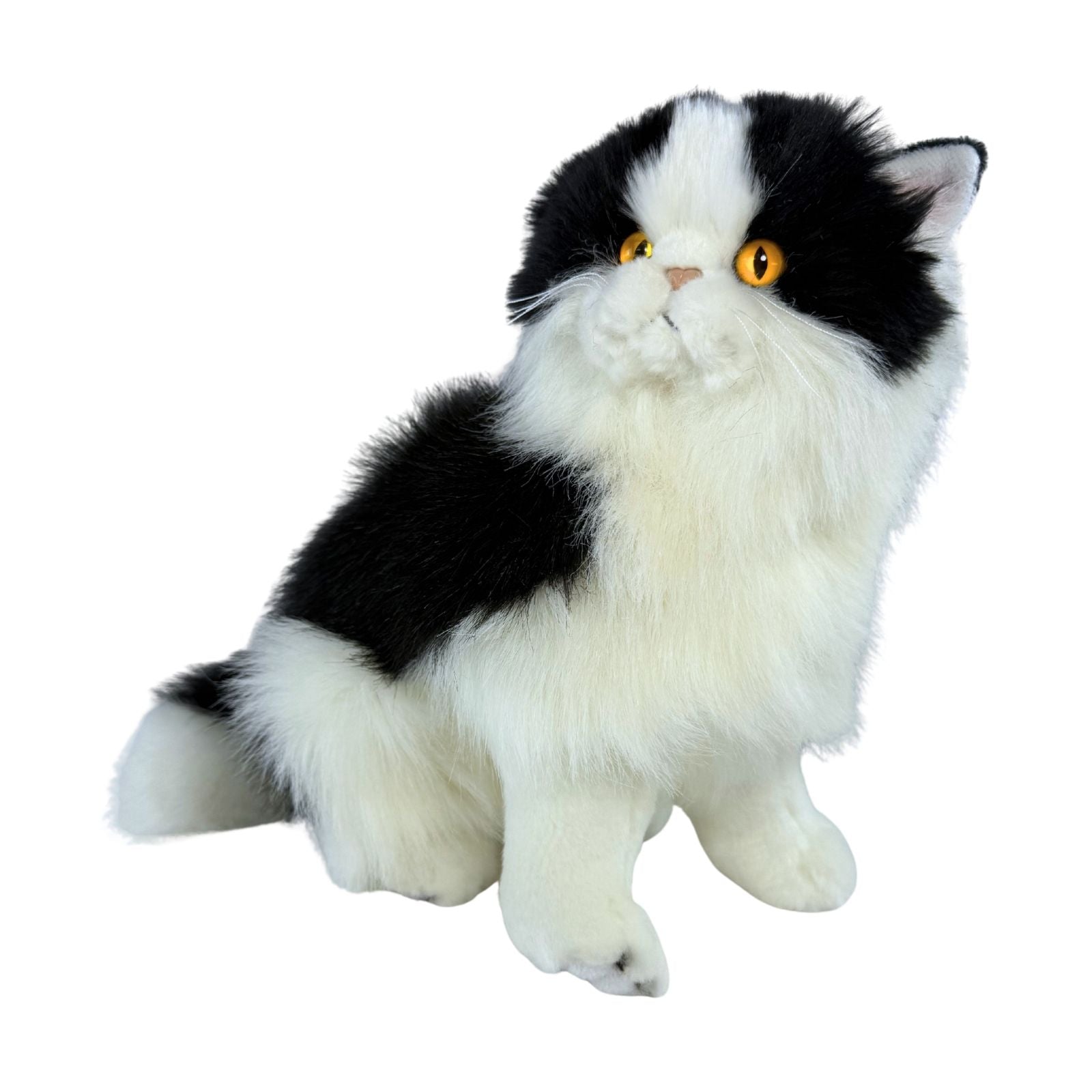
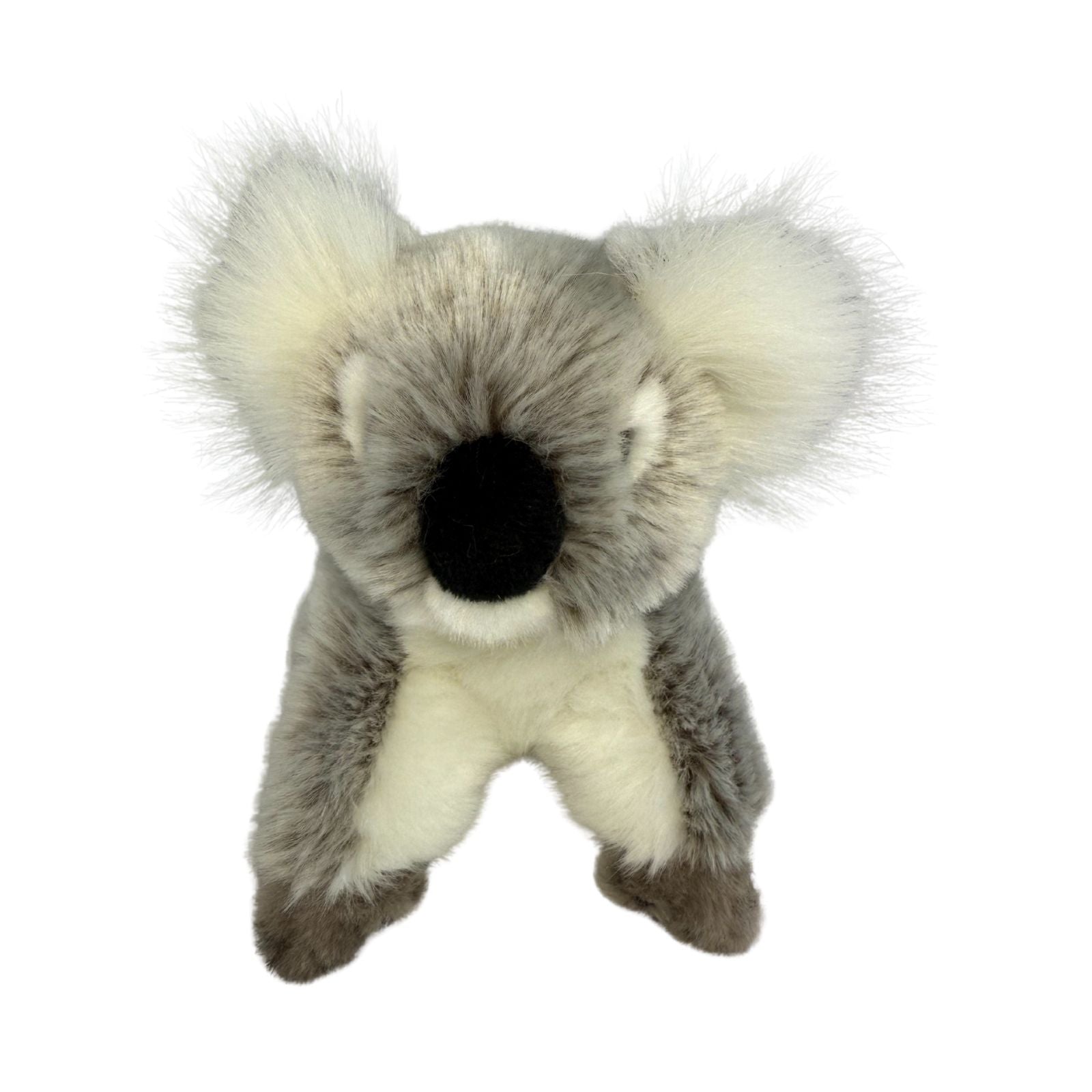
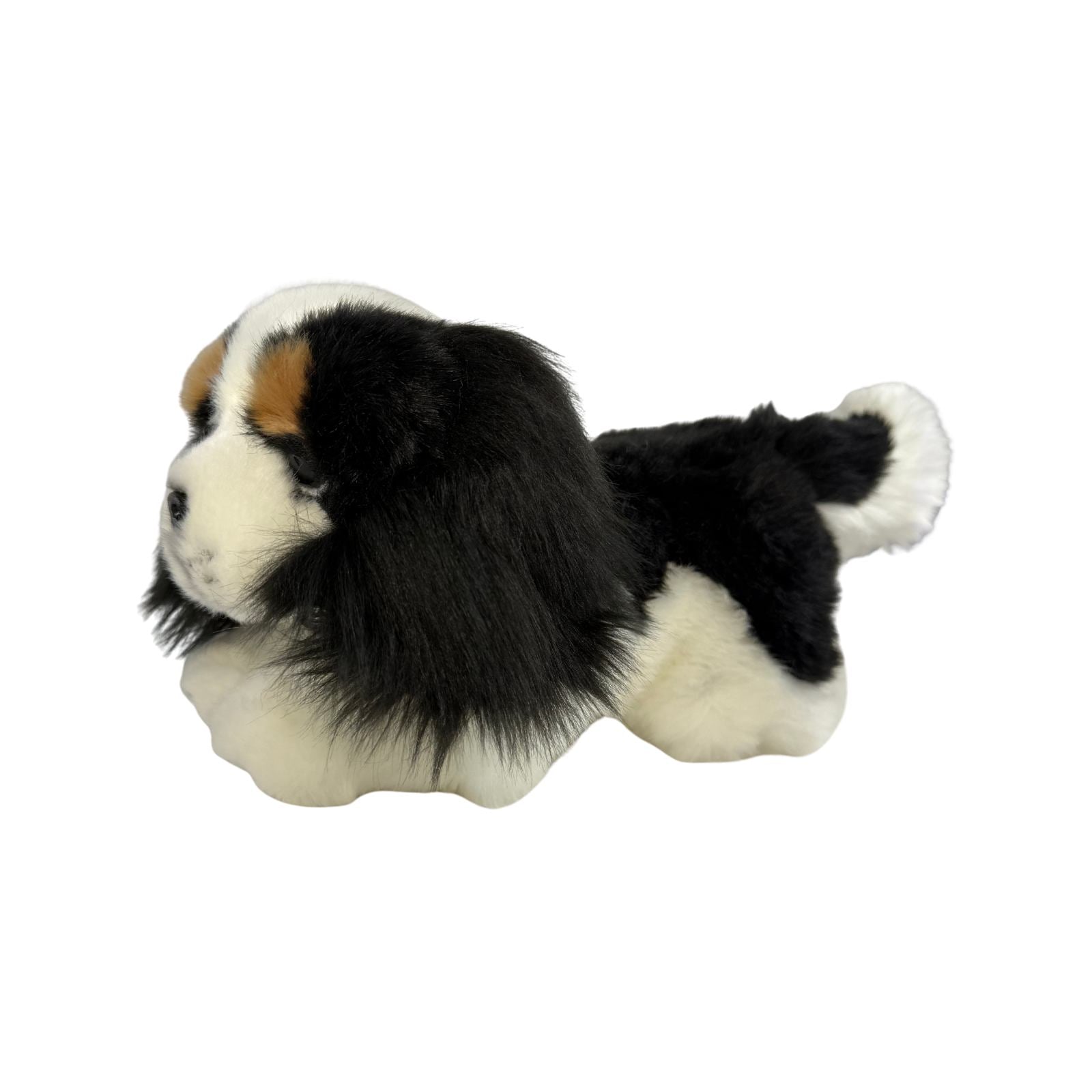
Demand is also coming from several directions at once. Families are buying them for children, travellers are picking them up as authentic Australian souvenirs, collectors are adding them to curated wildlife displays, and gift-givers are choosing them when they want something genuinely distinctive. If you're curious what's available, browsing the kangaroo plush range at Bocchetta gives a good sense of how lifelike and varied these pieces can be.
It's also worth noting that traditional stuffed animals account for 28.4% of product type demand across the entire plush category, confirming that classic, well-crafted plush animals remain the dominant consumer choice despite trends toward licensed characters and novelty formats.
Bocchetta Plush Toys: The Australian-Designed Standard
So where does all that market momentum actually land? For Australian-designed plush kangaroos, one brand has been quietly setting the standard longer than most others have existed.
Creating joy with lifelike plush animals has been Bocchetta's focus since 1948, giving the brand 78 years of accumulated craft knowledge. That kind of heritage is genuinely rare in any product category, let alone one as feel-driven as plush toys.
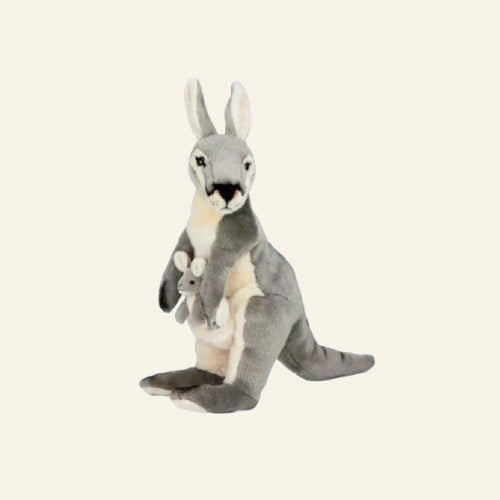
The difference shows in the design. Bocchetta's kangaroo range is developed in Australia, drawn from real native wildlife rather than a stylised interpretation built thousands of kilometres away. That proximity matters. The proportions, coat colouring, and texture reflect how Australian kangaroos actually look, not a flattened, cartoon-adjacent version simplified for faster production. The result is a plush kangaroo that reads as unmistakably real rather than generically "animal-shaped."
Each piece is sculpted to capture the kangaroo's natural posture and character, the alert ears, the distinctive hind legs, the quiet stillness of an animal at rest. That level of attention makes Bocchetta's range as compelling to adult collectors as it is to children who simply want something that feels true to life.
Very few brands are pairing a credible Australian-authenticity story with the kind of design history Bocchetta holds. That gap is real, and it matters to buyers who want more than a toy off a generic shelf.
The range also spans different needs. Whether you are buying for a newborn, a primary-school-aged child, or a collector building a wildlife display, Bocchetta offers kangaroo styles scaled to suit each use case specifically.
What Actually Makes a Quality Plush Kangaroo
So what separates a genuinely impressive plush kangaroo from a disappointing one? Once you know what to look for, the differences become obvious fast.
Facial sculpting. This is the quickest quality tell. Premium plush kangaroos have proportionally accurate snouts, correctly placed eyes, and defined ear shapes. Budget versions default to cartoon simplifications that look nothing like the real animal.
Fabric and pile depth. Synthetic materials make up 54.7% of plush toy material demand, so most kangaroos you find will be synthetic. That is not a problem in itself; the issue is that synthetic quality varies enormously. A deep, well-textured pile feels soft and looks visually rich. A thin, flat pile looks cheap and wears quickly.
Stitching and seam construction. For a toy that will be handled daily by a child, seam integrity is critical. Tight, reinforced stitching at stress points keeps a plush together over years of play. Loose or shallow seams split under pressure.
Weight and posability. A well-weighted kangaroo sits naturally upright without flopping. This matters for children playing with it and for collectors displaying it. Poor weight distribution is a common shortcut in lower-quality pieces.
Colour accuracy. Real kangaroos have gradient coats, lighter underbellies, and subtle tonal variation. A quality plush replicates those tones faithfully. A flat, single-colour coat signals a manufacturer working from a rough approximation rather than genuine reference.
Bocchetta's Australian animals collection is a useful benchmark for what all five of these criteria look like when they are done well together.
Choosing a Plush Kangaroo for a Child
Once you know what quality looks like, buying for a child adds another layer of practical considerations.
Safety certification comes first, full stop. Look for compliance with ASTM F963 toy safety requirements, which covers secure eye and nose attachments and non-toxic materials. In Australia, check that the toy meets Australian/New Zealand standard AS/NZS 8124. If a product listing does not mention safety compliance, that is a red flag worth taking seriously.
Size to age is a simple rule to follow. Smaller, lightweight kangaroos suit infants and toddlers, where a large plush can be cumbersome or even a hazard in a cot. For children aged three and up, a larger kangaroo offers more satisfying play, easier to carry around, easier to pose, and easier to love.
A joey-in-pouch design earns its keep with young children. The removable joey turns a plush into an interactive experience, encouraging kids to act out nurturing behaviour and build stories around the kangaroo's instinct to protect her young. It is a small design detail that genuinely extends play time.
Check washability before you buy, not after the first spill. Some plush toys are surface-clean only, which is frustrating when you have a toddler involved. Confirm whether the kangaroo is safely machine washable before it becomes a beloved daily companion.
There is an educational upside worth mentioning. A lifelike plush kangaroo creates natural, low-pressure moments to talk about Australian wildlife and animal behaviour. If your child has taken to Australian animals, Bocchetta's plush bears collection shows the same lifelike approach applied across species, worth browsing if you want to build on that interest.
Plush Kangaroos as Collectibles: What Serious Buyers Look For
Buying for a child and buying as a collector are two very different decisions. If you're in the latter camp, here's what actually matters.
Anatomical accuracy comes first. Serious collectors evaluate plush animals on how faithfully they reflect the real creature. That 78-year heritage, covered in the brand section, translates directly into anatomical depth that mass-market manufacturers rarely match.
The piece needs to stand on its own. Literally. A well-constructed plush kangaroo should hold a natural seated or upright pose without a stand propping it up. If it collapses the moment you position it on a shelf, it loses most of its display value.
Provenance adds meaning. Collectors pay attention to where a piece comes from and who made it. Knowing a plush kangaroo was designed in Australia by a brand operating continuously since 1948 gives it a narrative that a generic import simply cannot offer. That story is part of the object's value.
Species accuracy separates good from great. Red kangaroos and grey kangaroos are physically distinct animals. The large hind feet, muscular tail base, and alert ear angle of a red kangaroo are specific details a knowledgeable collector will notice. Pieces that blur these differences read as generic; pieces that honour them read as considered.
Visual impact matters for content creators, too. For influencers and creators building Australian wildlife content, the visual fidelity of a lifelike plush naturally reads better on camera than a cartoon-style alternative, detail and realism translate directly to credibility on screen. The same logic applies to Bocchetta's Australian cockatoo collection, where species fidelity translates directly into stronger visual storytelling.
Why a Plush Kangaroo Makes a Genuinely Thoughtful Gift

Collectors aren't the only ones who benefit from choosing thoughtfully. A plush kangaroo also happens to be one of the most versatile gifts you can buy.
It fits naturally across a surprising range of occasions: birthday presents, baby shower gifts, Australia Day celebrations, travel souvenirs, and wildlife-themed events all make complete sense. Very few gift options span that many contexts without feeling forced.
For international buyers, the cultural dimension matters even more. An Australian-designed plush kangaroo carries genuine meaning that a generic imported version simply doesn't. If someone loves Australia, has visited, or dreams of going, receiving something designed here, by a brand rooted in this country, resonates on a different level than a look-alike bought anywhere else in the world. It's the difference between a souvenir and a token.
There's also the question of longevity. A well-made plush kangaroo from a brand with real craft behind it is the kind of gift that lives on a shelf for decades. Parents buy plush toys as gifts in 82% of households, but not all of those toys survive the first year. Quality construction changes that equation significantly.
Gifting a lifelike animal to someone who genuinely loves wildlife also signals that you paid attention. It reflects their interests specifically, not just a generic soft toy grabbed at the last minute. That specificity is what makes a gift feel considered. If they love Australian animals, it's worth browsing Bocchetta's quokka collection alongside the kangaroo range for an equally meaningful option.
Finally, accessibility is no longer a barrier. With the majority of quality plush toy purchases now happening online, great options are available to buyers anywhere in the world, no specialty store required.
Australian-Designed Plush vs. Mass-Market Alternatives
Gift quality matters, but so does understanding what separates a genuinely worthwhile plush kangaroo from something that just looks the part on a shelf.
As covered in the quality section, mass-market trade-offs, cartoon proportions, flat colouring, generic snout shapes, are the direct result of optimising for production speed over accuracy.
Australian-designed plush animals carry a different kind of knowledge. Designers who grew up seeing kangaroos at wildlife parks, in backyards, and across the landscape bring an intuitive familiarity with how these animals actually hold themselves, the angle of the ears, the weight in the tail, the tonal variation across the coat. That cultural fluency is genuinely hard to replicate from a design studio on the other side of the world. Bocchetta's Australian dingo plush collection shows how that same local design sensibility extends across native species, not just kangaroos.
Rethink how you calculate value. A $20 plush replaced every year costs more over a decade than a premium piece bought once. A quality plush kangaroo that holds its shape, colour, and emotional resonance for 20 years is the better financial decision, not just the sentimental one.
As noted earlier, very few brands combine genuine Australian credentials with a multi-decade heritage, that scarcity remains the key differentiator.
For collectors and gift-givers, the "designed in Australia with care" narrative adds meaning that production-line sourcing simply cannot. The object carries a story, and that story is part of what makes it worth keeping.
Finding the Right Plush Kangaroo Starts with Knowing What You Value
So, what actually separates a plush kangaroo worth keeping for life from one that ends up in a charity bin? Four things: lifelike design, Australian authenticity, construction durability, and brand heritage.
Your use case sharpens the decision further:
Families should prioritise safety certifications, washability, and play features like a joey pouch
Collectors should focus on anatomical accuracy and provenance
Gift-givers should weigh cultural meaning and emotional durability above all else
The market data covered earlier only reinforces the case, this is a category where quality investment holds its value.
Bocchetta's kangaroo range is a natural starting point for anyone who has been nodding along to the criteria above. Bocchetta's kangaroo range meets all four signals in one place, from soft first toys to display-worthy collector's pieces.
The right plush kangaroo is simply one you will still love in 20 years. That does not happen by accident. It happens when you choose a brand that has spent nearly eight decades getting the details right.
Conclusion
A great plush kangaroo is never just a toy. It is a piece of Australian design heritage, a gift with genuine emotional staying power, and, for collectors, a purchase that rewards discernment for decades.
Choose on those four non-negotiables and you get something worth keeping.
Start with Bocchetta's kangaroo range. Browse the full collection, compare designs, and choose with confidence. Nearly 80 years of Australian craftsmanship means the hard work of getting it right has already been done. Your job is simply to find the one that feels like it was made for you.