What Makes a Plush Animal Truly Realistic? 7 Things to Look For
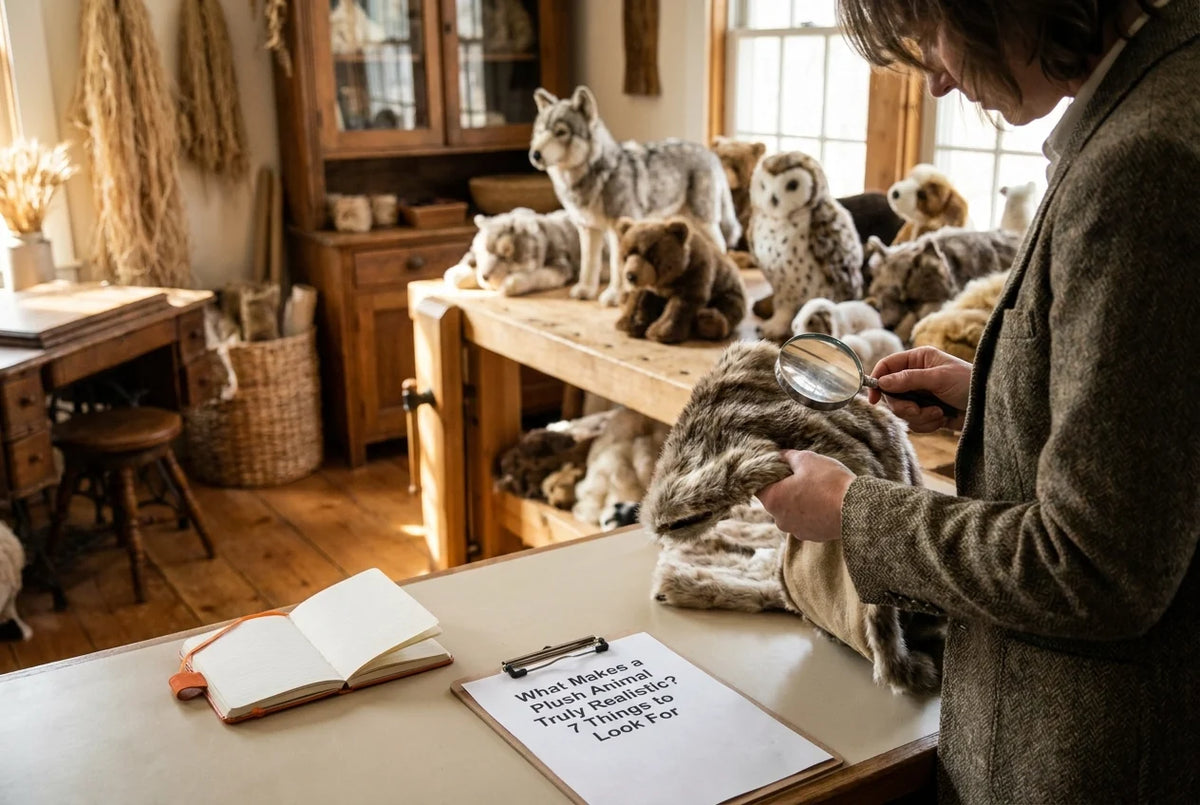
There is something undeniably special about picking up a stuffed animal and feeling like you are holding the real thing. Maybe it is the way the eyes seem to carry a little life, or how the fur feels layered and textured rather than flat and uniform. Whatever it is, realistic plush animals have quietly moved from novelty to a full-blown obsession for kids and adults alike.
And the numbers back this up. The global plush toy market was worth nearly $19.44 billion in 2024 and is on track to hit $33.71 billion by 2035. People are not just buying cute anymore. They want accurate, detailed, and meaningful.
But if you are new to the world of realistic plush animals, it can be hard to know what separates a truly impressive piece from one that just looks good in a product photo. That is exactly what this guide is here for. We will walk you through seven specific things to look for, from sculpting and fur texture to safety standards and sustainability, so you can shop with confidence and find something genuinely worth keeping.
Why Realism in Plush Animals Is Having a Moment
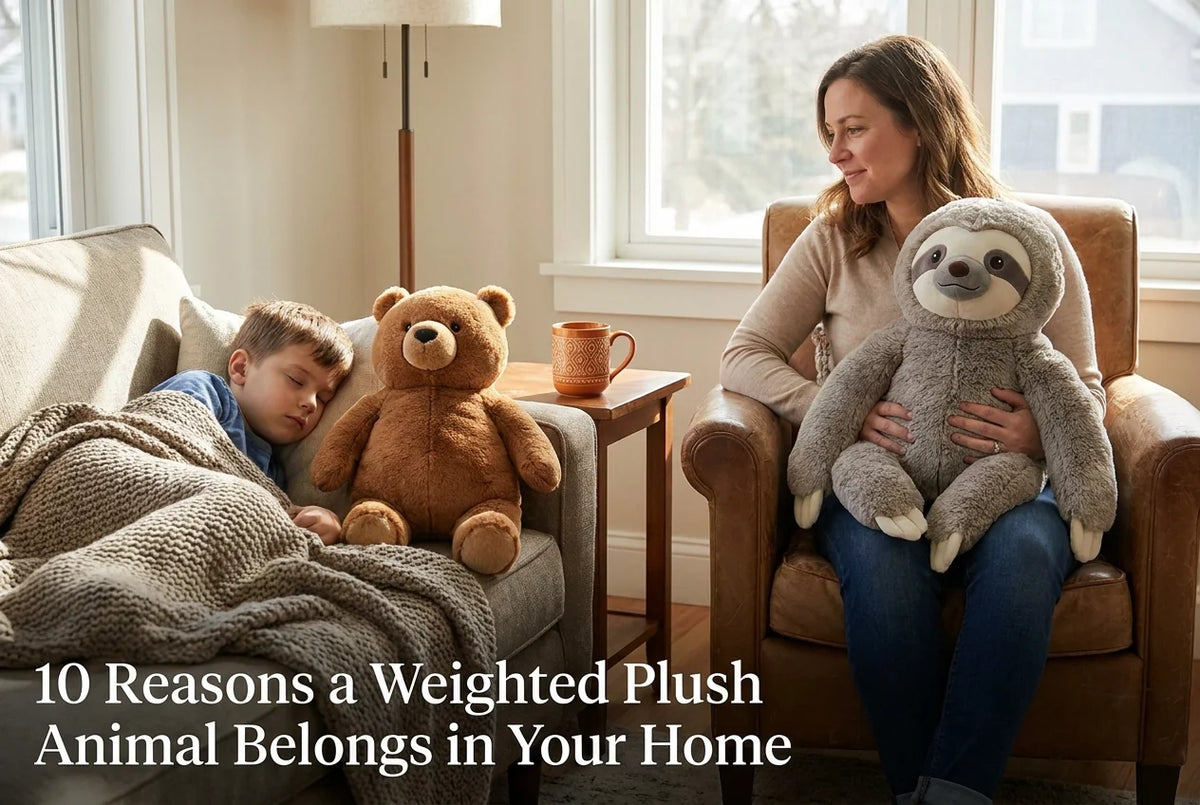
Those growth numbers reflect something structural. A big part of that growth comes from adults. Buyers aged 12 and up are one of the fastest-expanding segments, purchasing lifelike plush for emotional well-being, home décor, nostalgia, and companionship. The category has genuinely shifted from juvenile commodity to everyday comfort object.
That shift reflects a broader appetite for quality over novelty. Consumers increasingly want objects that are meaningfully made, not mass-produced and forgettable. Realistic plush animals sit squarely in that space.
There is also a growing educational dimension. For species like koalas, wombats, and kangaroos, a well-crafted plush may be the closest encounter most children ever have with Australian wildlife. That tactile connection builds genuine awareness in ways that screen-based content simply cannot replicate.
Heritage matters here too. Brands like Bocchetta Plush Toys, creating joy with lifelike plush animals since 1948, carry over 75 years of design refinement and craftsmanship consistency. That kind of longevity is not something newer entrants can shortcut their way to.
1. Species-Accurate Sculpting and Proportions
So what actually separates a realistic plush from a generic stuffed animal? It starts with the bones, so to speak.
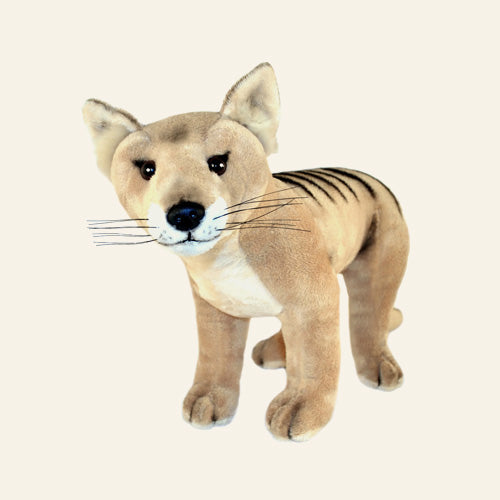
True anatomical accuracy means getting body proportions, limb ratios, ear shape, snout length, and tail structure right for the specific species, not a softened, round approximation designed to look universally cute. A wombat has a broad, low-slung body and a distinctively flat snout. An echidna carries its weight differently from a hedgehog. These details are not decorative, they are the difference between a convincing animal and a vague impression of one.
High-quality makers work from zoological references or direct observation, which matters most for animals that aren't globally familiar. A toy designer working from secondhand internet images of a quokka will miss what someone who has actually seen one in Western Australia will catch immediately.
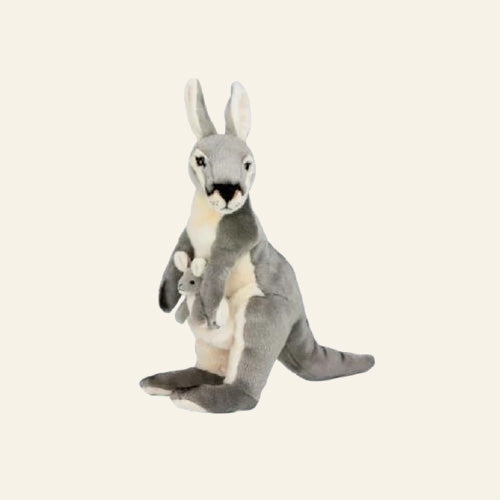
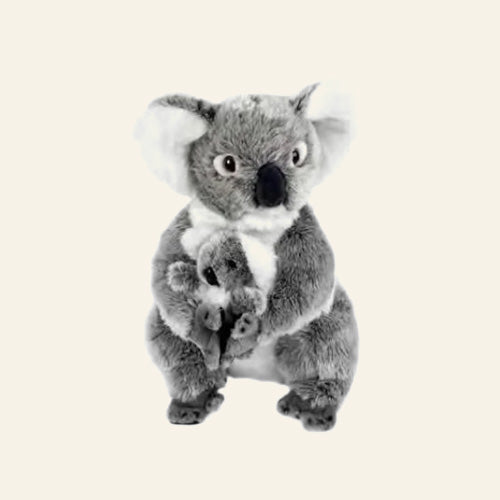
This is where Bocchetta's Australian design heritage is a genuine advantage. Designing in Australia means the country's iconic animals, from koalas to kangaroos to wombats, are referenced from life rather than borrowed imagery. The result is visible in the details: ear tufting, claw structure, and body stockiness that mass-market versions consistently get wrong.
Collectors and animal enthusiasts notice all of this before purchasing. Browse lifelike wild animal plush and the species specificity becomes obvious at a glance. Buyers who know their animals will scrutinise proportions closely, and accuracy is what earns their trust.
2. Facial Expression and Eye Detailing
Proportions get you in the door. The face is what makes you stay.
Eyes are the single most important feature in perceived realism. Glass or acrylic eyes with genuine depth, light reflection, and iris detail create an immediate sense of life that printed or flat safety eyes simply cannot match. When you look at a well-made realistic plush and feel like it's looking back, that's the eyes doing the work.
Beyond the eyes, facial expression sculpting matters enormously. Subtle details like brow ridge shaping, nose texture, and muzzle contouring communicate an animal's temperament and personality. A plush that feels warm and expressive triggers emotional connection; one with a blank, uniform face does not. This is why the emotional well-being appeal of realistic plush is so directly tied to facial quality.
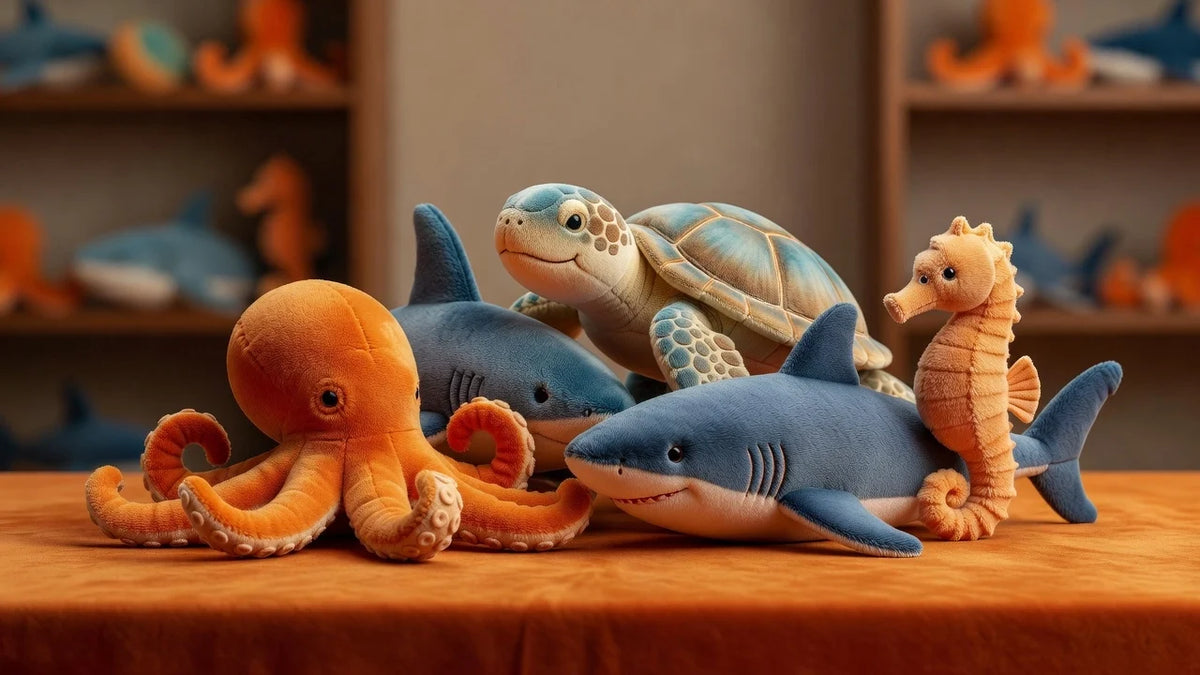
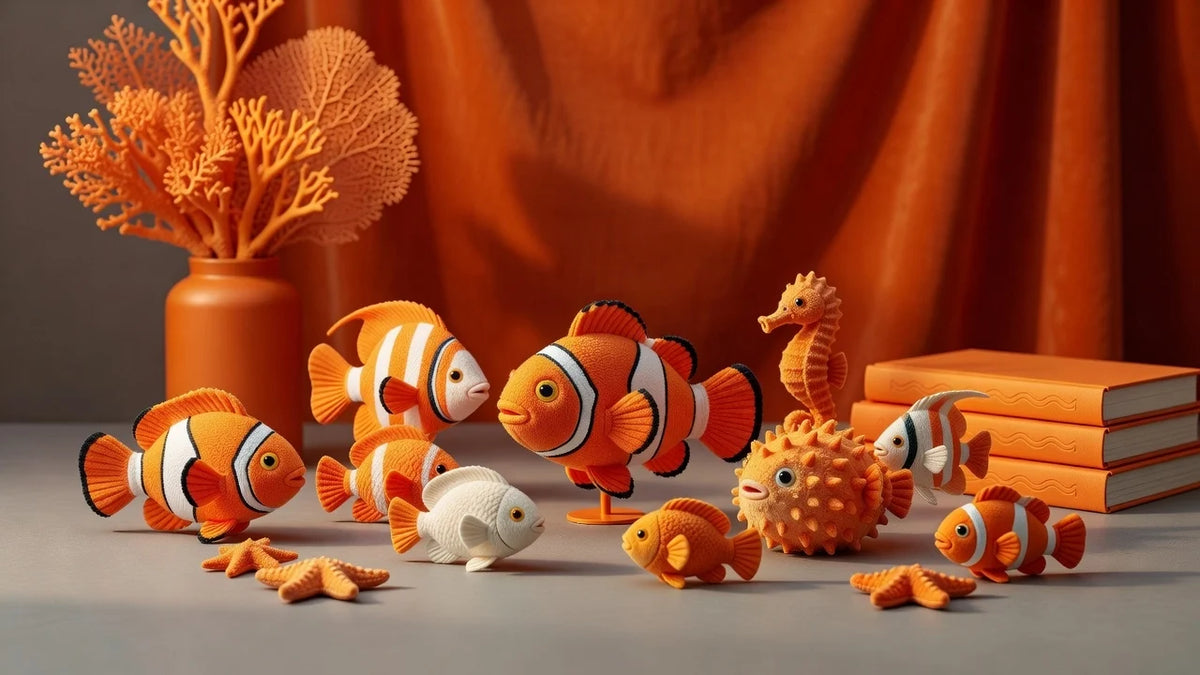
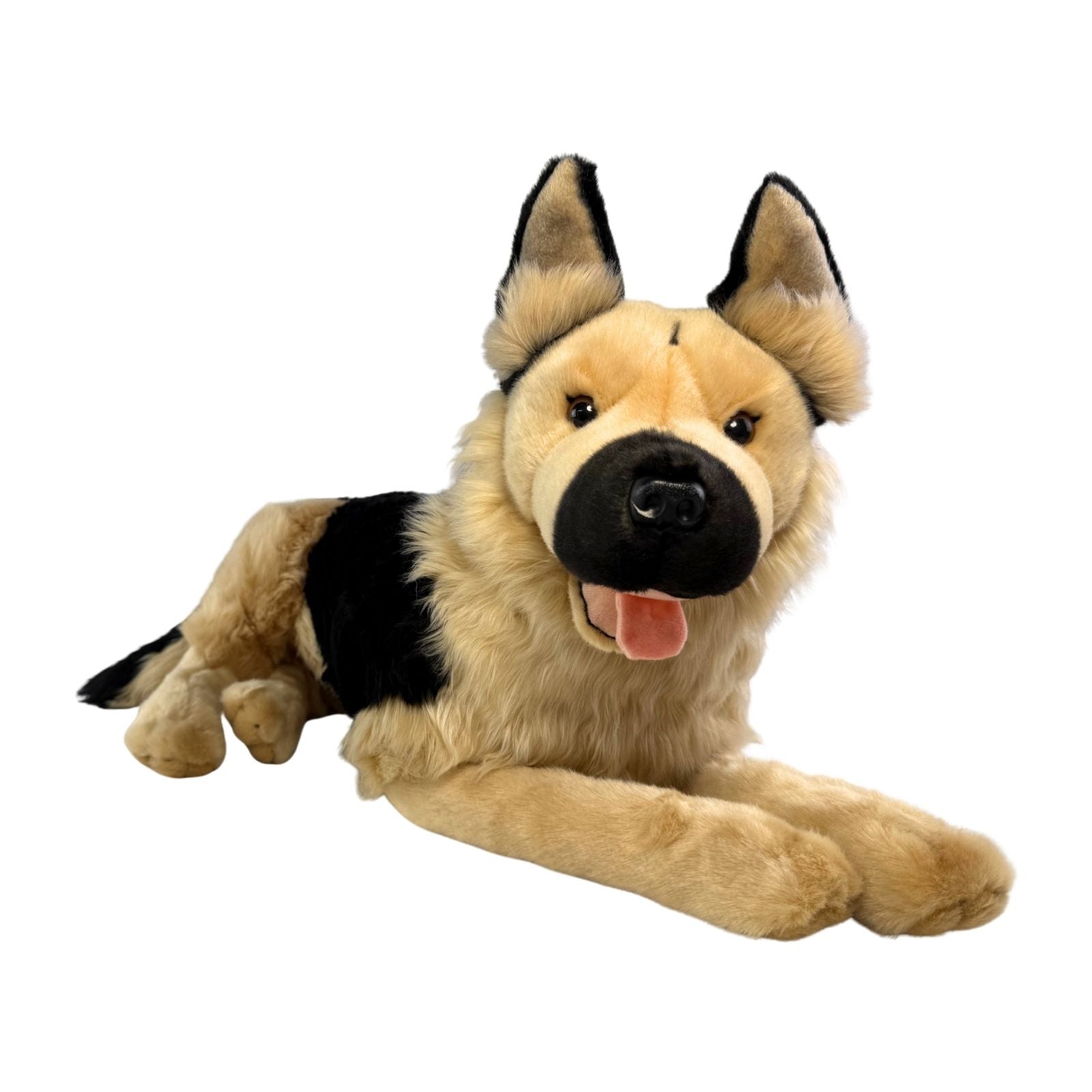
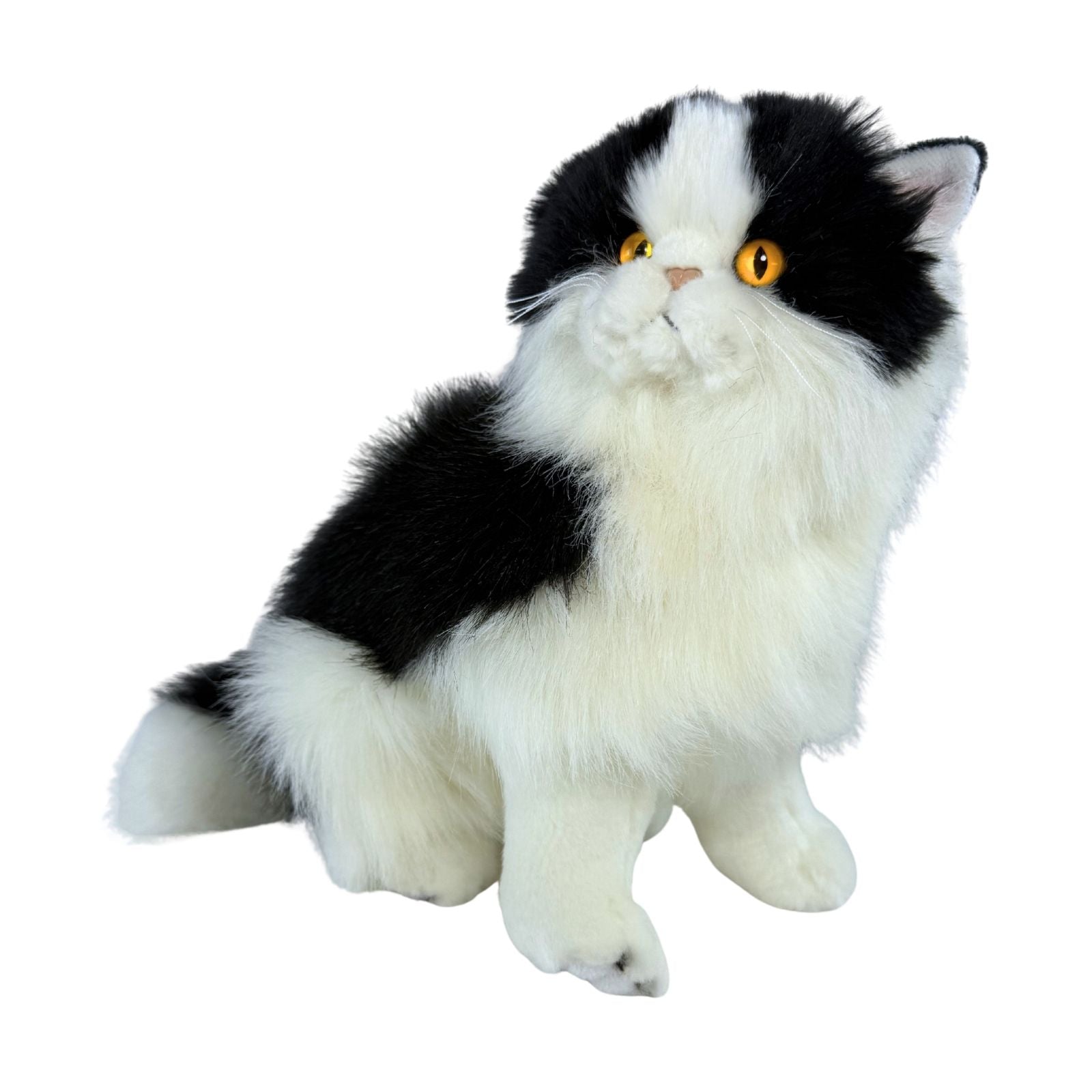
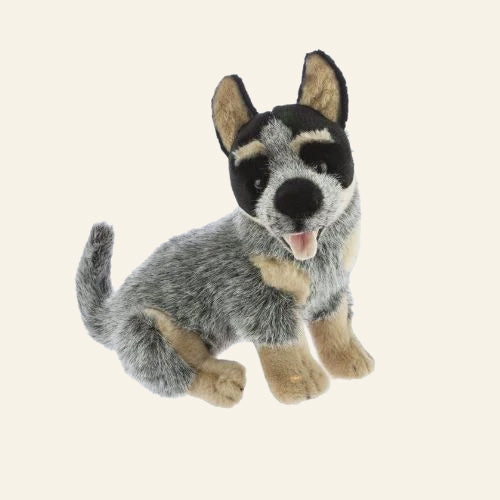
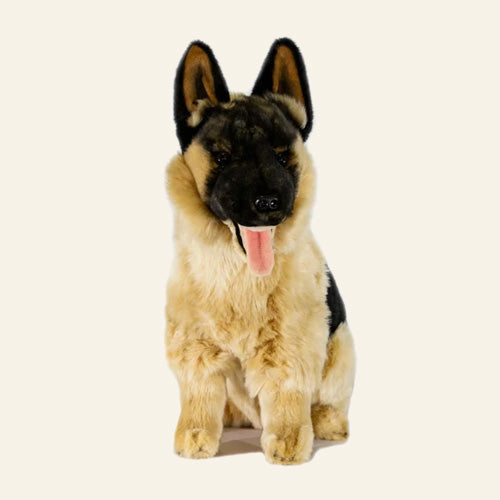
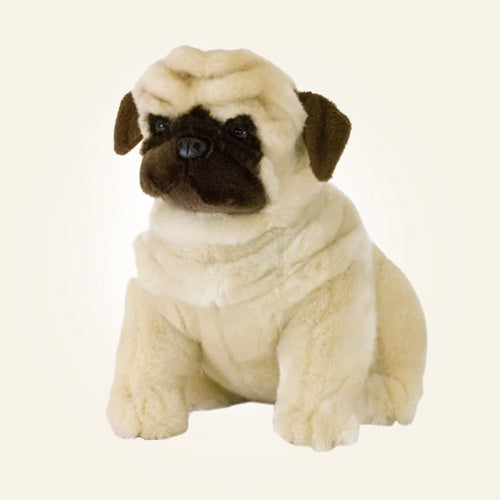
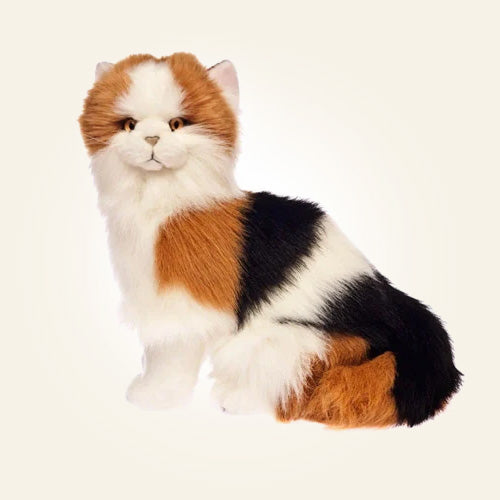
For cats, dogs, and big cats especially, whisker placement, nostril shaping, and lip line definition separate a premium piece from a standard stuffed toy. These details reward close inspection and signal the level of care applied across the whole design. You can see a similar commitment to facial character in Bocchetta's fish and sea creature collection, where species-specific facial expression carries across very different animal anatomy.
Practical tip for online shopping: zoom into product imagery and assess the eyes first. Crisp iris detail and facial symmetry are the quickest indicators of overall craftsmanship quality.
3. Fur Texture, Pile Length, and Layering
Beyond eyes and facial detail, the coat is where realism becomes tactile.
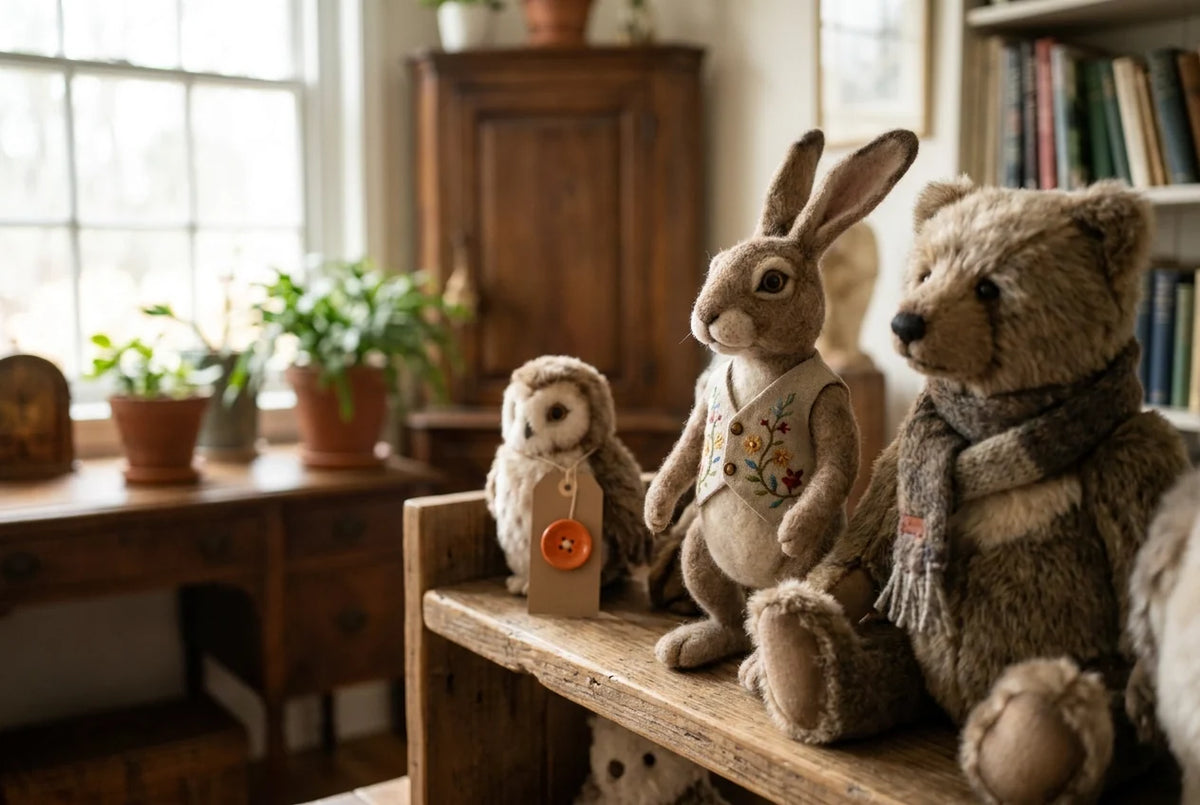
Quality realistic plush animals use varied pile lengths across the body. Shorter, denser fur covers the face and paws for precision; longer, softer pile flows across the body and tail for natural volume. A single uniform texture is a tell-tale sign of lower-quality construction.
Fabric composition makes a significant difference. High-quality pieces use soft acrylic, polyester, or blended fabrics engineered to approximate real animal fur. Uniform velboa, the flat, velvety material common in budget plush, cannot replicate that natural variation in weight and texture.
Colour depth matters too. Tip-toning or airbrushing, where fur fibre ends are shaded to a lighter or darker tone, replicates the gradient colouring found in real animal coats. Without it, fur looks flat and one-dimensional.
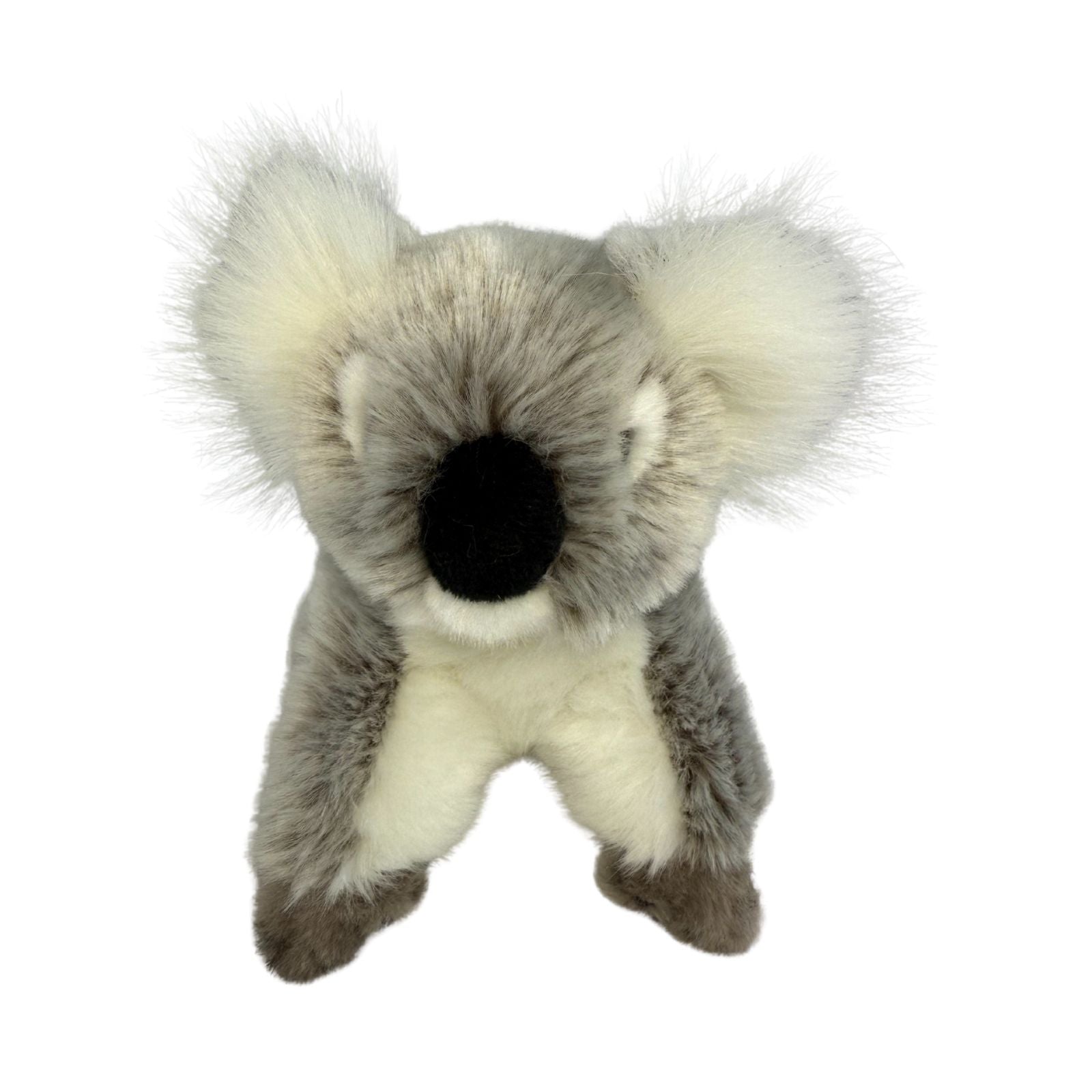
For Australian animals, this distinction is especially important. A koala's coat is coarse and dense; a kangaroo's is shorter and smoother. Quality brands design each species accordingly rather than applying a one-size-fits-all pile.
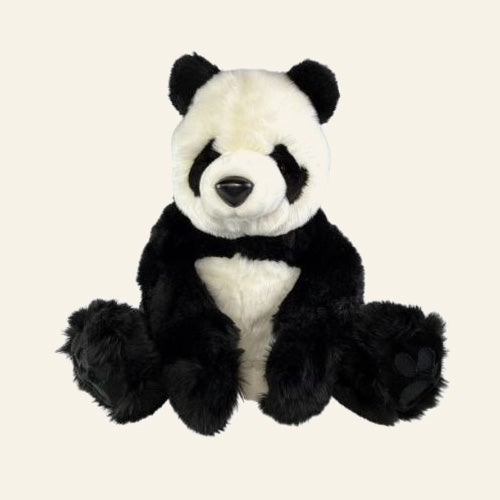
Fur quality consistently ranks among the most commented features in online buyer reviews. If you can visit a retailer in person, always touch before you buy. For online shopping, look for close-up product photography and check whether the brand shows visibly distinct coat textures across species, as you'll find across Bocchetta's bear collection where species differences in fur are clearly reflected in each design.

4. Poseable Joints and Weighted Fill
Beyond fur texture, how a plush animal sits, rests, or settles into your hands is just as telling of its quality.
Collector-grade realistic plush animals feel meaningfully different from standard stuffed toys the moment you pick one up. Weighted fill, typically pellets packed into the paws or base, gives the animal a grounded, settled quality that mirrors how a real animal rests. That physical presence is hard to describe until you've felt it, but you'll notice it immediately.
Poseable limb joints take this further. Articulation points that allow you to reposition the legs or shift the pose let a plush animal sit, recline, or be cradled naturally. This matters particularly to adult collectors and content creators who photograph or display their pieces. A lifelike elephant posed in a natural resting position, for example, reads entirely differently on a shelf than one frozen in a single stiff stance.
This also explains their growing appeal among therapeutic and emotional support applications.
When you're shopping online, use product photography as your guide. Multiple images showing the animal in varied, natural-looking positions are a reliable signal that the design genuinely supports realistic posing, rather than a single staged shot that hides a rigid interior.
5. Sustainable and Ethically Sourced Materials
What goes inside a realistic plush matters just as much as what's on the outside. Beyond poseability and weighted fill, the materials themselves are increasingly part of the purchasing decision.
Sustainability is now one of the strongest forces reshaping the plush toy market heading toward 2035. Buyers increasingly research brand values before purchasing, and sustainability focus is identified as a primary market driver in the plush toy sector. Recycled fill and responsibly sourced fabrics are increasingly common markers of sustainability-conscious production.
Fair labour standards and transparent supply chains are growing considerations too, especially among adult collectors who see a purchase as an endorsement of a brand's values.
Heritage brands tend to have an advantage here. Long-established manufacturing relationships and quality control systems make it far easier to verify where materials actually come from, compared to newer brands scaling quickly without those foundations in place.
When you're researching a purchase, treat brand transparency as a filter. Look for specific mentions of material certifications, fabric sourcing, and production origin. Vague claims about being "eco-conscious" without detail are a red flag; genuine sustainability commitments show up in specifics, not slogans.
6. Species Range and Geographic Uniqueness
Material quality matters, but what an animal is matters just as much as how it's made.
Most global plush brands default to the same short list: dogs, cats, bears, and a handful of generic jungle animals. That leaves enormous gaps for anyone searching for something genuinely distinctive.
Australian wildlife sits squarely in that gap. Koalas, kangaroos, wombats, quokkas, and Tasmanian devils are recognised and loved worldwide, yet they're rarely reproduced with real anatomical accuracy by brands that have never been close to one. The difference shows immediately in the details.
Bocchetta Plush Toys' focus on Australian iconic animals, alongside realistic sea animal plush, farm animals, and wild animals, gives buyers access to a species depth that's genuinely hard to find elsewhere. That breadth matters whether you're a collector building a curated shelf or a parent choosing an educational gift.
On the educational front, a realistic wombat or echidna opens a conversation about Australian habitats, conservation, and biodiversity that a generic teddy simply cannot. It's a tangible introduction to wildlife that exists on the other side of the world.
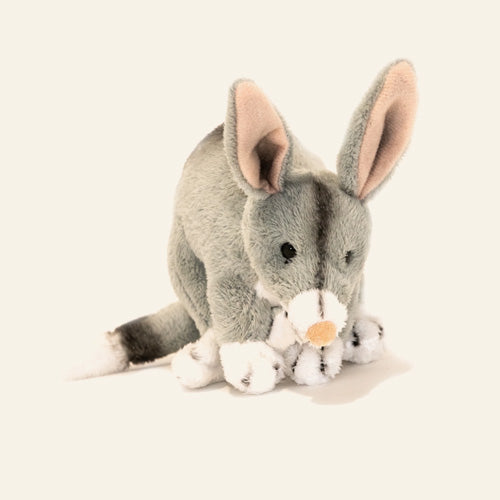
Species rarity also fuels repeat purchasing. A buyer who tracks down a well-made echidna is very likely to come back for a quokka, then a bilby. Species breadth doesn't just serve the first sale; it builds long-term loyalty by giving collectors a reason to keep returning.
7. Durability, Safety Standards, and Age Suitability
Beyond species selection, there is one more layer every buyer should check before purchasing: whether the plush is built to last and appropriate for its intended use.
Child safety compliance matters. Realistic plush intended for children should meet recognised toy safety standards. ASTM F963 governs toys sold in the US; check product listings for compliance information before buying for young children.
Collector-grade plush has different durability needs. Adults displaying realistic plush long-term should look for UV-resistant fabric colouring to prevent fading, reinforced seams that handle frequent repositioning, and stable base construction. These features rarely appear on child-focused products but matter significantly for display pieces.
Age labels are a starting point, not a fixed rule. A well-made koala plush can genuinely serve a toddler, a primary-school child learning about Australian wildlife, and an adult collector at different life stages. Realistic plush increasingly crosses these boundaries.
Washability extends product life considerably. For family households especially, surface-washable or machine-washable construction is worth checking before purchase. A plush that can be cleaned properly will last years longer.
Brand history is a credibility signal. Manufacturers with decades of production behind them have real-world data on how their products hold up. Brands established since 1948, like Bocchetta, bring that track record to every piece.
Who Actually Buys Realistic Plush Animals in 2026?
So who's actually picking up a realistic plush animal these days? The answer might surprise you.
The buyer profile has expanded well beyond parents shopping for toddlers. Adult collectors, wildlife enthusiasts, interior decorators, therapists, and content creators are all active segments of this market now. Adult plush ownership is increasingly normalised, driven by the documented shift toward plush as an emotional comfort and well-being object, particularly among the 12+ age segment. Holding something soft and lifelike simply feels good, and the market data confirms adults are acting on that.
Gift-givers make up a large secondary group. Realistic plush animals are a thoughtful, species-specific choice that communicates genuine care, particularly for animal lovers who have a favourite creature. A beautifully crafted lifelike sea turtle lands differently than a generic stuffed toy.
Influencers and content creators are an emerging segment too, drawn to high-detail realistic plush for lifestyle photography, unboxing content, and brand collaboration opportunities. The more photogenic the piece, the more valuable it is to this audience.
Finally, families with children aged 6 to 12 are a strong buyer segment in the plush market, as kids at this age gravitate toward accuracy and detail over cartoon-style designs.
Finding the Realistic Plush Animal That Is Worth Keeping
So now you know what separates a plush animal worth keeping from one that ends up forgotten in a cupboard. The seven markers covered in this guide, species accuracy, facial detailing, fur texture, poseability, sustainable materials, species uniqueness, and safety and durability standards, work together as a checklist. A plush that ticks all seven holds its appeal for years rather than weeks.

Australian wildlife plush is a genuinely strong entry point for anyone new to the realistic plush category. Koalas, kangaroos, wombats, and quokkas are globally recognised but rarely reproduced with real anatomical care outside Australia. Finding a well-made version takes more than a quick online search, which is exactly why they're worth seeking out.
Bocchetta's span of Australian, sea, farm, and wild animal collections, built over more than 75 years of design heritage, makes it a natural starting point.
The simplest action you can take right now: pick one animal species you genuinely love, find a brand with demonstrated heritage and species-specific expertise, and invest in a piece built to last. A realistic plush animal chosen this way becomes something you actually keep.
Conclusion
Those seven markers work as a system, a plush that meets all of them earns its place long-term.
The market has matured. Buyers in 2026 expect more, and the best makers are delivering it. Australian wildlife plush sits at the heart of this shift, offering species that are globally loved but rarely crafted with true anatomical respect.
Start with a species that genuinely resonates with you and a brand with proven heritage, and buy once with confidence.